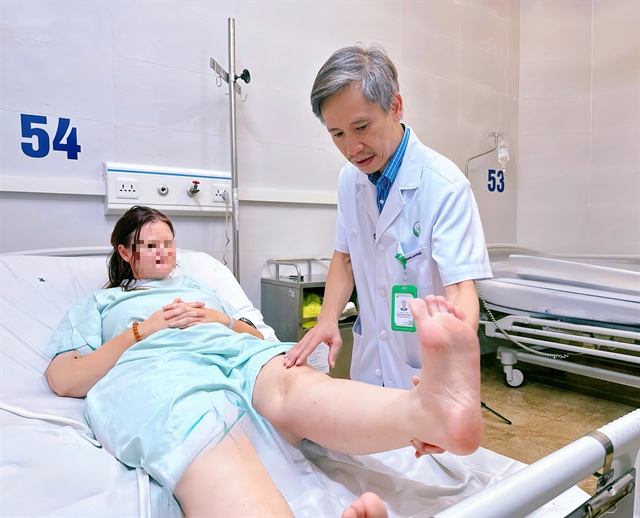
A New Zealand woman who faced a four-year public waiting list and a near-NZ$40,000 private surgery bill at home chose instead to fly to Việt Nam for a total hip replacement – and was walking independently within days.
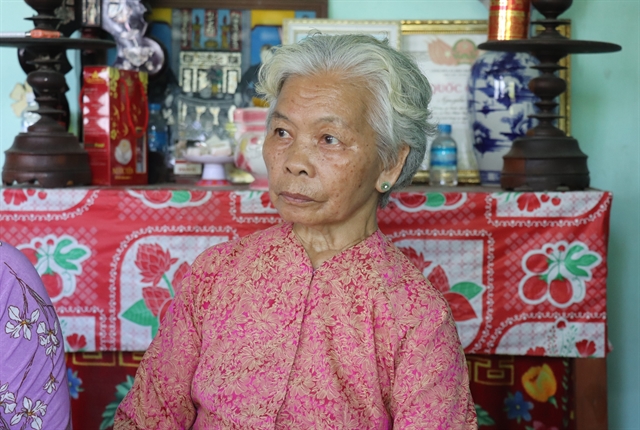
One woman has spent her youth – and nearly her entire life – waiting for the soldier who left one spring.
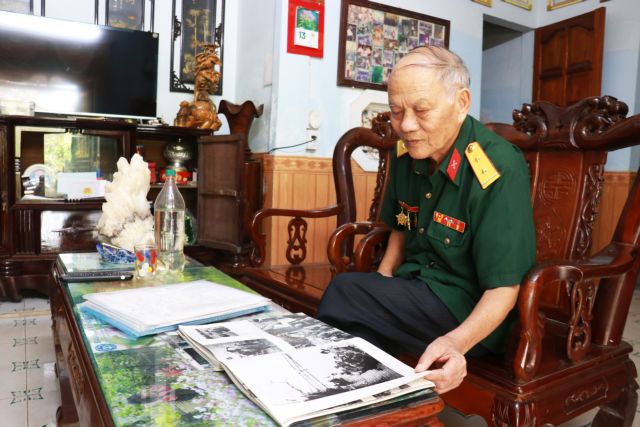
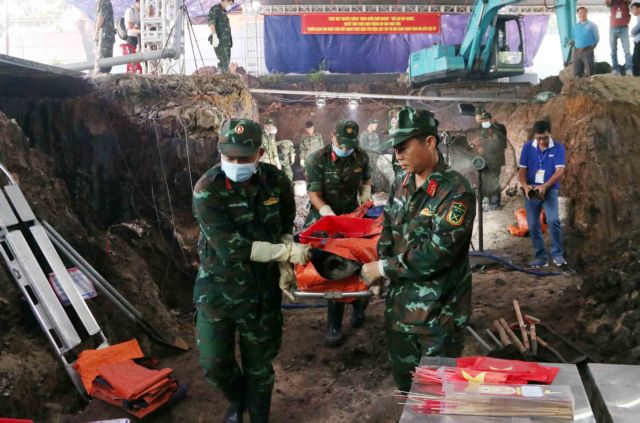
Armed with little more than his memories of the fierce 1972 Battle of Quảng Trị Citadel and an unwavering sense of duty, 73-year-old veteran Nguyễn Thanh Bình has helped recover the remains of more than 100 fallen soldiers and reconnect nearly 2,500 families with long-lost information about their loved ones.
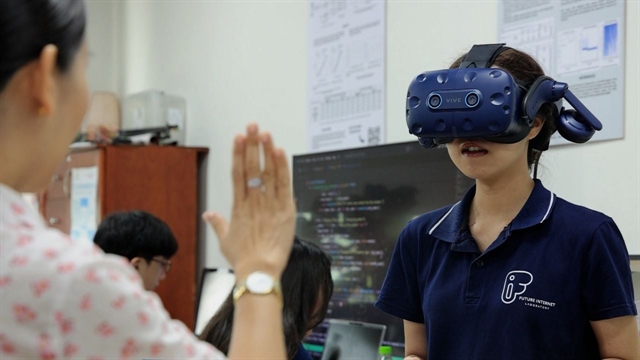
What makes virtual reality truly immersive? At Hà Nội University of Science and Technology, researchers are developing technologies that make extended reality faster, smarter and more accessible - supporting Việt Nam's national strategy to advance science, innovation and digital transformation.
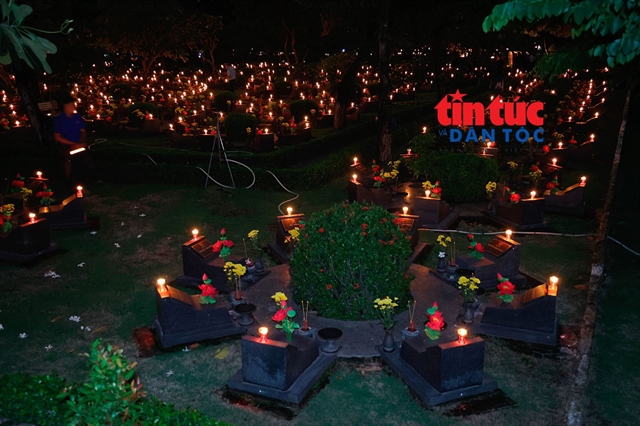
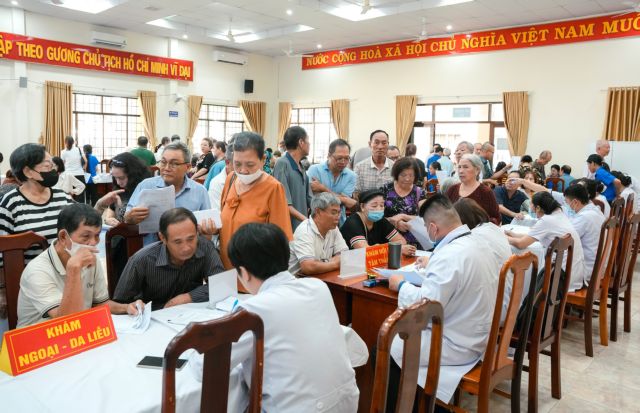
Hospitals in HCM City are providing free health checkups, medicines and counselling services for policy beneficiary families, people who rendered service to the nation and residents in former revolutionary bases to commemorate the 79th anniversary of War Invalids and Martyrs' Day (July 27, 1947–2026).
Supported by Chinese search and rescue teams, which deployed vessels and helicopters, as well as nearby ships in the area, Việt Nam launched a large-scale search and rescue operation. By Sunday noon, 45 people had been rescued alive.
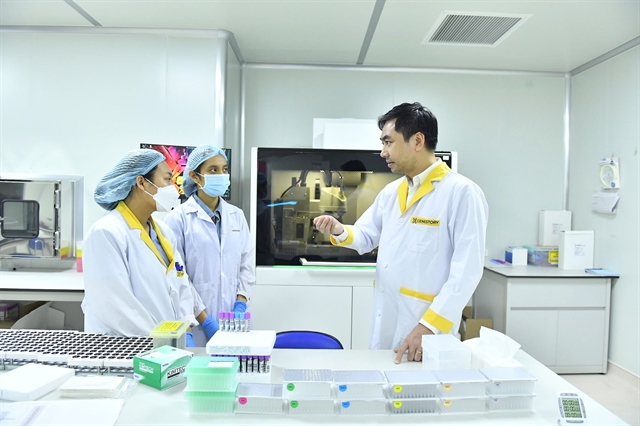
The work has just been published in Nature Communications – one of the world’s leading prestigious scientific journals – opening up an important foundation for genetics research, precision medicine and preventive medicine in Việt Nam.
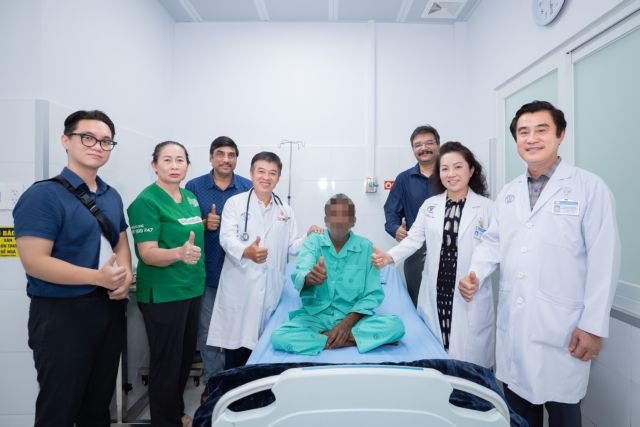
The Indian tourist who suffered the most severe injuries in the deadly Phú Quốc boat capsizing incident has made a remarkable recovery after nearly two weeks of intensive treatment and is fit to return home with medical supervision.
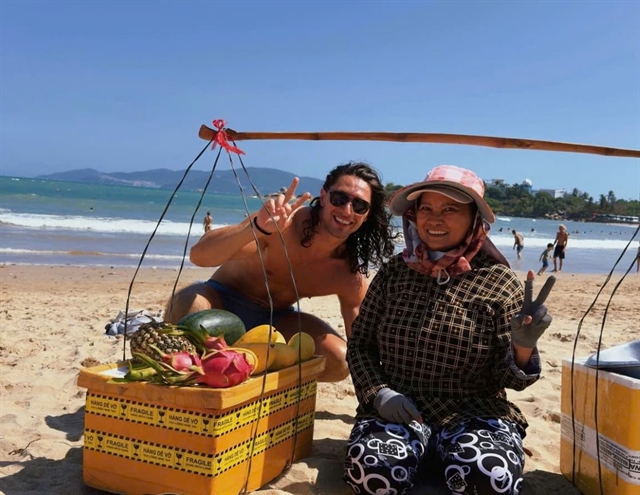
The vendor was found selling in a prohibited area and allegedly soliciting tourists.
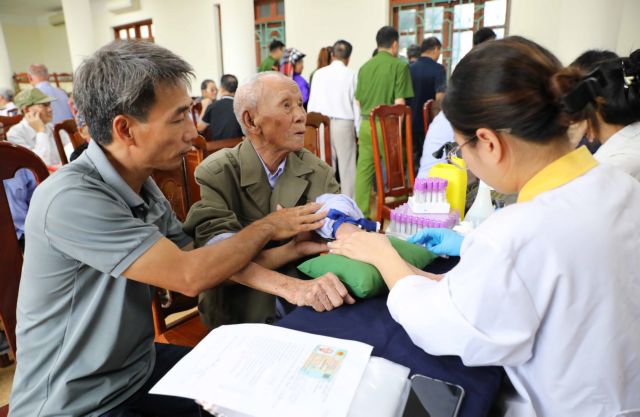
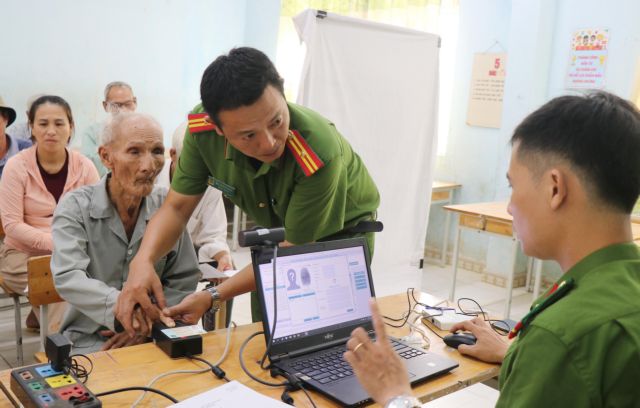
Hundreds of relatives of fallen martyrs have their DNA taken in Khánh Hòa and Điện Biên provinces on Saturday.
The fake university degrees and diplomas were sold for VNĐ500,000-700,000 (US$19-26.6) each, while each other fake document yielded a profit of about VNĐ200,000 ($7.6).
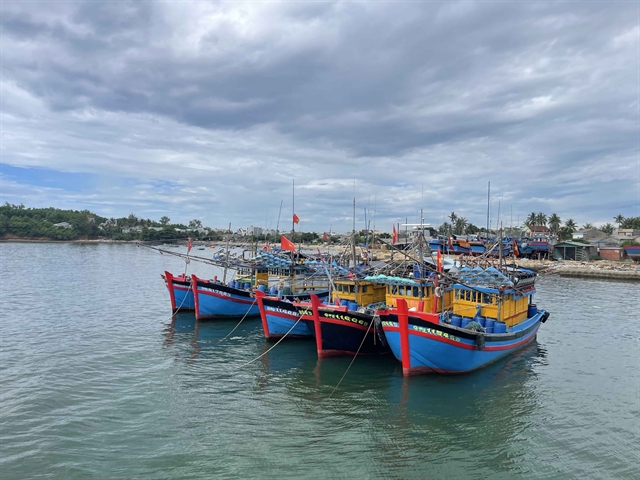
The vessel lost its tracking signal at around 8am Friday and sank after encountering a strong storm while returning to the Trường Sa (Spratly) islands.
As farmers prepare for a new rice crop, terraced fields in Mường La Commune, Sơn La Province, are transformed into a striking landscape of cascading water and vibrant green seedlings, showcasing one of the Northwest's most iconic rural scenes.
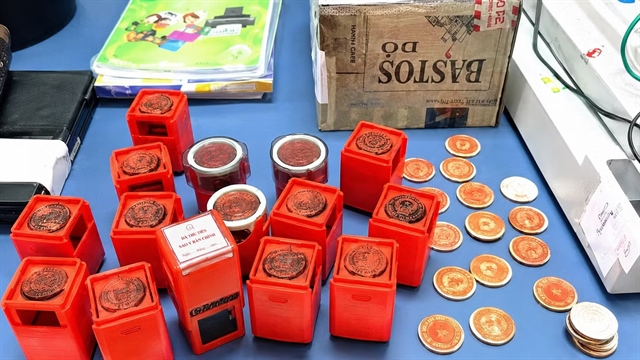
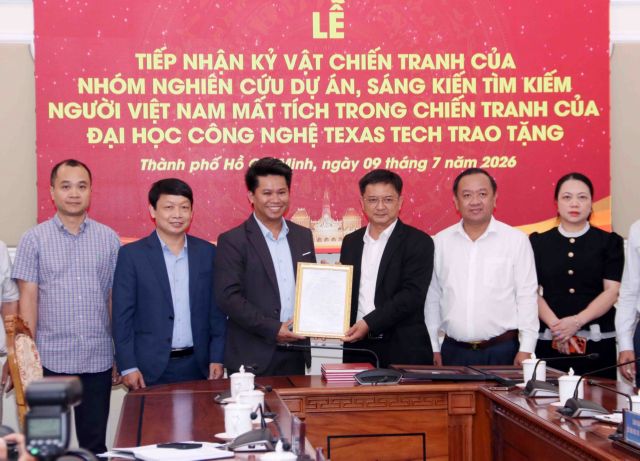
According to the Social Policy Department under the General Department of Politics of the Việt Nam People's Army, since 1993, foreign individuals and organisations have provided Việt Nam with around 800,000 pages of documents on the burial locations of Vietnamese soldiers, helping authorities locate and recover the remains of nearly 1,000 war martyrs.
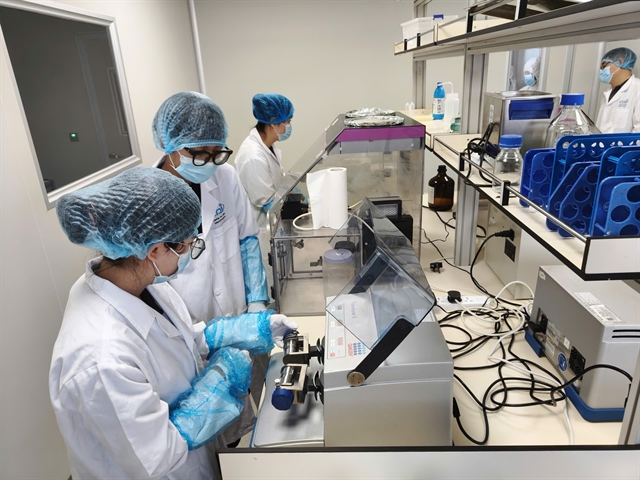
DNA offered a scientific solution, but for years technology struggled to unlock usable genetic information from decades-old remains.
Unlike previous efforts, which depended largely on wartime documents, eyewitness accounts and personal belongings, the Gene Bank offers something those methods cannot: a permanent genetic reference that can be matched with unidentified remains of fallen soldiers whenever new evidence becomes available.
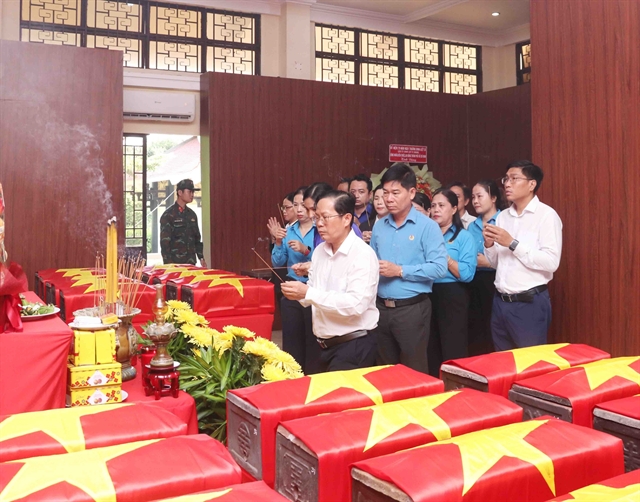
Four months into the 500-day campaign, teams have already recovered nearly 1,400 sets of remains, and new DNA science is bringing more soldiers' names back every week.
Fifty-eight years after the 1968 Tết Offensive and General Uprising, the search for and recovery of the remains of liberation fighters reportedly missed in action on the northern outskirts of HCM City is renewing hope for families who have spent decades waiting for news of their loved ones.