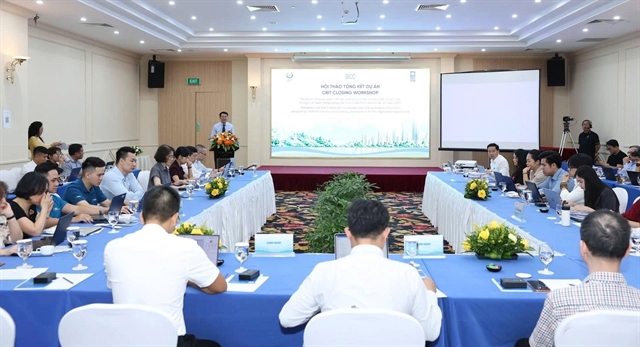
Funded by the Global Environment Facility (GEF) through the United Nations Development Programme (UNDP), the project ran from April 2022 to October 2026, with total resources of nearly US$3.77 million, including a GEF grant of nearly US$2 million.
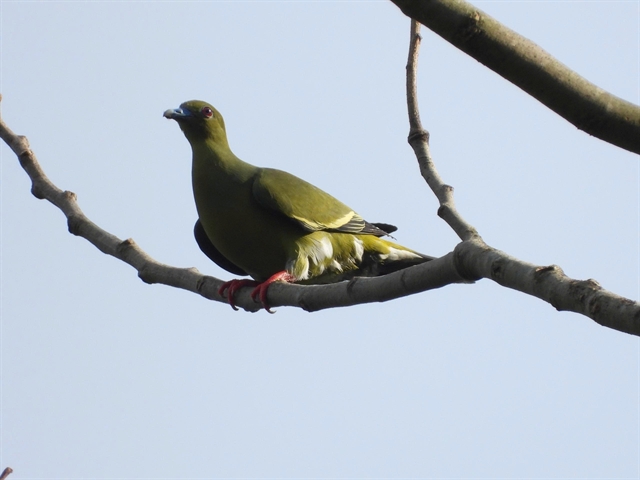
The survey documented 228 bird species from 55 families and 17 orders. Compared with a 2005 study, the latest survey added 35 species from 18 families and one order to the reserve’s bird checklist.
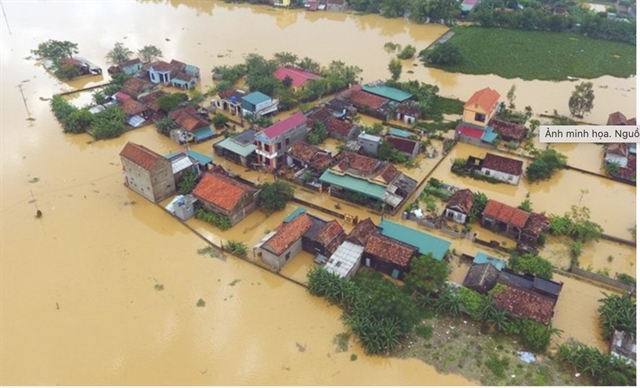
According to the scenarios, as global temperatures rise, super typhoons comparable in intensity to Typhoon Yagi (2024) are likely to occur more frequently.
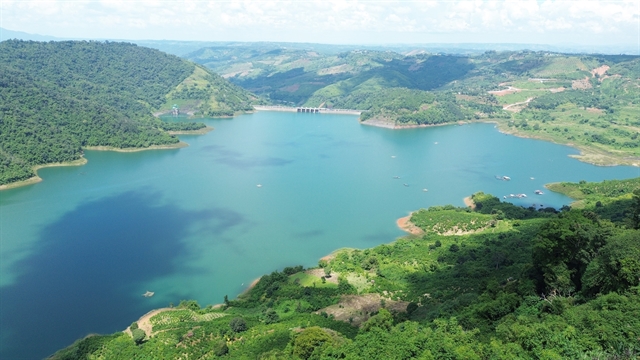
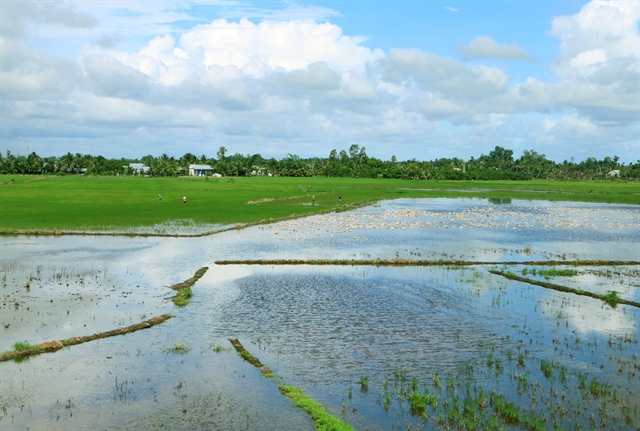
The shift is believed to be neccessary amid mounting pressure from climate change, drought, saltwater intrusion and rising demand.
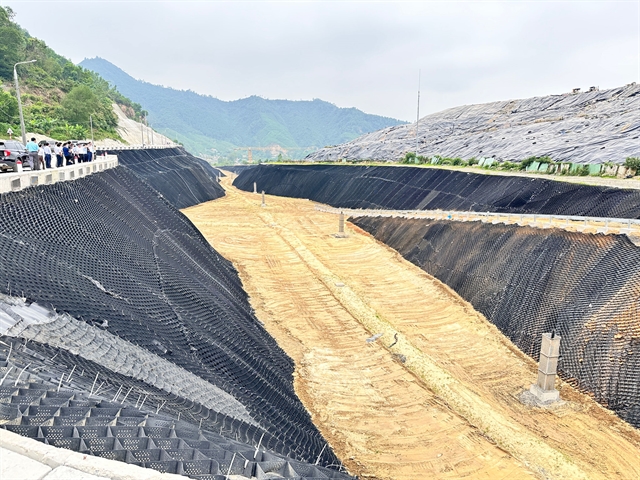
The central tourism hub has green-lit a project tasked with developing a groundbreaking waste-to-energy project on over 17 hectares, with an investment of VNĐ2.18 trillion (US$87.2 million) in 2026-27.
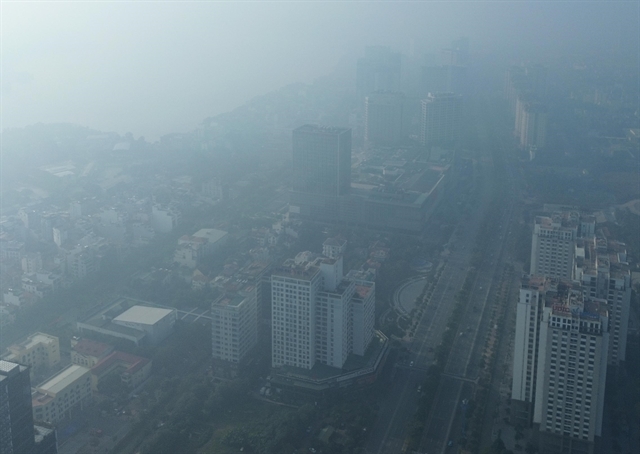
One of the notable solutions being implemented by Hà Nội is the pilot low-emission zone in Hoàn Kiếm Ward from July 1. After about two months of realisation, residents and businesses have generally agreed with this policy.
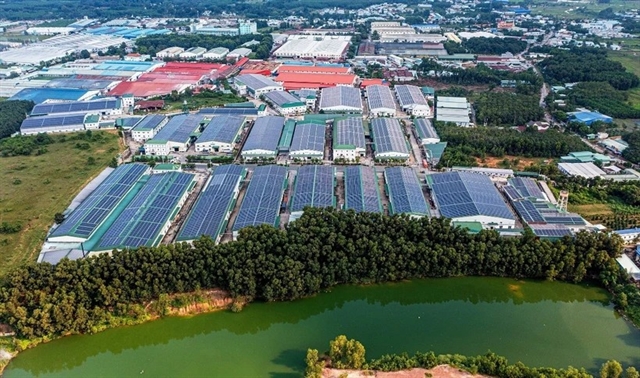
HCM City is developing its own criteria for eco-industrial parks and clusters, with 10 existing industrial parks and three industrial clusters set to be put on a green transition roadmap through 2045.
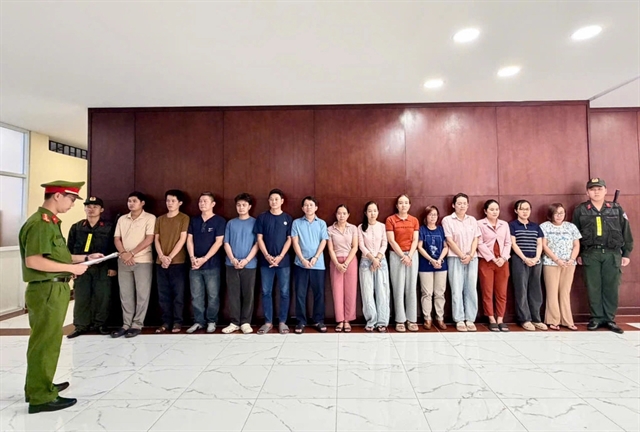
Police in HCM City have detained 21 people, including directors of environmental monitoring companies, for allegedly falsifying environmental test results.
Cần Thơ will strengthen the management and protection of its water resources as climate change, pollution, and rising demand put growing pressure on supply.
HCM City is resolving administrative bottlenecks for waste-to-energy projects while refining its at-source waste sorting scheme to reduce landfill reliance and treat 90 per cent of its domestic waste using advanced technologies by 2030.
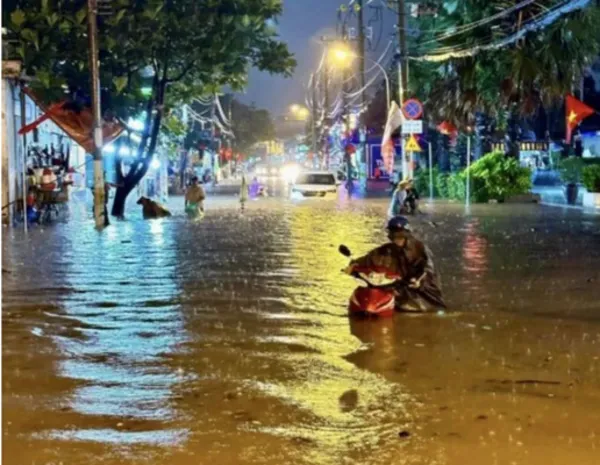
HCM City will deploy mobile pumps at severely flooded areas and step up traffic control as the city prepares for heavy rain and high tides during the ongoing rainy season.
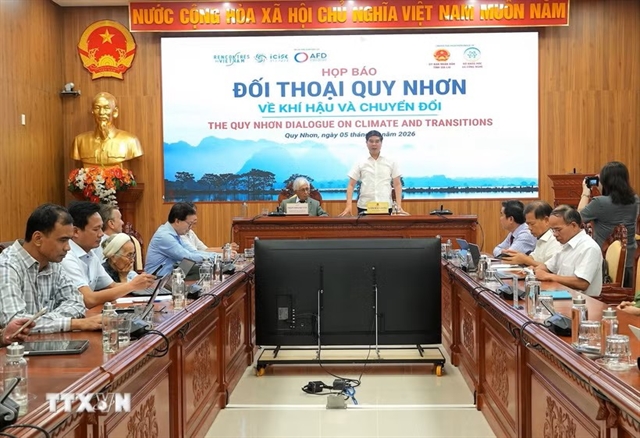
The first Quy Nhơn Dialogue on Climate and Transition on October 10-11 at the International Centre for Interdisciplinary Science and Education (ICISE) in Gia Lai Province will welcome 100 delegates from Việt Nam, Southeast Asia and around the world.
Circular and ‘green’ economy is seen as one of the most sustainable solutions in boosting the central and Central Highlands region a strategic power house of economy, biodiversity conservation in Việt Nam in in 2030-45.
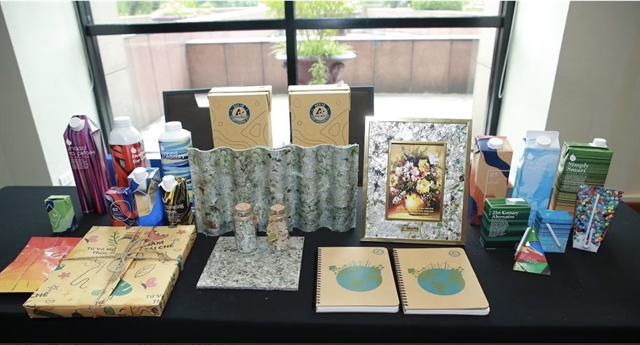
Although materials in paper cartons can be reused after recycling, the treatment of the packaging needs proper technology.
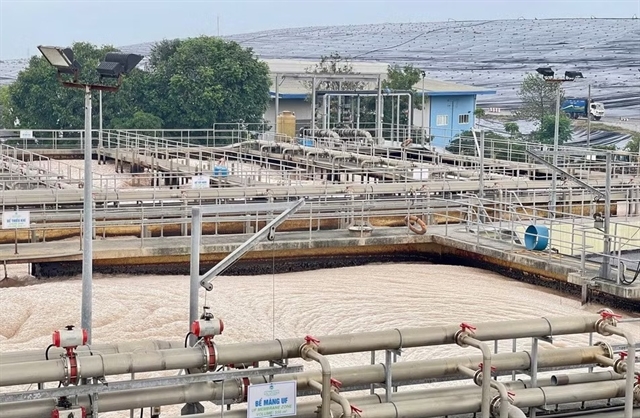
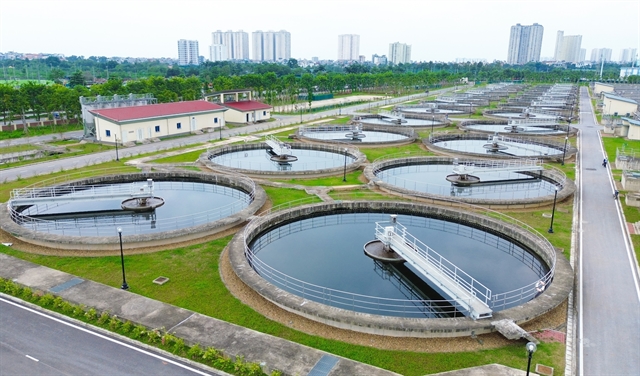
Việt Nam has built 83 wastewater plants, yet only 18 per cent of urban wastewater is collected and treated. Experts say the missing link is the pipes that should feed them.
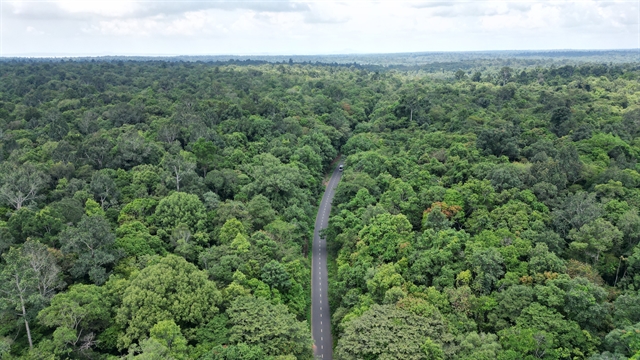
A major road project in Đồng Nai City will include seven crossing points for wildlife, both underpasses and overpasses, to protect animal migration routes through the Đồng Nai Nature-Culture Reserve.
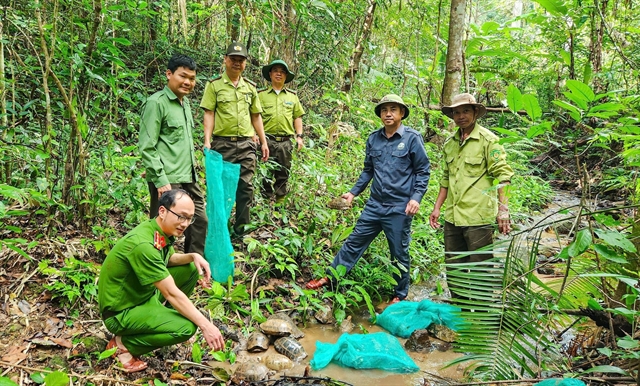
Many of the wild animals were in poor health when received by the national park, with some seriously injured or severely weakened, while others had lost natural survival instincts.
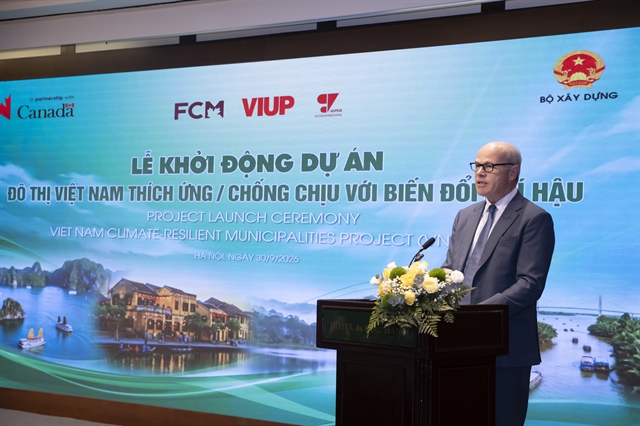
The Viet Nam Climate Resilient Municipalities (VNCRM) project will facilitate the exchange of practical experience and develop locally relevant approaches to shared challenges, including climate-resilient infrastructure, asset management and integrated solid waste management, with a focus on reducing plastic waste.