The two countries coordinate closely at multilateral forums, including the United Nations (UN), Asia-Pacific Economic Cooperation (APEC), ASEAN and the Francophonie.
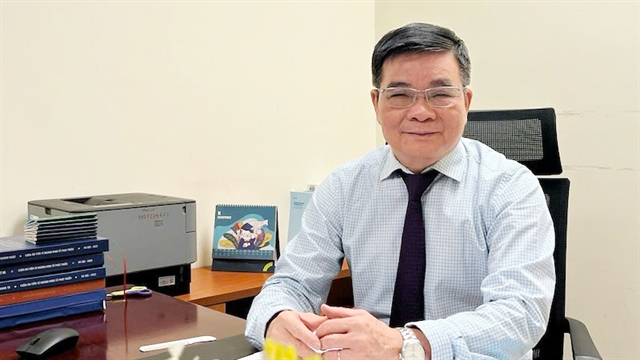
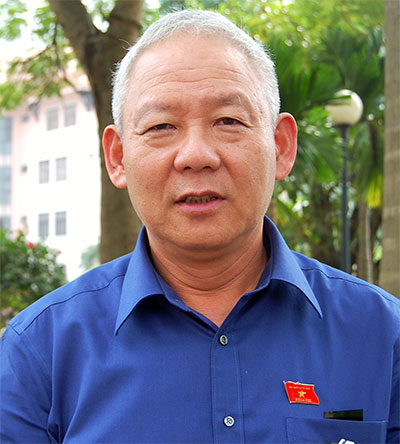
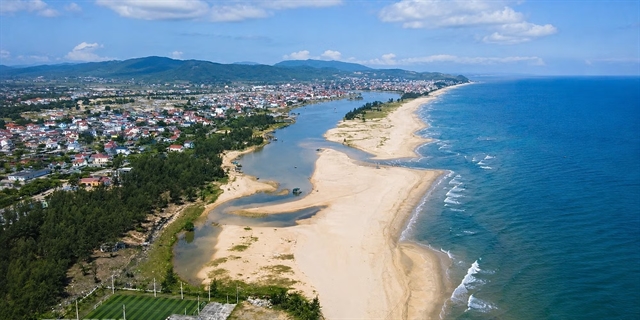
Lê Hồng Vinh, deputy secretary of the Provincial Communist Party Committee and chairman of the Quảng Trị People's Committee, talks about the province's vision to 2045.
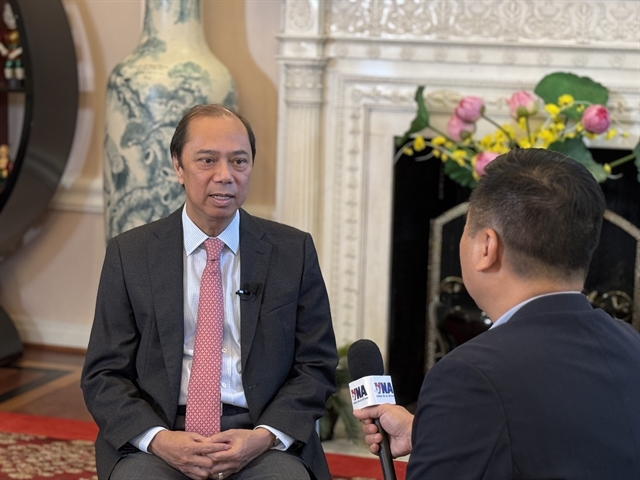
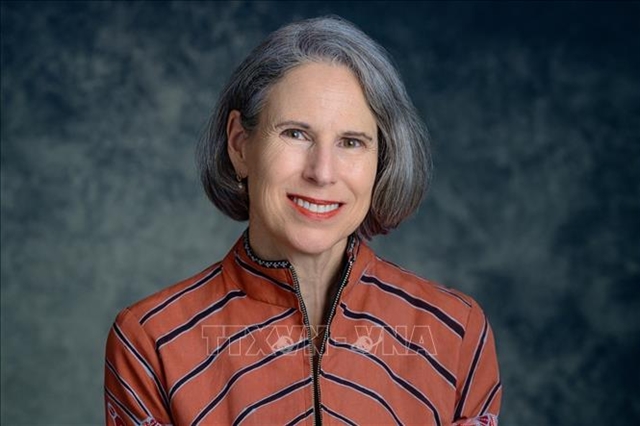
Professor Piper Campbell, chair of the Department of Foreign Policy and Global Security at American University’s School of International Service speaks to a Vietnam News Agency correspondent in Washington, DC ahead of top leader Tô Lâm's working trip to the US on September 20.
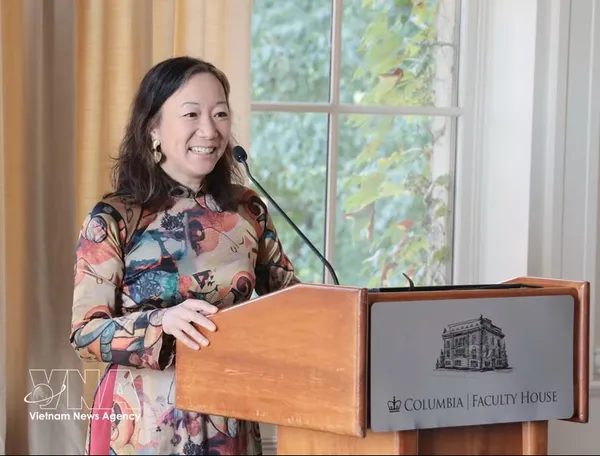
Professor Nguyễn Thị Liên Hằng from Columbia University speaks to Vietnam News Agency (VNA) correspondents in New York about the significance of the upcoming working trip of Party General Secretary and President Tô Lâm to the US, which will start on September 20.
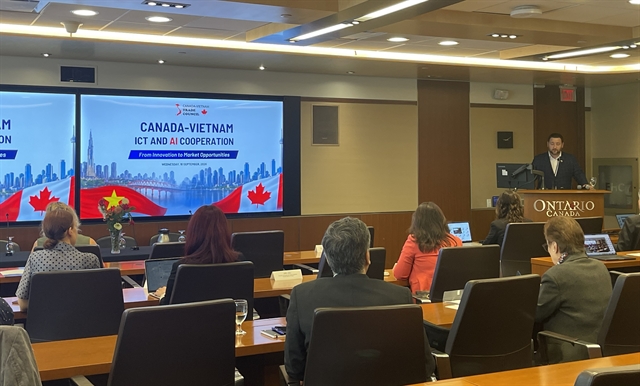
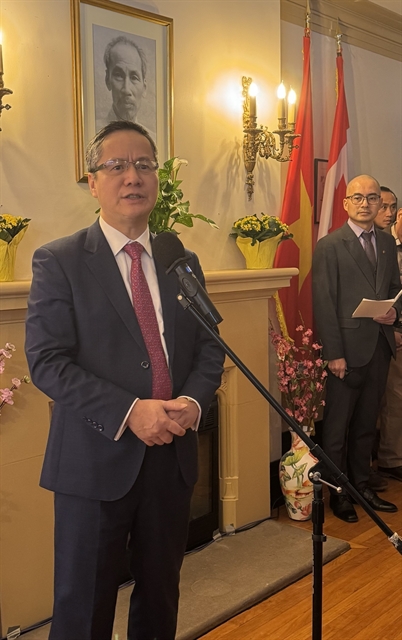
Party General Secretary and State President Tô Lâm is set to attend the High-level General Debate of the 81st session of the United Nations General Assembly (UNGA 81) in the US and pay a State visit to Canada during September 20-25.
Two-way trade reached US$38.6 billion in the first eight months of this year, up more than 15 per cent year on year. If the current growth rate is maintained, bilateral trade for the full year could approach US$60 billion.
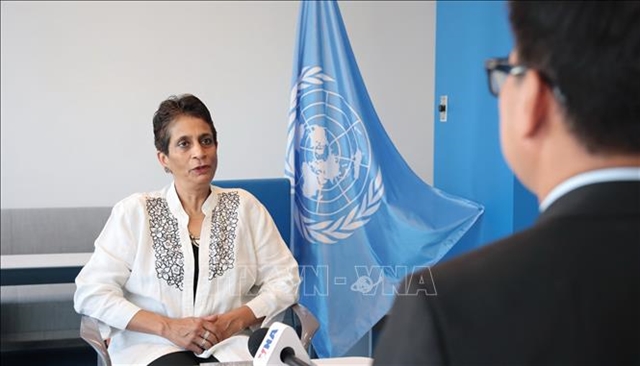
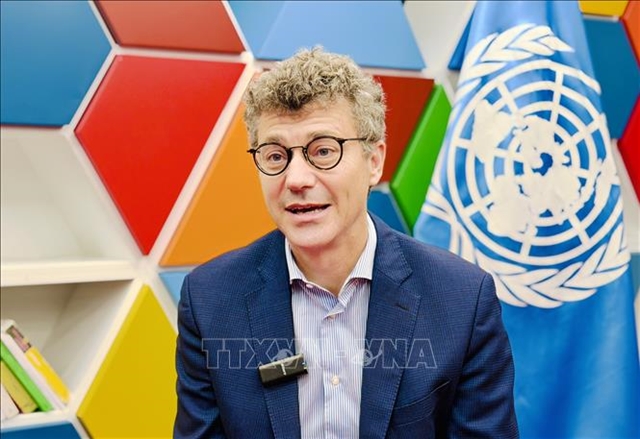
Today, we see Việt Nam increasingly moving from being a beneficiary of international cooperation to becoming an active contributor to global solutions – through UN peacekeeping, its engagement in multilateral institutions, its commitments on sustainable development, climate action and AI governance, as well as its willingness to contribute to dialogue and consensus-building.
Esports athletes are determined to win three medals this year, which marks their second time at the Asian Games (ASIAD).
While Resolution 36-NQ/TW laid the groundwork for the sustainable development of the marine economy, Resolution 20-NQ/TW advances this foundation in a new context.
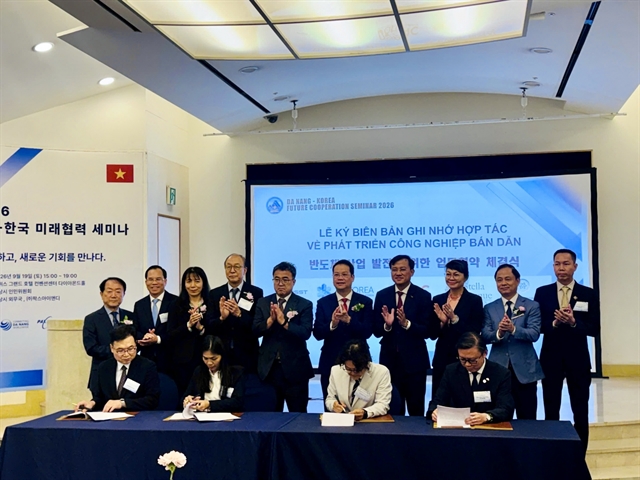
The two sides can expand cooperation in the fields of semiconductors, artificial intelligence (AI), data centres, advanced digital services and human resource training – these areas are closely aligned with Việt Nam's goal of having the digital economy account for 30 per cent of GDP by 2030.
The most important imprint, in my view, is the convergence of high-level political trust and the close bonds between the two peoples.
China is currently Việt Nam’s largest agricultural export market, while Việt Nam is China’s largest agricultural trading partner in ASEAN.
Professor Ngô Thắng Lợi, senior lecturer at the National Economics University, speaks with Việt Nam News reporter Khánh Dương about Việt Nam's economic achievements over 40 years of Đổi mới (Renewal) and future development orientations.
Forty years after Đổi Mới, former National Assembly official Trần Văn explains why Việt Nam's growth model must shift from scale to depth and the bottlenecks still standing in the way.
Dr Phạm Đình Trực, member of Academic Board and Learning Designer at The Open Polytechnic of New Zealand, said that the high-value niches that will help Việt Nam make use of its significant competitive advantages are innovation, education, regulations, collaborations, infrastructure and especially talent ecosystems.
AI is creating new opportunities for countries to develop world-class talent. Two international experts explain how Việt Nam can make the most of the opportunities ahead.
Marwah observed that Việt Nam can play a bridging role between BRICS and ASEAN, which already enjoys relatively high intra-bloc integration and considerable potential to expand trade with BRICS. Việt Nam’s experience within ASEAN could help BRICS address tariff and non-tariff barriers, delivering direct benefits to businesses and consumers.
Professor Gulshan Sachdeva of Jawaharlal Nehru University said Việt Nam could be among the leading candidates considered for BRICS membership in any future expansion. Its participation would give the grouping additional momentum and strengthen the role of an economy deeply integrated into Asian and global markets.
.jpg)