

Politics & Law
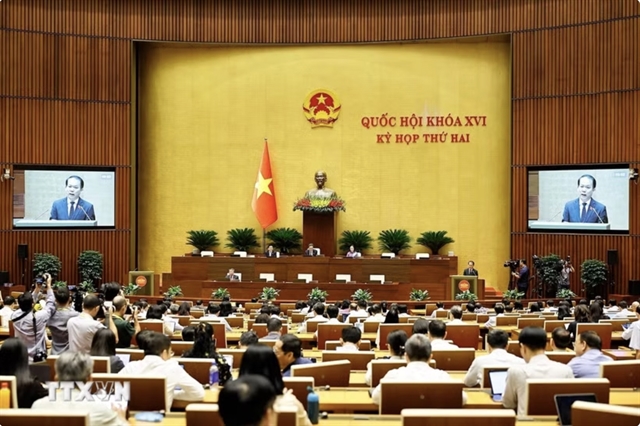
NA discusses removal of time-limited suspension of operations for certain corporate offences
The draft replaces the mechanism for determining penalties for individuals committing crimes on behalf of commercial legal entities based on the proportion applicable to individuals acting independently.
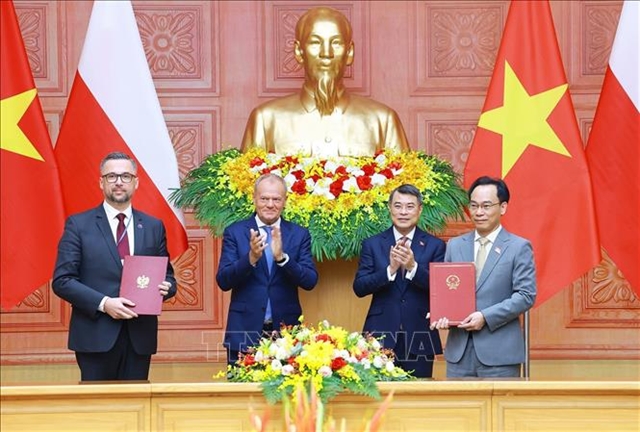
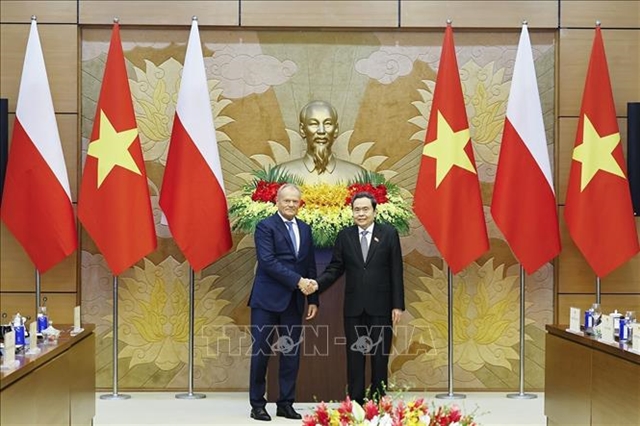
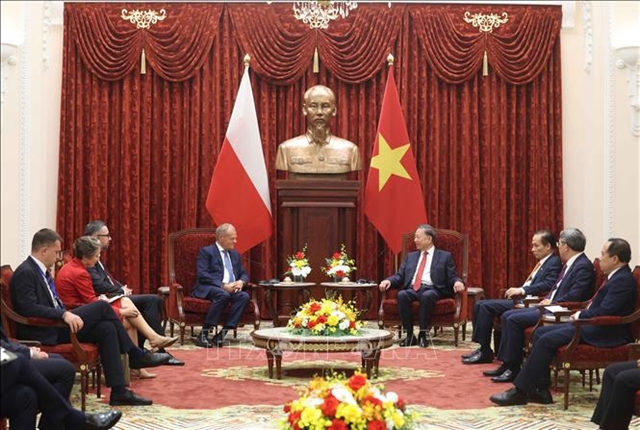
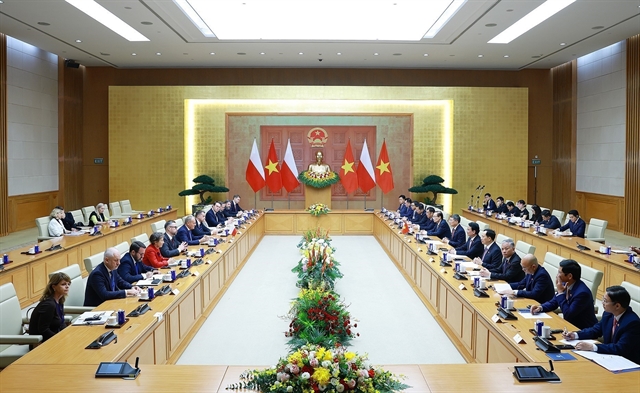
Strategic partnership with Poland to deepen Việt Nam’s ties with key European partners: deputy foreign minister
Great National Unity Day in Europe: Youth build stronger, more united community
Mozambique considers Việt Nam a leading strategic partner in agricultural cooperation
Draft laws further decentralise explosives management, fire prevention and firefighting procedures
Sci-Tech
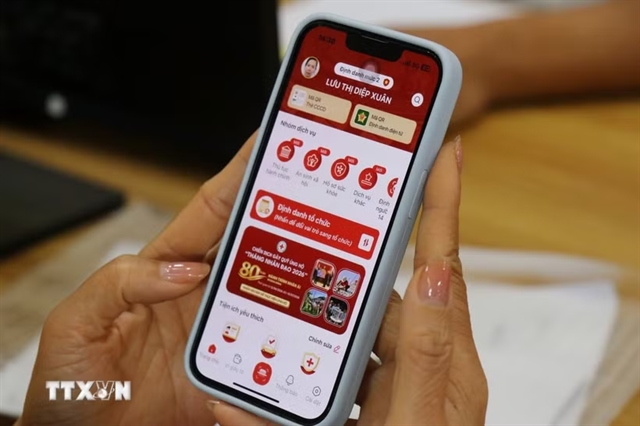
Việt Nam-Singapore digital ID link: a test for ASEAN interoperability
From Singapore’s perspective, connecting VNeID with Singpass could lay the foundation for a bilateral digital corridor, opening up greater opportunities for cooperation in trade, investment, services, tourism and finance.
Economy
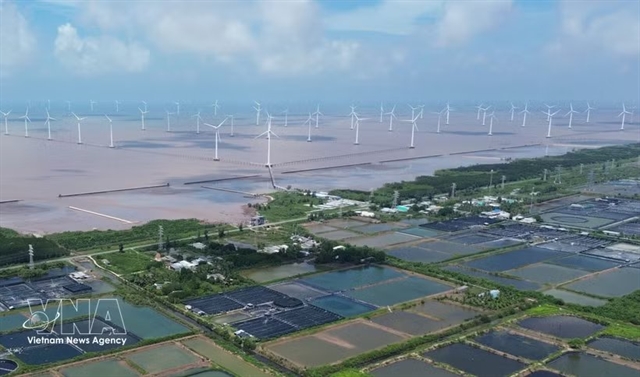
Việt Nam, Norway eye huge cooperation potential in offshore wind power
The goal of Norwegian companies is not only to seek business cooperation opportunities, but also to accompany Việt Nam in developing a safe, efficient and sustainable offshore wind industry.
Multimedia


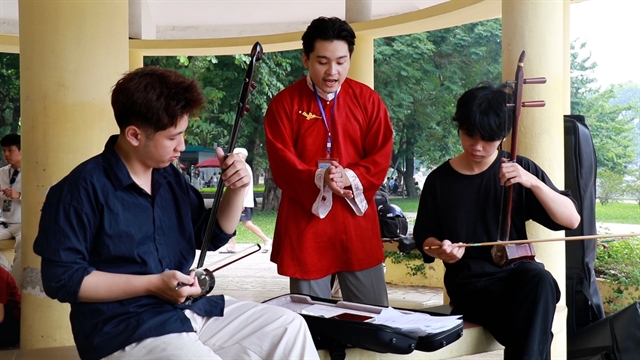

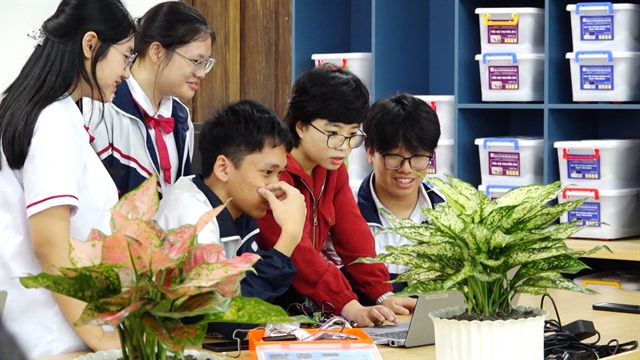
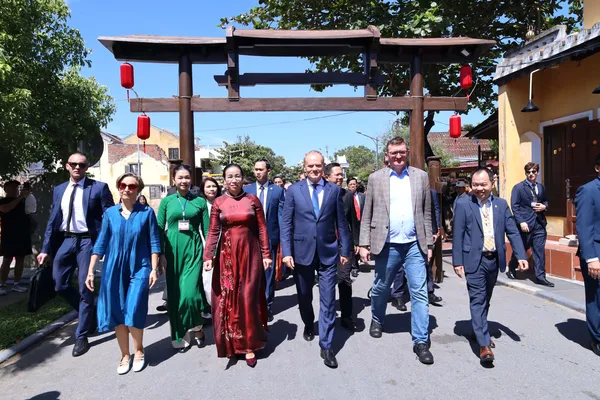
Polish Prime Minister Donald Tusk visits Hội An Ancient Town
Polish Prime Minister Donald Tusk visits Hội An Ancient Town

Thiên Định Palace’s decoration – the artistic highlight of King Khải Định’s Tomb
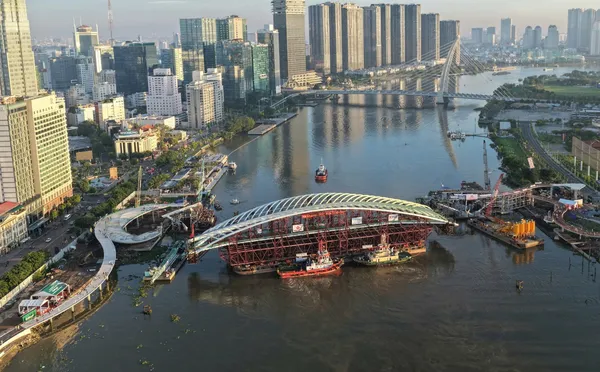
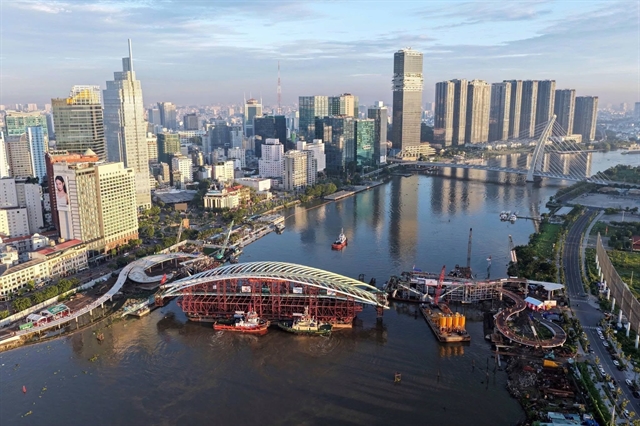
Main steel arch span of HCM City’s $39.5m pedestrian bridge installed
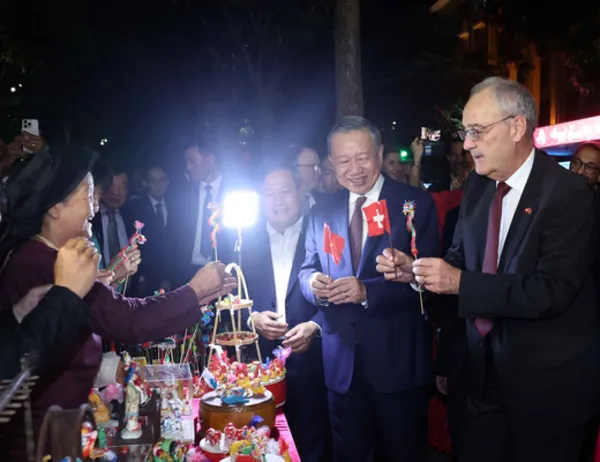
Swiss President explores Hoàn Kiếm Lake with Vietnamese top leader
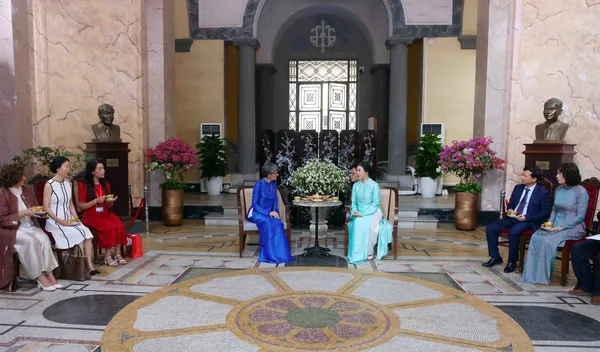
Spouses of Vietnamese, Swiss leaders visit Hanoi University of Pharmacy
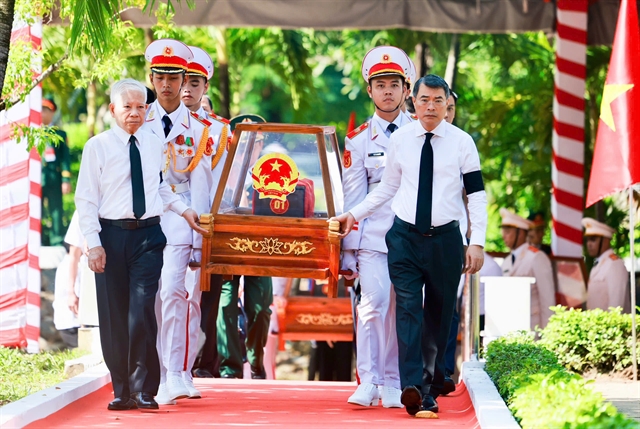
PM attends memorial service for 731 fallen soldiers in Hồ Chí Minh City
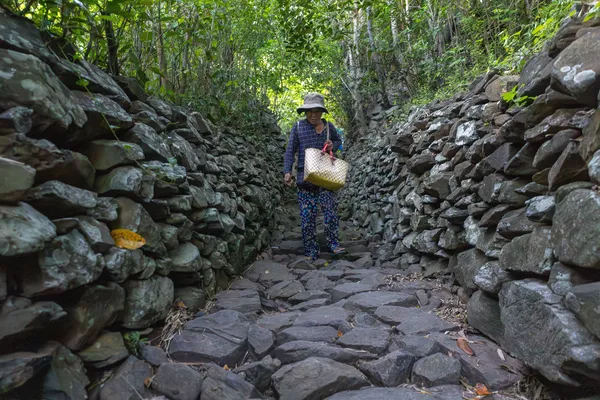
Cổ Thạch Hill and its ancient seaside stone path

Technology turns culture into a growth driver for Việt Nam

Hà Nội celebrates Liberation Day with spectacular fireworks

Hoàn Kiếm Lake abuzz as capital marks 72nd Liberation Day anniversary
.jpg)
LHà Nội changes mindset in attracting high-quality capital
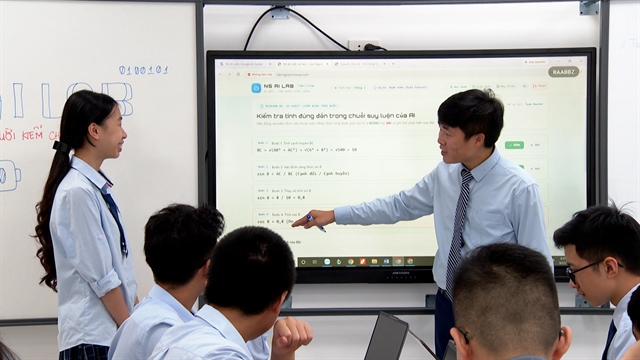
LEducation in the age of AI: ensuring people remain in control
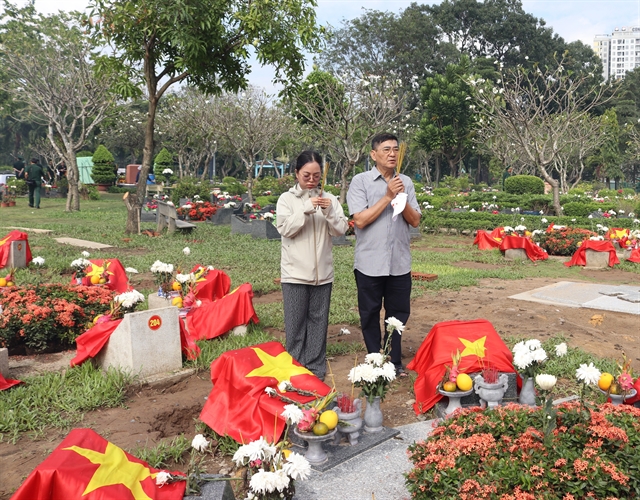
LIncense for the fallen: Visitors honour fallen soldiers at the HCM City Martyrs’ Cemetery
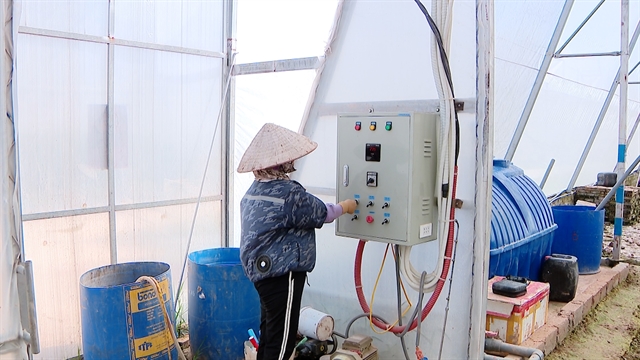
LIsraeli agricultural know-how takes root in Việt Nam
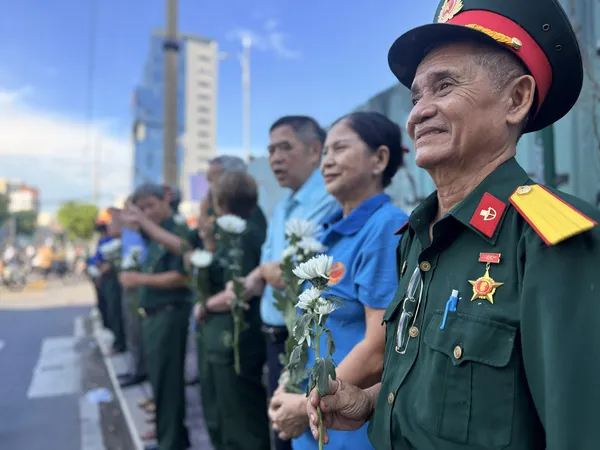
LHCM City residents pay tribute to fallen soldiers
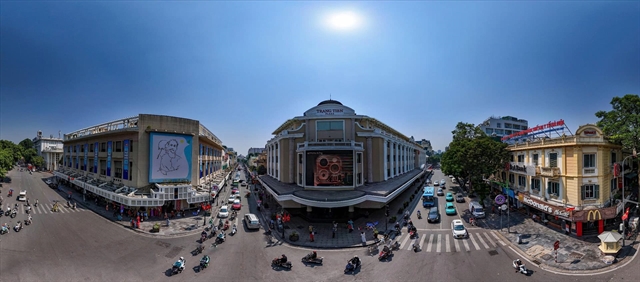
LLooking back to look forward for Hà Nội
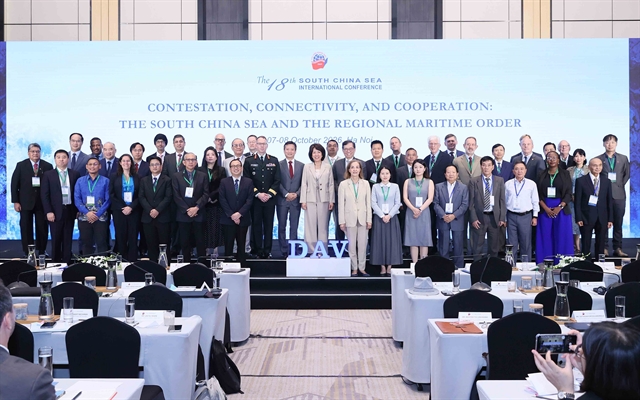
LSouth China Sea: Communication, transparency key to preventing miscalculation, crisis

LBehind the tuồng curtain
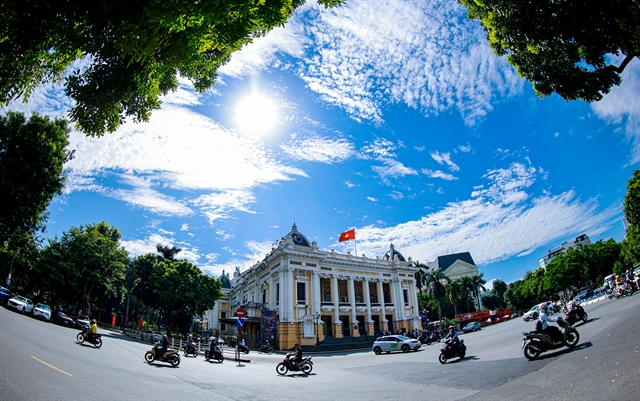
LFor today, tomorrow and for generations to come
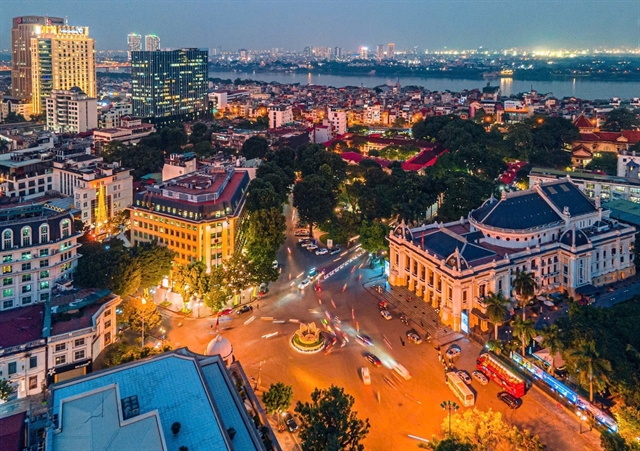
LHà Nội’s Q3 economic growth hits 10.02 per cent, first double-digit rise this year

Society
Life & Style

A turning point for Việt Nam's concert era
A new generation of concertgoers is willing to pay for high-quality live music. The challenge now is to turn sold-out shows into a sustainable industry through a stronger ecosystem and smarter investment.
Sports
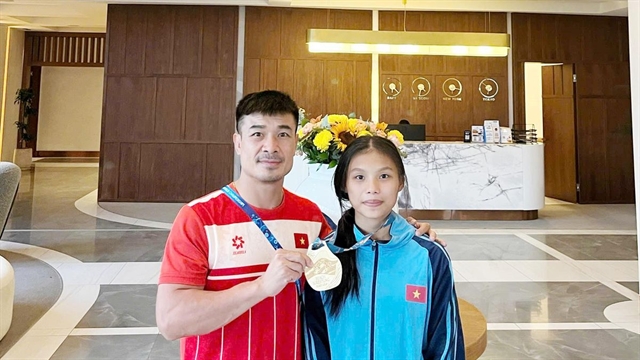
Ten Vietnamese talents to compete at Youth Olympic Games
They will be among the 2,700 young athletes (aged 15-17) from over 200 National Olympic Committees, including a Youth Refugee Olympic, and take part in 25 sports, including athletics, futsal, street skateboarding, and beach wrestling, in official competition.
Environment
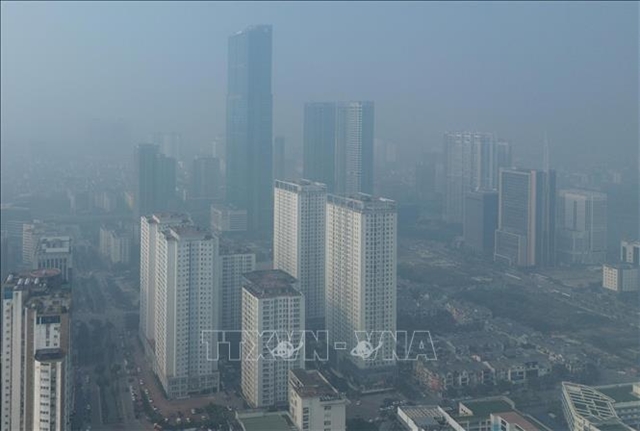
Source identification critical for air pollution reduction: experts
Environmental experts emphasised that effective air pollution control requires identifying and quantifying each specific source of emissions.
Opinion
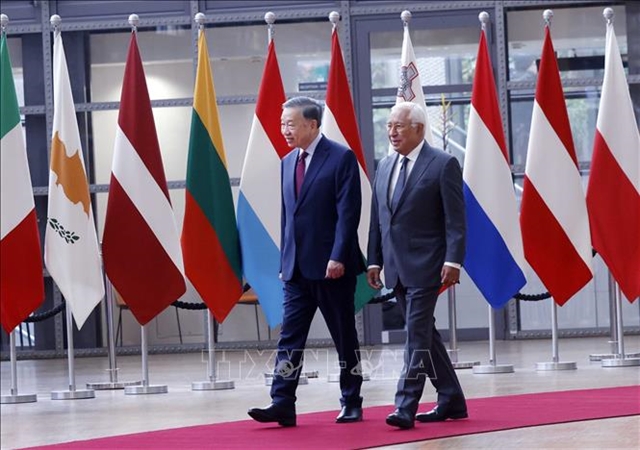
European media hail substantive Việt Nam-EU ties
International media focused on the joint press release, which pointed to concrete progress in several areas.
World
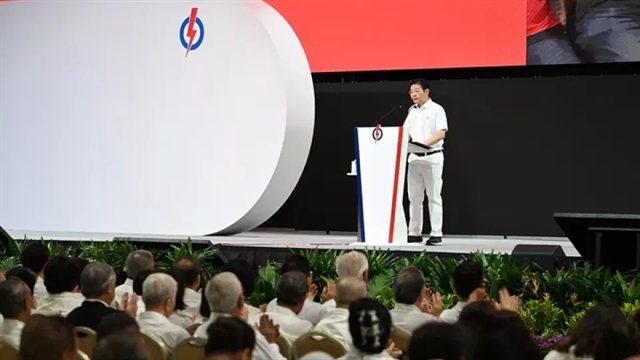
Singapore expects all parties to honour commitments, says PM Wong after Indonesia cuts gas exports
Indonesia said it would cut natural gas exports to Singapore by 31 billion British thermal units per day from October 24 – a move framed by Indonesian media as part of President Prabowo’s government efforts to prioritise domestic energy needs, amid growing concerns over energy security.





From golden population to golden workforce: The human side of Vietnam’s AI vision
1.
Strategic partnership with Poland to deepen Việt Nam’s ties with key European partners: deputy foreign minister
2.
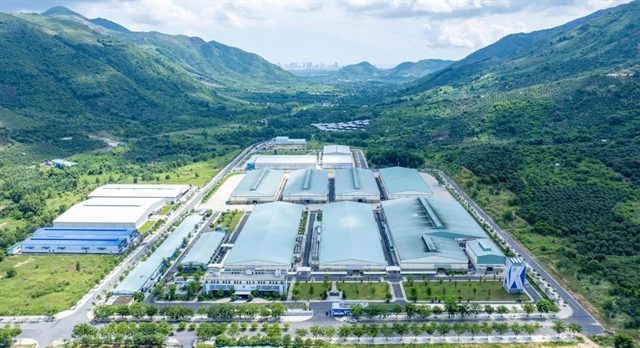
Khánh Hòa eyes $15.5 million hi-tech plant
3.
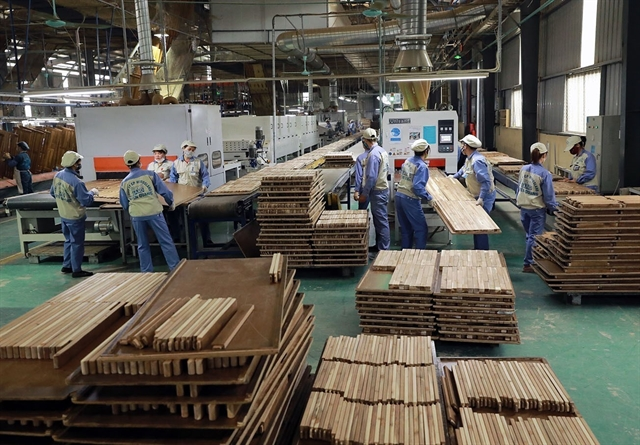
Seven Vietnamese export product groups at risk of trade remedy investigations
4.
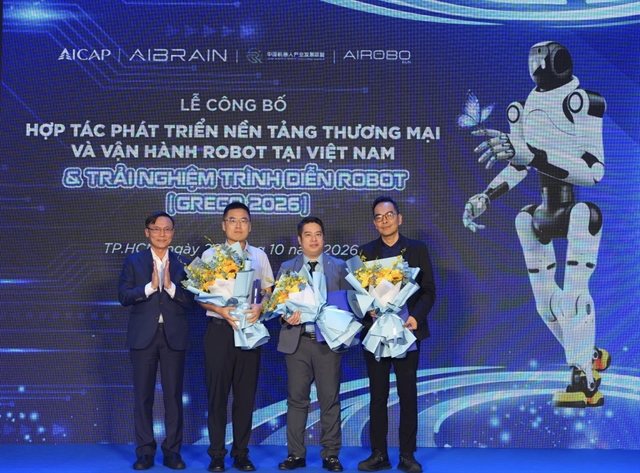
AICAP forges strategic partnerships to strengthen Việt Nam’s robotics industry
5.