The Comprehensive Strategic Partnership established in 2024 has generated strong enthusiasm but also placed greater requirements on both sides to translate the new framework into practical results. With the new vision in place, the priority is now to build the substance of the partnership through concrete cooperation.
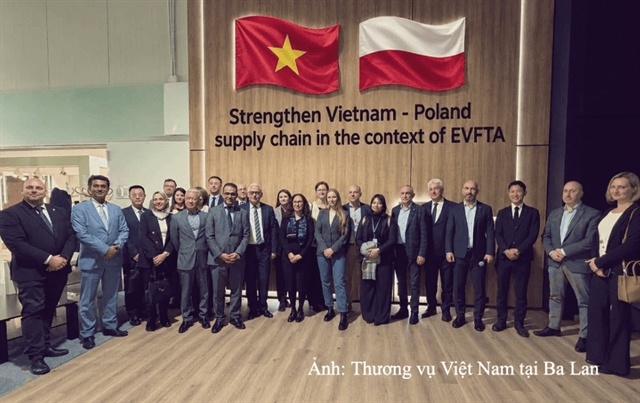
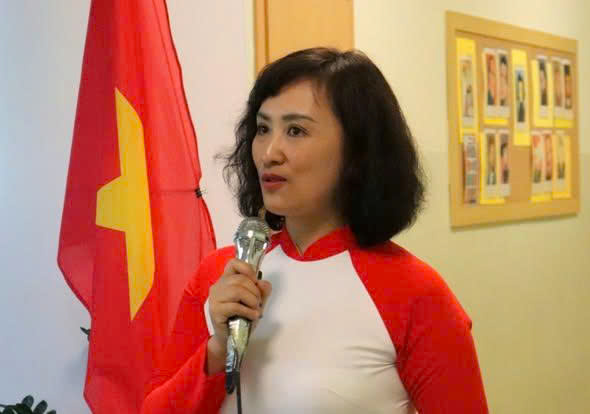
In an interview with Việt Nam News reporter Nguyễn Khánh Chi, Vice principal of Lạc Long Quân Vietnamese School in Poland, Đỗ Bích Thảo, said what is the most crucial step is for the State to create a "connectivity infrastructure" that is reliable and efficient enough for Vietnamese intellectuals and experts worldwide to identify the specific challenges that Việt Nam needs to solve.
As global agriculture shifts towards data-driven production, automation and artificial intelligence (AI), Russia's advances in digital farming are opening up new opportunities for cooperation with Việt Nam.
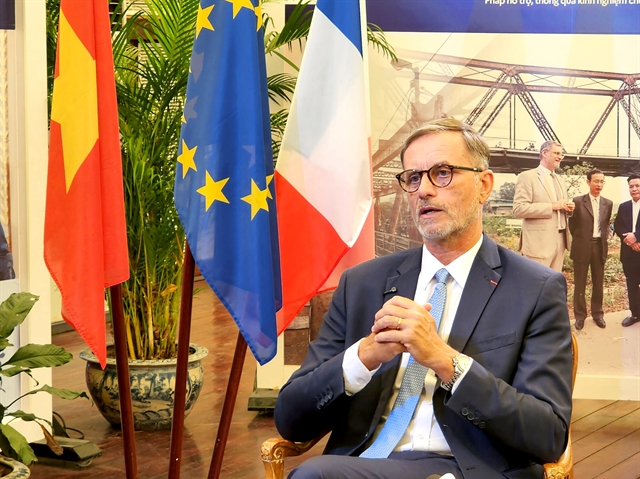
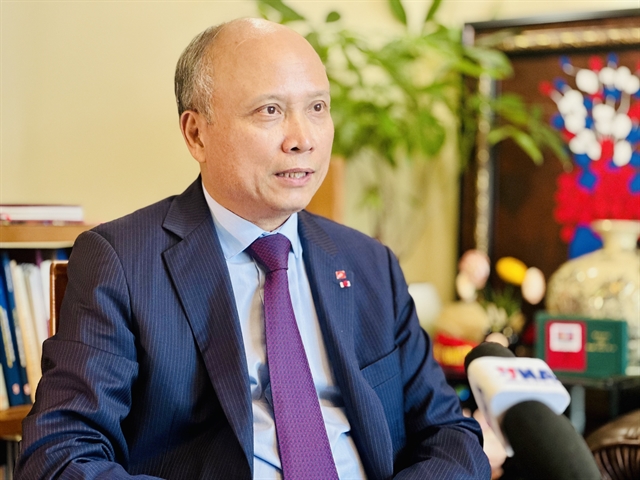
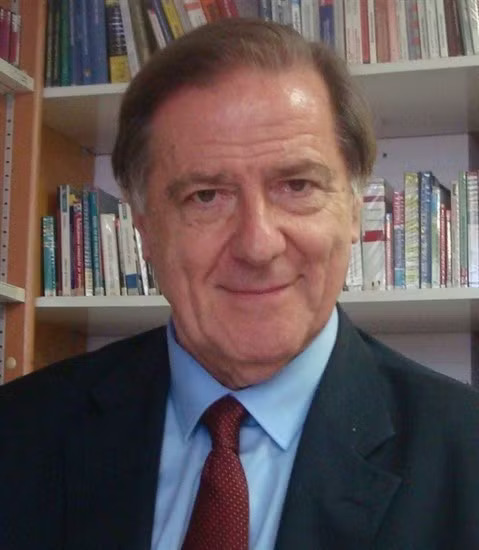
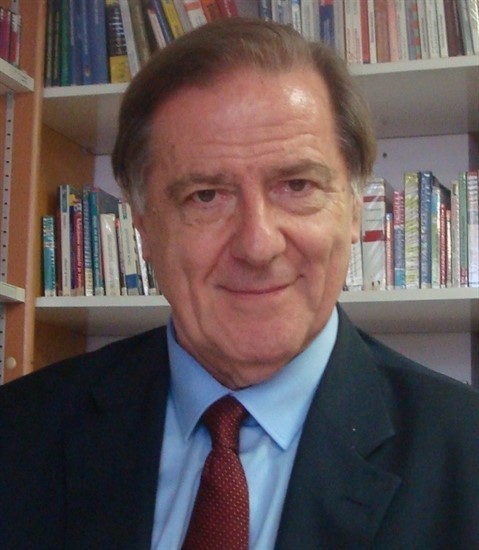
Former French Ambassador to Việt Nam Claude Blanchemaison said the two countries should continue to tap new drivers and pursue increasingly concrete and ambitious cooperation programmes, thereby making the Comprehensive Strategic Partnership more effective.
Việt Nam has consistently pursued an open policy of cooperation with countries around the world based on areas of mutual interest. In the current geopolitical context, Tô Lâm's visit to France comes at an opportune time to inject fresh momentum into bilateral ties and enhance the role of Việt Nam–France cooperation in the foreign policies of both countries.
Bilateral defence ties remain largely symbolic and are still far from operational cooperation. Although the comprehensive strategic partnership aims to expand collaboration into defence industry, progress has yet to match the potential.
The two legislatures are expected to sign cooperation documents during the visit, creating a framework for greater exchanges of experience in lawmaking, supervision and making decisions on major national issues.
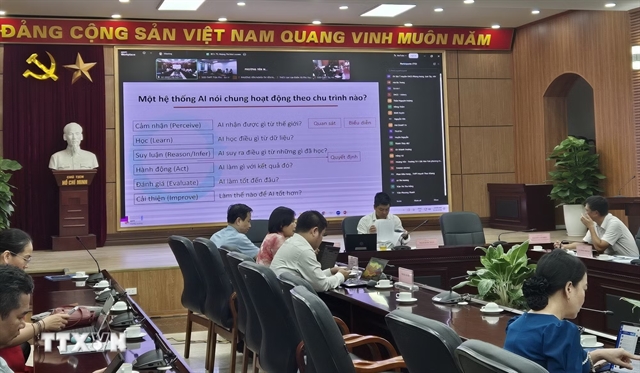
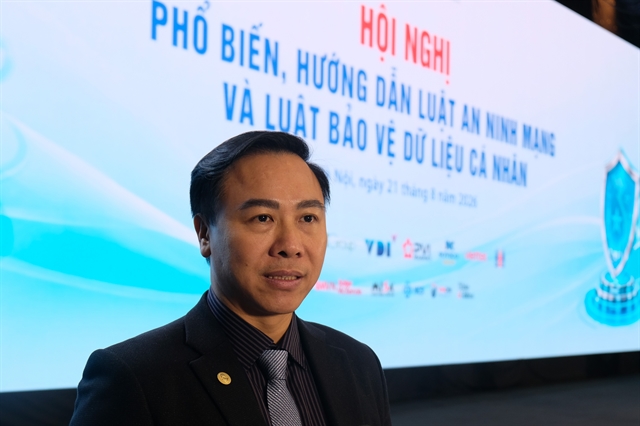
A new data-related law is being drafted by the Ministry of Public Security and is scheduled for passage during the National Assembly's upcoming session in October.
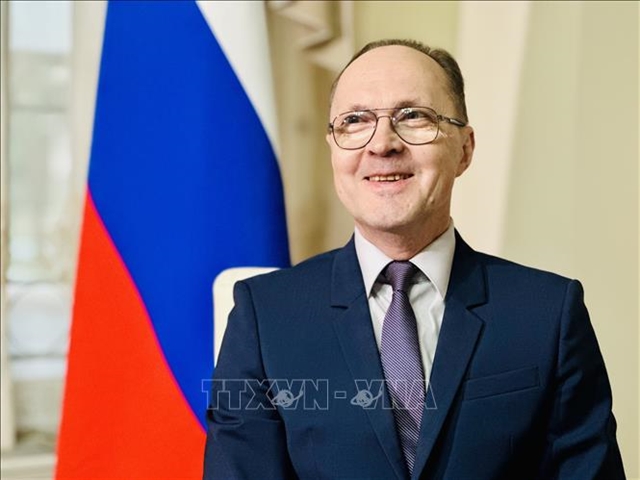
Việt Nam-Russia relations are currently developing dynamically across many fields and dimensions, on the solid foundation of friendship and mutual understanding cultivated over years.
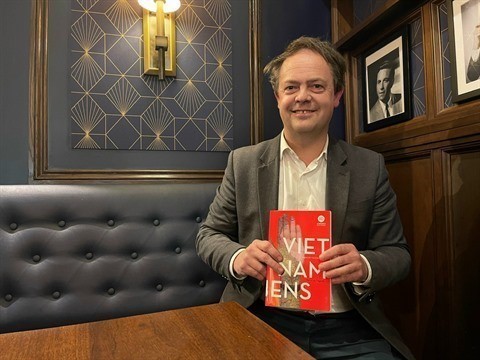
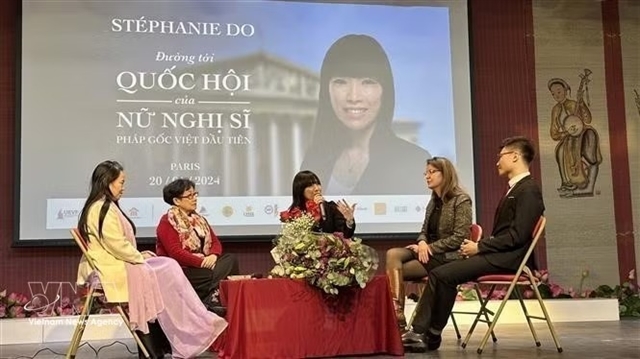
Việt Nam–France relations are at a turning point and have an opportunity to enter a new phase of development, in which the two countries need to shift from a mindset of cooperation to one of "co-creation", based on a shared strategic vision, concrete projects and complementary strengths, said Stéphanie Do, Chairwoman of the Together for France party.
General Secretary of the Communist Party of Việt Nam (CPV) Central Committee and President Tô Lâm's Russia visit is an event of particular significance. It is not merely a continuation of the tradition of regular high-level contacts, but also an opportunity to inject fresh momentum into bilateral cooperation.
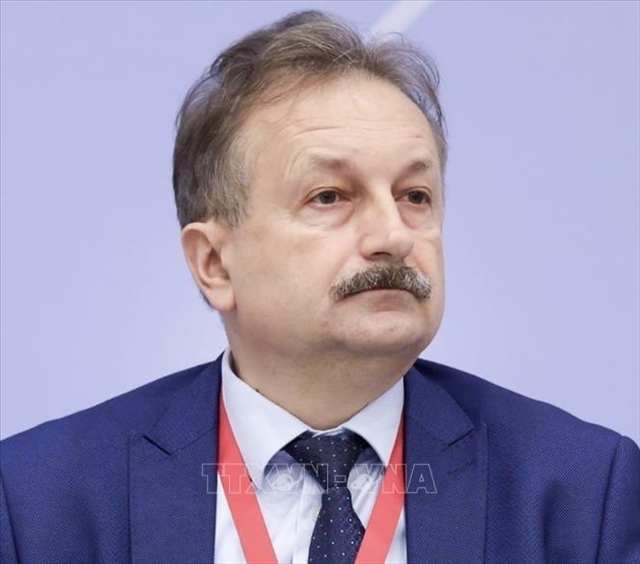
The four strategic shifts outlined by General Secretary of the Communist Party of Việt Nam Central Committee and President Tô Lâm at the third plenum of the 14th Party Central Committee have come at the right time, said Prof. Vladimir Kolotov, Director of the Hồ Chí Minh Institute at St. Petersburg State University.
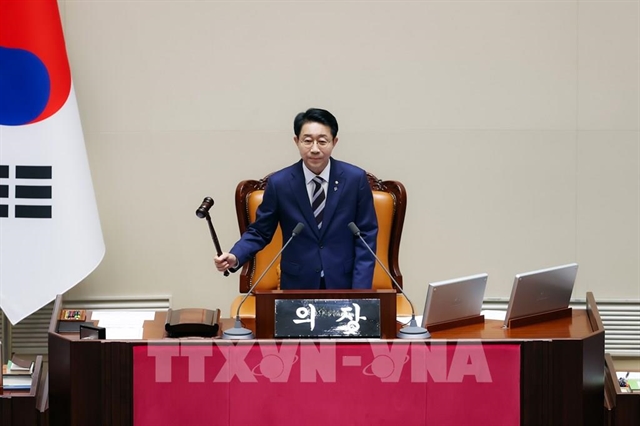
The upcoming official visits to the Republic of Korea and Mongolia by President of the National Assembly Trần Thanh Mẫn and his spouse, together with a high-ranking Vietnamese delegation, hold great diplomatic significance, affirming the Vietnamese Party and State's consistent policy of consolidating ties with the two key partners in Asia.
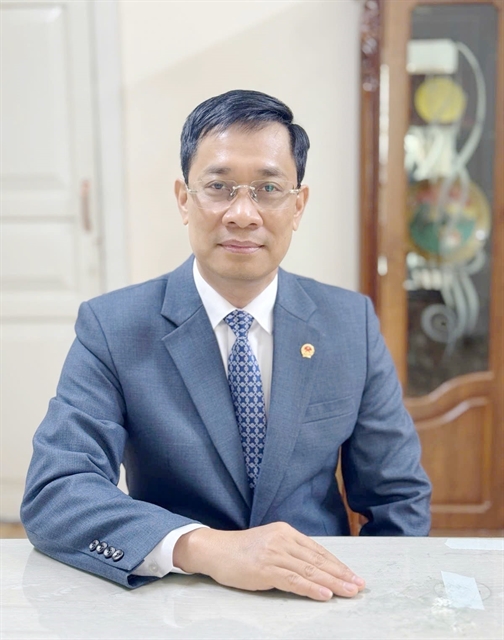
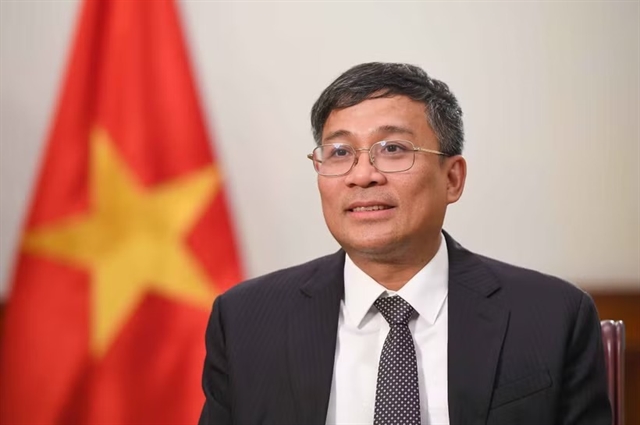
The official visits to the Republic of Korea (RoK) and Mongolia by President of the National Assembly (NA) Trần Thanh Mẫn reaffirm Việt Nam's commitment to further developing its Comprehensive Strategic Partnership with the RoK and Comprehensive Partnership with Mongolia in an increasingly substantive, effective and sustainable manner, Standing Deputy Minister of Foreign Affairs Nguyễn Minh Vũ has said.
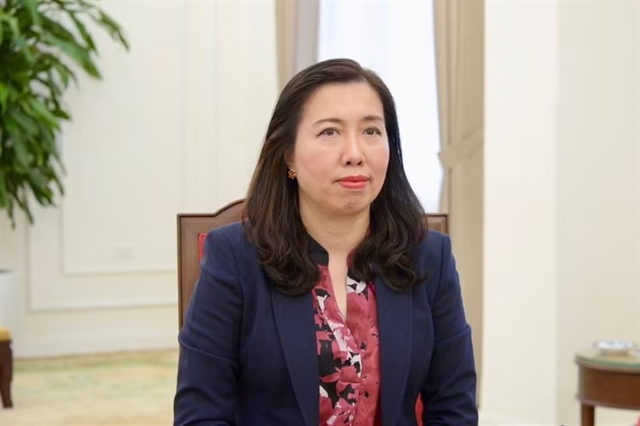
General Secretary of the Communist Party of Việt Nam Central Committee and President Tô Lâm's upcoming state visit to Russia, official visit to France and attendance at the International Space Summit in Paris are expected to mark new milestones in Việt Nam's comprehensive strategic partnerships with the two countries, according to Deputy Minister of Foreign Affairs Lê Thị Thu Hằng.
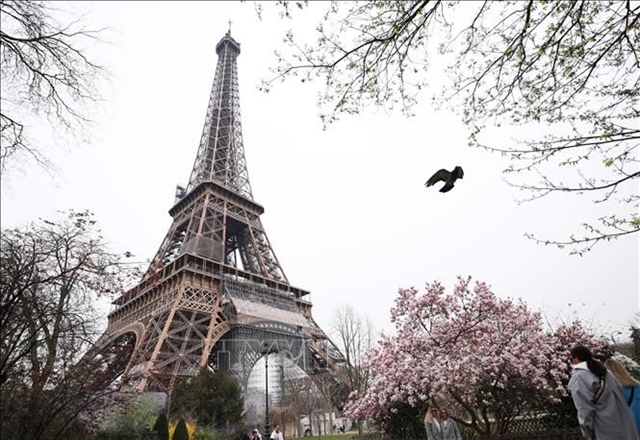
Paris views the upcoming official visit by General Secretary of the Communist Party of Việt Nam Central Committee and President Tô Lâm as an opportunity to strongly boost relations with a key Southeast Asian partner and to accelerate the implementation of the bilateral Comprehensive Strategic Partnership, said Julie Lê Saos, Advisor for Asia, Oceania and the Americas to the French President.
Korea and Việt Nam are each other’s third-largest trading partner, while Korea is Việt Nam's largest foreign investor. Against this backdrop, our two countries have continued to build a strong partnership. Our countries have set a goal of increasing bilateral trade to US$150 billion by 2030, and are exploring ways to expand cooperation in infrastructure projects in Việt Nam, including new city development, high-speed railways, nuclear energy, and power grids.
Parliamentary diplomacy complements high-level and government diplomacy while providing a channel to discuss issues directly affecting people’s lives, including education, employment, business, immigration and cultural exchanges, said Professor Park Yeon Kwan.
.jpg)