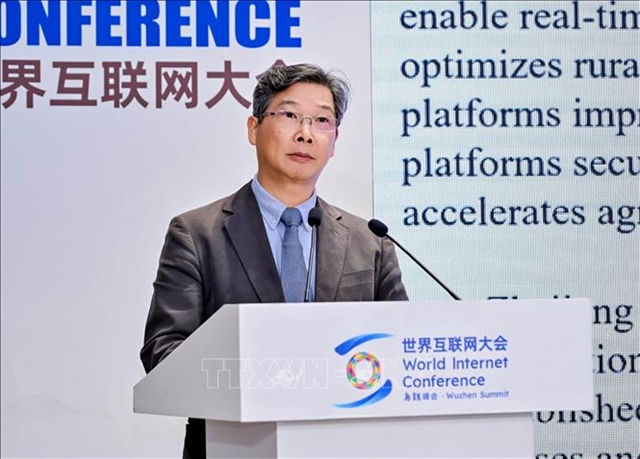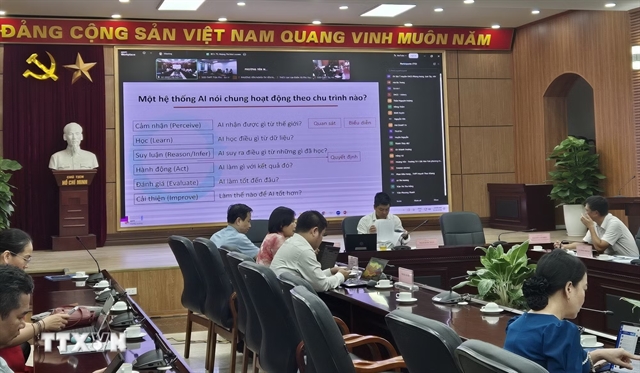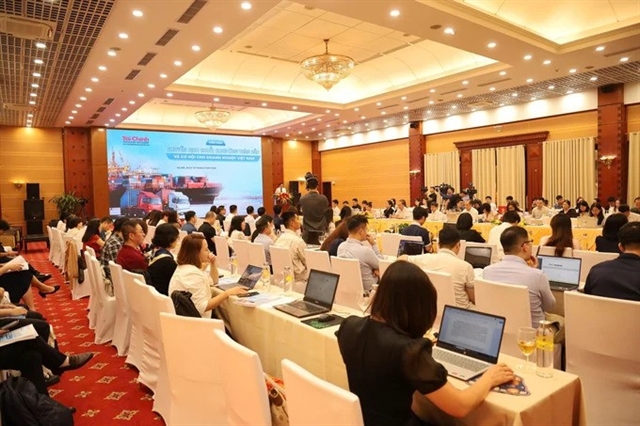
The two sides can expand cooperation in the fields of semiconductors, artificial intelligence (AI), data centres, advanced digital services and human resource training – these areas are closely aligned with Việt Nam's goal of having the digital economy account for 30 per cent of GDP by 2030.
The most important imprint, in my view, is the convergence of high-level political trust and the close bonds between the two peoples.
China is currently Việt Nam’s largest agricultural export market, while Việt Nam is China’s largest agricultural trading partner in ASEAN.
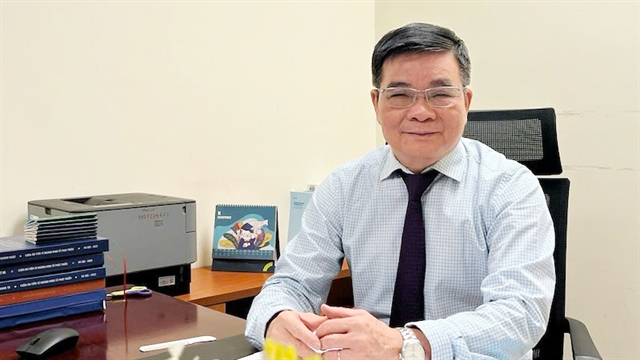
Professor Ngô Thắng Lợi, senior lecturer at the National Economics University, speaks with Việt Nam News reporter Khánh Dương about Việt Nam's economic achievements over 40 years of Đổi mới (Renewal) and future development orientations.
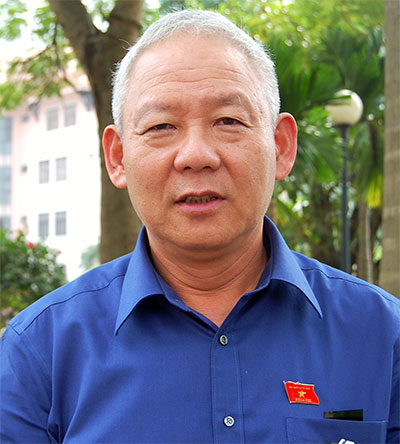
Forty years after Đổi Mới, former National Assembly official Trần Văn explains why Việt Nam's growth model must shift from scale to depth and the bottlenecks still standing in the way.
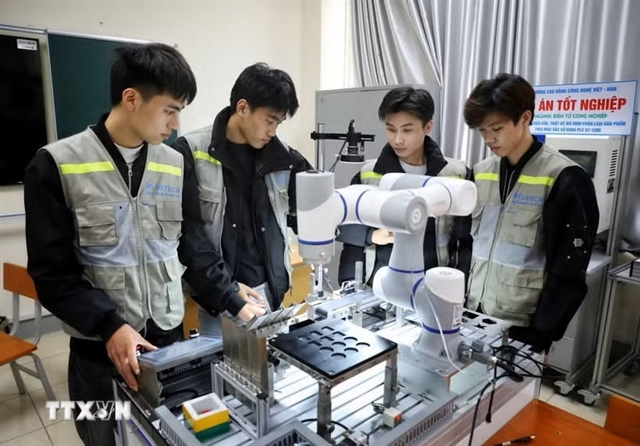
Dr Phạm Đình Trực, member of Academic Board and Learning Designer at The Open Polytechnic of New Zealand, said that the high-value niches that will help Việt Nam make use of its significant competitive advantages are innovation, education, regulations, collaborations, infrastructure and especially talent ecosystems.
AI is creating new opportunities for countries to develop world-class talent. Two international experts explain how Việt Nam can make the most of the opportunities ahead.
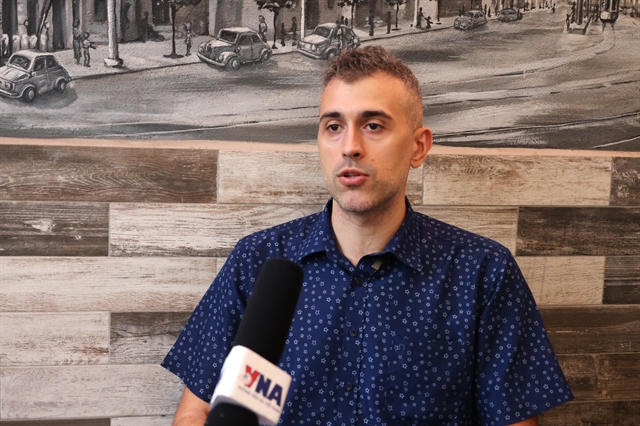
Marwah observed that Việt Nam can play a bridging role between BRICS and ASEAN, which already enjoys relatively high intra-bloc integration and considerable potential to expand trade with BRICS. Việt Nam’s experience within ASEAN could help BRICS address tariff and non-tariff barriers, delivering direct benefits to businesses and consumers.
Professor Gulshan Sachdeva of Jawaharlal Nehru University said Việt Nam could be among the leading candidates considered for BRICS membership in any future expansion. Its participation would give the grouping additional momentum and strengthen the role of an economy deeply integrated into Asian and global markets.
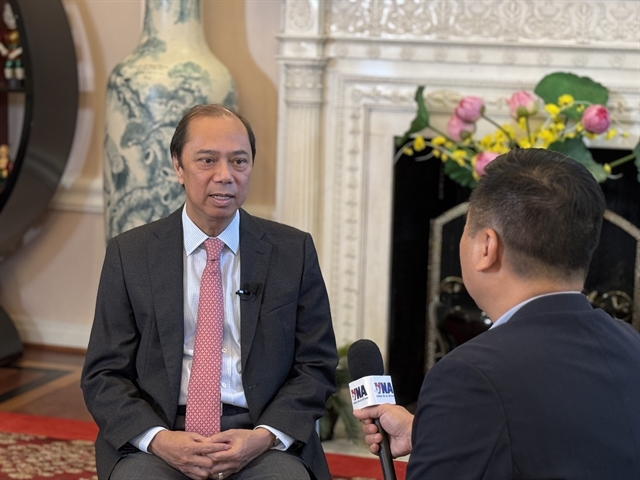
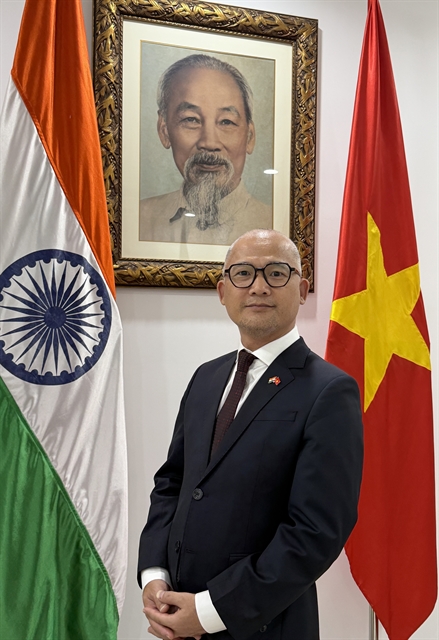
According to the Ambassador, Việt Nam is a crucial member of the Association of Southeast Asian Nations (ASEAN). For India, Việt Nam is an extremely important partner, especially on the multilateral stage.
The trips went beyond routine diplomatic exchanges, reinforcing traditional strategic cooperation while opening new avenues for cooperation in technology, energy and outer space, he said, adding that the visits portrayed a confident and steadfast Việt Nam, proactively building strong technological and diplomatic foundations to enter a new era of the nation's rise.
More than four decades after fierce fighting left hundreds of soldiers missing in the former Vị Xuyên battlefield, a special mission continues. Day after day, soldiers climb steep slopes, search collapsed caves, and sift through layers of earth and rock in a race against time to bring the fallen home.
Regarding trade cooperation, the two sides are likely to achieve their target of US$25 billion in bilateral trade this year, a basis for higher targets of $30 billion or even $50 billion in the future.
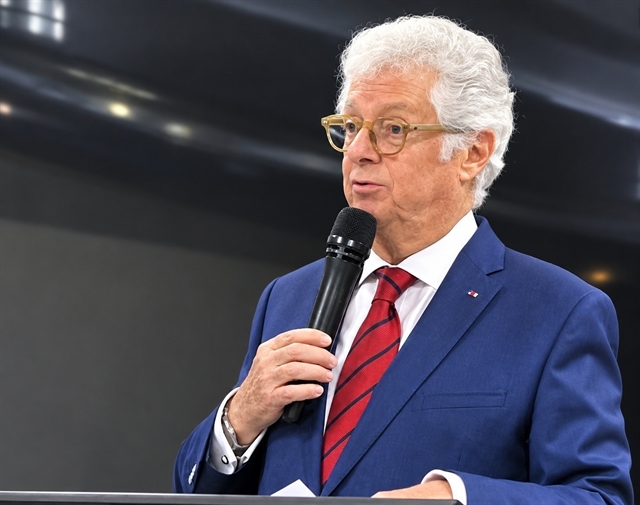
Antoine Pouillieute, former French Ambassador to Việt Nam from 2001 to 2004, said that while there are many partnerships between Southeast Asia and the EU, few countries share the historical ties, closeness, mutual understanding and respect that characterise Việt Nam-France relations.
Deputy Foreign Minister and Chairman of the Việt Nam National Commission for UNESCO Ngô Lê Văn spoke to the media following the adoption by the 80th session of the United Nations General Assembly of the initiative to establish the “International Decade of Culture for Sustainable Development”.
The new framework paves the way for cooperation at all levels, from the central governments to regions, provinces and cities, but its potential has yet to be fully realised.
Việt Nam's growing development and achievements in diplomacy, economy and culture are creating a strong and lasting attraction among French people, constituting a genuine form of soft power.
BRICS' this year theme 'Building for Resilience, Innovation, Cooperation and Sustainability' closely aligns with Việt Nam's development priorities. This provides scope for Việt Nam to share its experience and promote practical initiatives in areas of common interest, including digital transformation, science and technology, innovation, human resource development, the green economy, clean energy, enhanced connectivity and sustainable supply chains.
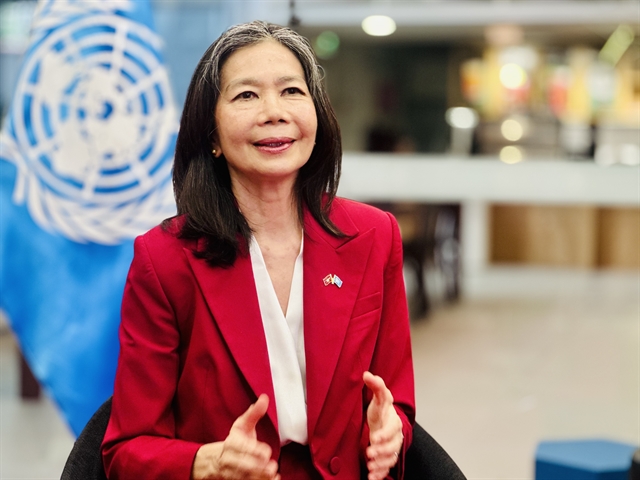
.jpg)