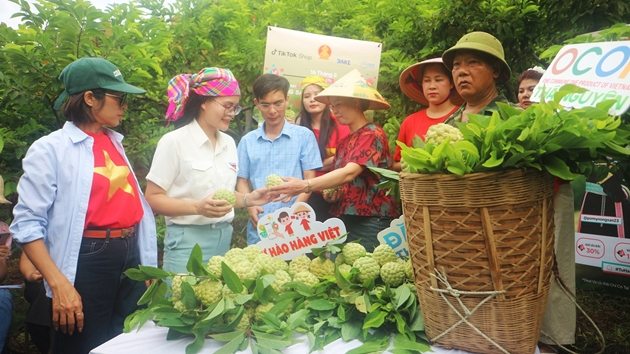
From emission-reducing rice farming and building carbon credits to digitalizing custard-apple orchards, managing tea areas with digital platforms, applying artificial intelligence (AI), the Internet of Things (IoT) and unmanned aerial vehicles (UAVs), Thái Nguyên's agriculture is steadily shifting from traditional production to a high-tech and eco-friendly agricultural sector.
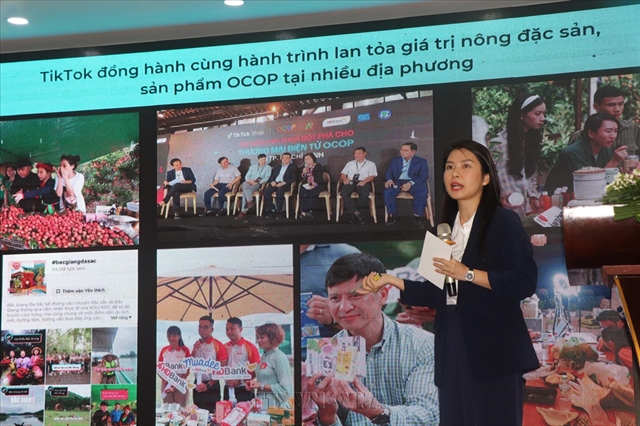
E-commerce and livestreaming are reshaping how Vietnamese craft villages, co-operatives and businesses connect with consumers, cutting distances between producer and buyer without eroding traditional values.
A new national plan covering 2026–30 sets ambitious targets for child safety, with the Ministry of Science and Technology taking the lead on digital transformation, data sharing and public education to protect children across Việt Nam.
The programme will provide 12 core AI education periods per grade each academic year, while chools will have flexibility in delivering the content through thematic lessons, integration into subjects and educational activities, as well as activities based on students' needs.
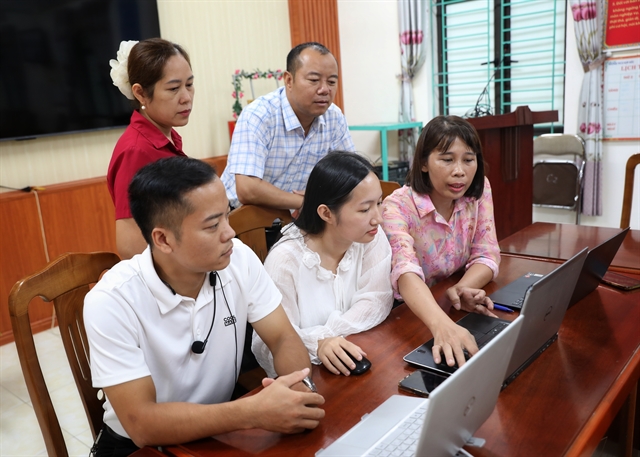
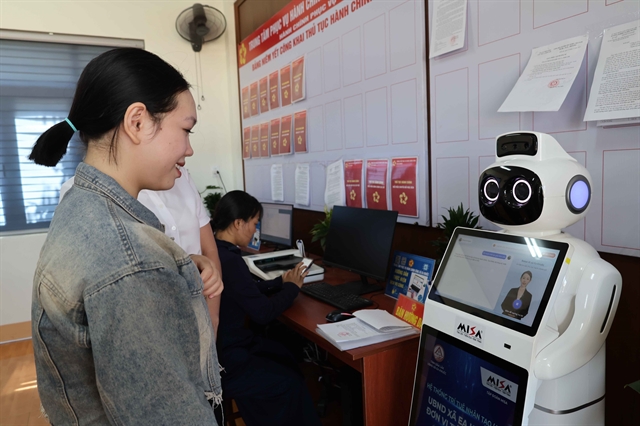
Shared databases, electronic records, online admissions and AI are improving school management and classroom teaching in Bắc Ninh, although gaps in infrastructure, digital skills and access to devices remain.
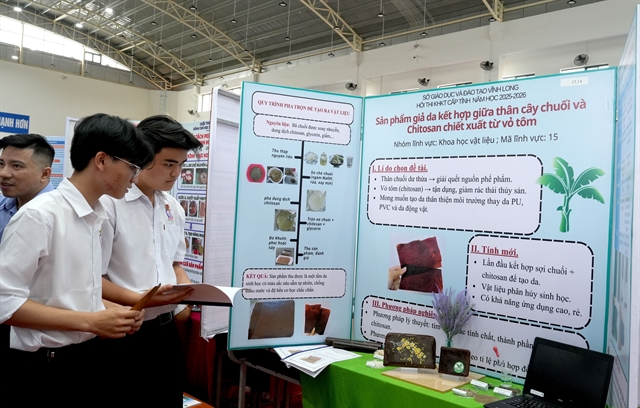
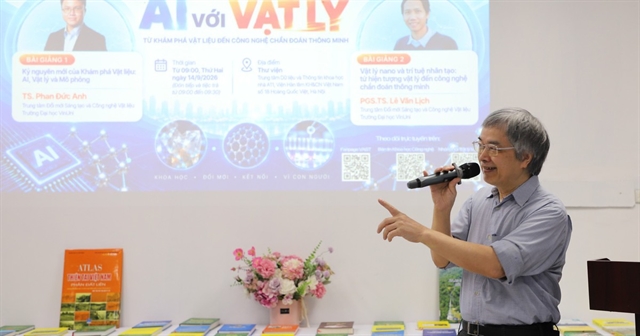
Researchers are exploring how artificial intelligence can accelerate the hunt for new materials and enable smartphone-based detection of hepatitis B, reflecting a broader push to embed AI across scientific disciplines.
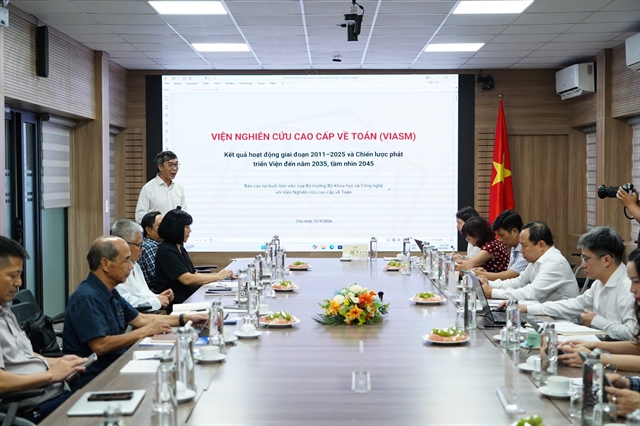
Việt Nam's top mathematics research body has been given a new mandate to become a globally recognised centre for fundamental research, talent development, and strategic technology after a high-level working session in Hà Nội.
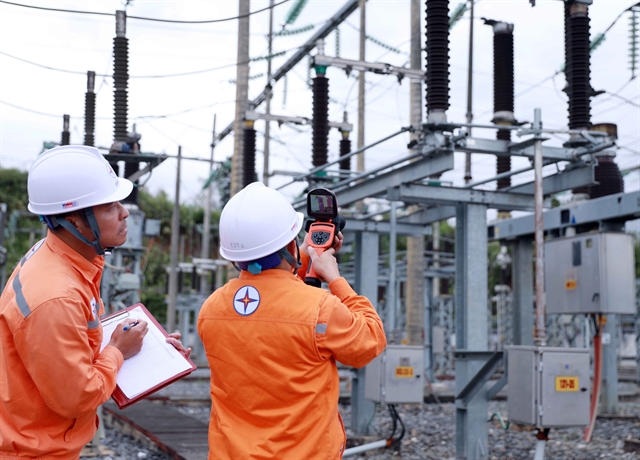
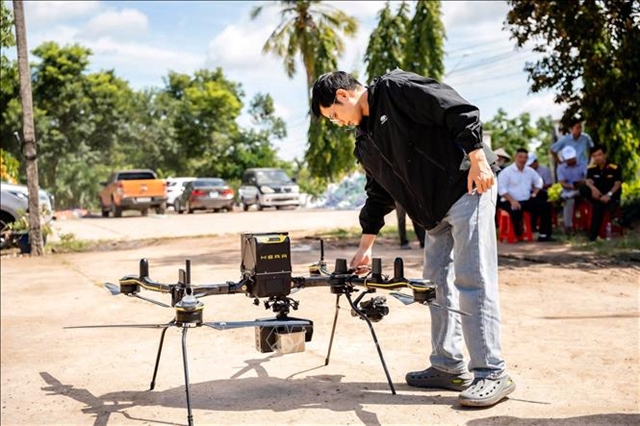
With their complex technological architecture, experts have said UAVs create opportunities for enterprises to participate in multiple stages of the value chain.
The new app will provide residents with a fast, convenient and reliable way to contact the police when they have information to report, need assistance or identify security and public-order issues.
Experts, businessmen and representatives of authorities discussed digital technology deployment at a seminar on using tech to develop low-emissions agriculture in the Mekong Delta, held in Cần Thơ City on September 11.
Enterprises and organisations seeking to apply artificial intelligence to develop new products or improve existing ones can apply for state funding of up to VNĐ3 billion per task.
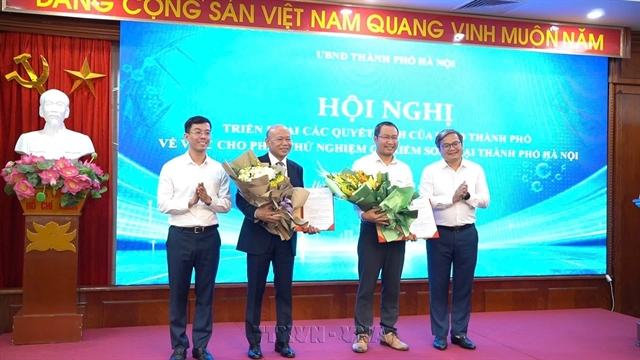
Two technology projects at Hoà Lạc High-Tech Park have entered controlled pilot testing under a new governance model that aims to bring laboratory research to market while managing risk and shaping future policy.
Việt Nam's digital technology sector is scaling up rapidly while pivoting towards higher-value products and deeper integration into global supply chains, officials said at a workshop in Cần Thơ.
The two projects involve an intelligent autonomous transportation system developed by Phenikaa-X JSC and a technology for producing mixed rare-earth oxides with a purity of over 95 per cent on a semi-industrial scale developed by the Mining Technology and Construction Consultancy JSC.
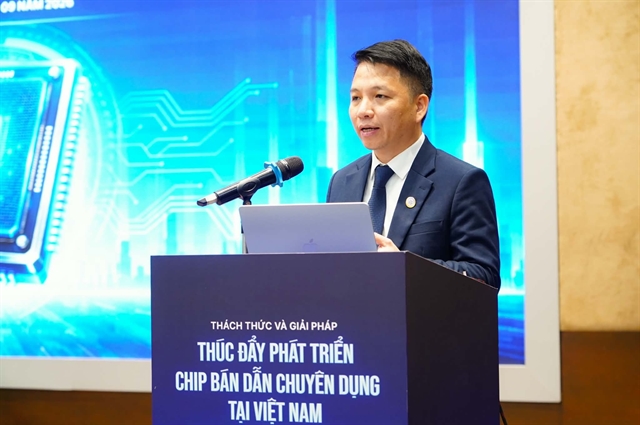
Specialised chips could open a new path for Việt Nam to strengthen technological self-reliance and move up the global semiconductor value chain, provided key bottlenecks in technology, investment and market access can be overcome.
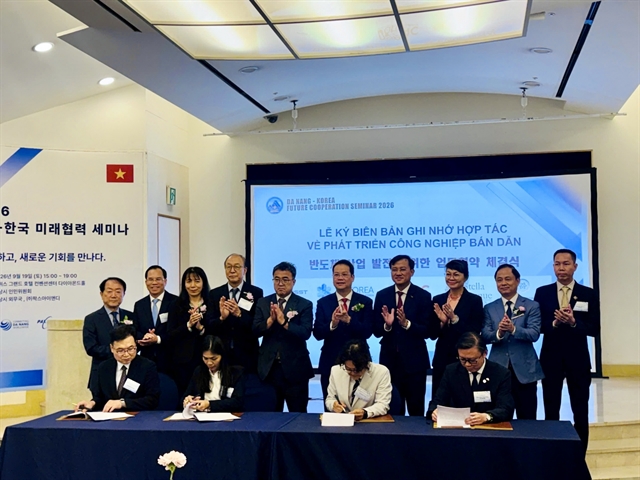
Potential areas of cooperation include artificial intelligence (AI), digital transformation, semiconductor industry, advanced manufacturing, energy, green technology, and biotechnology.
Learning from the experience of pioneering countries such as Russia will enable Việt Nam to significantly shorten the time needed to build its workforce and develop endogenous capabilities.
Việt Nam must shift toward a growth model driven by productivity, knowledge and technology to reduce its reliance on natural resources and low-cost labour, experts say, as the country seeks new engines of growth for a rapidly changing economy.