 Talk Around Town

ECO Expo Asia opens at Hong Kong AsiaWorld-Expo in late October
1.
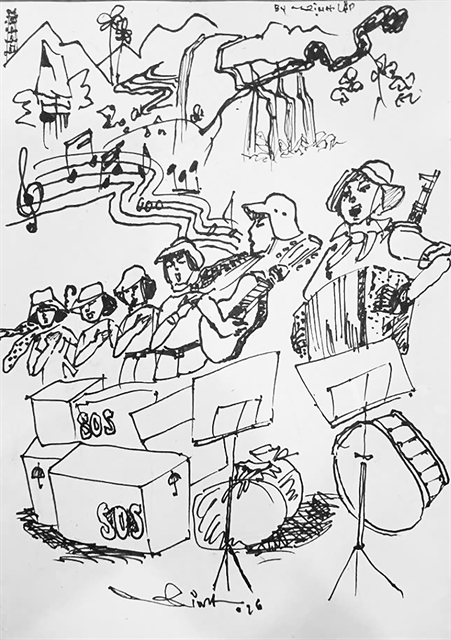 |
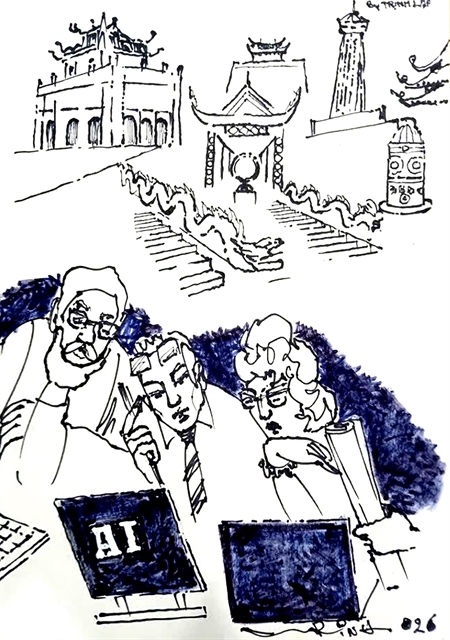
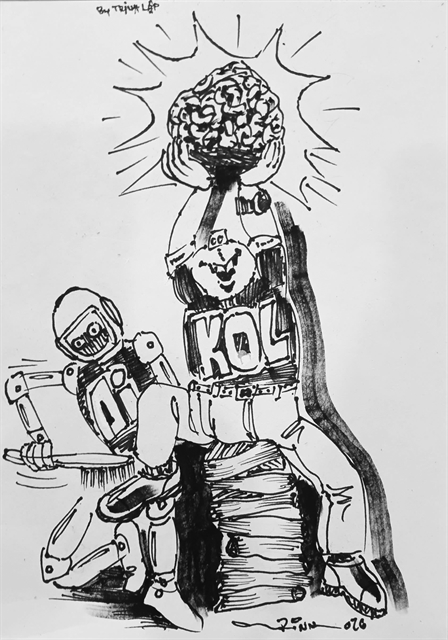
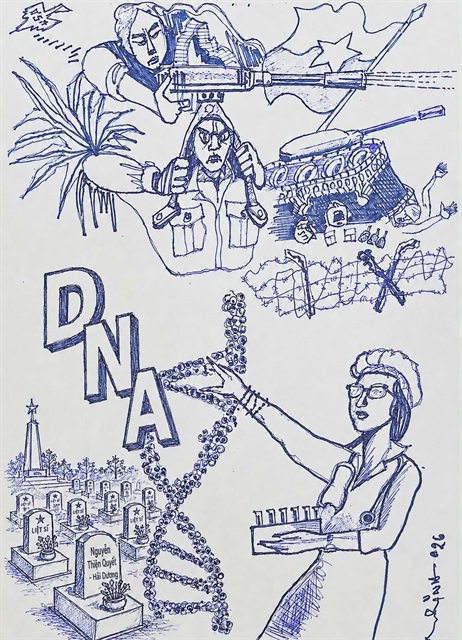
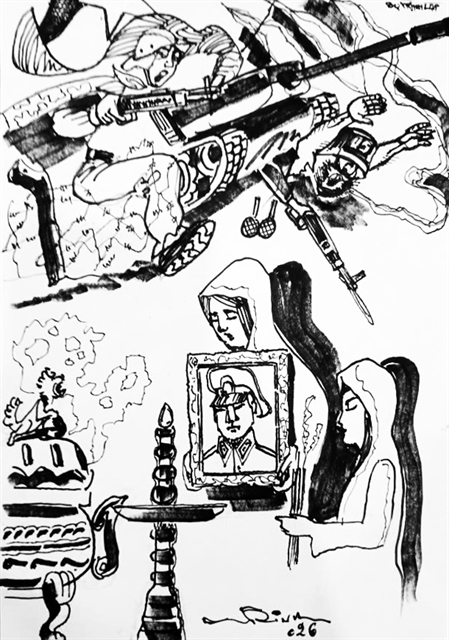
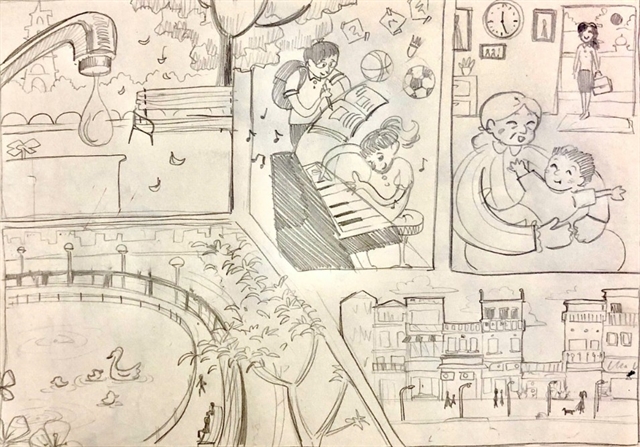
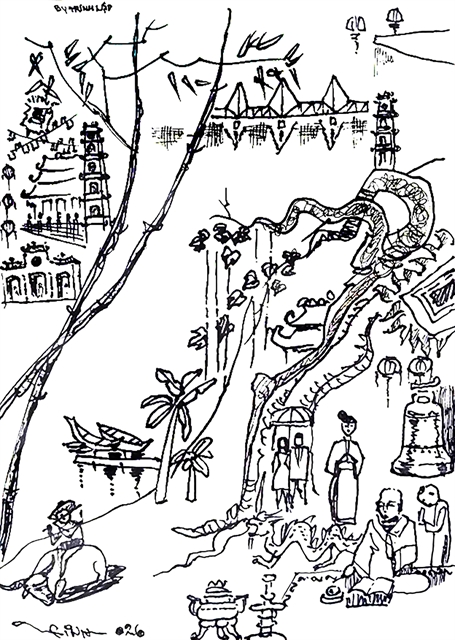
| Illustration by Trịnh Lập |
Nguyễn Mỹ Hà
The "Fatherland in Our Heart" concert, held over the weekend in Hồ Chí Minh City, brought together 40,000 people who stood in heavy tropical rain, singing the national anthem to celebrate the 81st National Day.
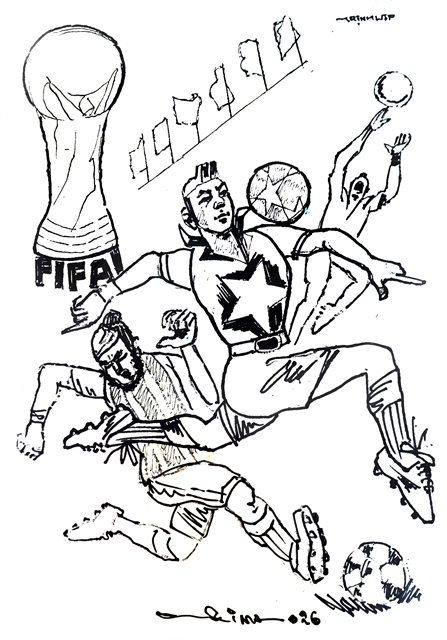
The mood leading up to the event was partly shaped by a previous football game, when the Việt Nam team beat Thailand 2–0 in the first leg of the ASEAN Cup final in Bangkok. Right after the match, football fans in HCM City poured onto the streets, waving flags and blowing plastic horns well into the night.
Watching the joyful mood, the enthusiasm of young people singing patriotic marching songs at the top of their voices in the rain, one may ask: is this how young people today express themselves and their love for the country — openly, assertively and proudly?
One of the highlights of the concert was the duet "Tuổi trẻ thế hệ Bác Hồ" (Youths of Uncle Hồ's Generation), originally composed by Triều Dâng. Born Lương Văn Côn in Cần Thơ City in 1933 in French-ruled Cochinchina, he eventually moved north in 1954 to study music at what is now the National Academy of Music in Hà Nội.
He wrote the song in 1976, winning the Liberation Art and Letters Association's music competition for works on the theme of reunification that year. The simple yet meaningful lyrics of the song not only call on young people to use their strength to build the country, but also anticipate the future.
The song illustrated the common dreams Vietnamese people then shared: bumper rice harvests, factories making goods and quite pivotal for all the growth we've seen in recent years, the electricity supply.
Built in 1992, the nearly 1,500km-long high-voltage electricity line from Hòa Bình in the North to Phú Lâm in Hồ Chí Minh City connected the power grids of all three regions and helped end chronic power shortages in many areas.
It provided electricity for industrial zones in Quảng Nam and Bình Định, now Gia Lai Province, as well as in Bình Dương, Đồng Nai and HCM City farther south.
Today, the majority of households have their own air conditioners during summer. It's hard to imagine getting through the summer without AC, a comfort their fathers and grandfathers did not know or enjoy. Their fathers' generation was busy fighting for the country to be free from foreign occupation, reunified and able to have a voice in international forums.
Many young people today are part of what is commonly called Generation Z, a demographic term used mostly by Western media and authors for people born between 1997 and 2012.
According to the US-based Pew Research Center, no official commission or group decides what each generation is called and when it starts and ends. Instead, different names and birth year cutoffs are proposed, and through "a somewhat haphazard process" a consensus slowly develops in the media and popular parlance.
As a result, generations are often shaped by events, which can vary significantly from country to country, so using a label developed largely in the US and applying it uncritically elsewhere can be problematic.
Applying the Gen Z label to Việt Nam in exactly the same way as in the US can therefore seem somewhat forced.
The youths today, having grown up amid rapid economic growth and Việt Nam's efforts to catch up with the developed world after so many years of conflict, may refer to themselves as Gen Z if they want to, but their fathers' and grandfathers' generation could never have thought of themselves as Baby Boomers, Generation X or Millennials.
For them, they belonged to the youths of Uncle Hồ's generation. Who are the youths of this generation?
President Hồ Chí Minh once wrote: "The young belong to a nation. If a nation is enslaved, then its youth is, too. If a nation is liberated, then the youth are free. Then the youths must enthusiastically take part in the country's fight, serve the Motherland and the people, helping make the people rich and the country strong."
He also said that young people must provide strength for the country: they support older generations and lead younger pioneers.
He also stated that they would be the future owners of the country; they would be the next leaders of the revolution, so they represented the growth of the country.
"A year starts in spring, a human life starts with youth. The young are the spring of society," he said.
His words have been recited over and over in many activities and campaigns, reiterating the importance of youthful energy. Taking care of young people means taking care of the future of society.
Recognising their potential, he also noted some setbacks typical of youth: not necessarily flaws, but areas young people needed to work on to improve themselves.
"The young are enthusiastic, they can go to the frontline, but they also often forget to study the lessons of experience," he wrote. That's why they would still need to be trained and challenged to mature and take on future responsibilities.
There are four pillars associated with the youth of Hồ Chí Minh's generation. They must hold solid revolutionary ideals, understand and have faith in the leadership of the Communist Party of Việt Nam and the path it has set for the country.
They must also maintain a spirit of volunteerism and pioneering service, remembering the motto: "Wherever there are people in need, the youths shall come."
They must be outgoing and enthusiastic: with dreams and ambition, good health and the courage to overcome hardships.
They must never stop studying to improve their knowledge of science and technology, while at the same time developing themselves to maintain integrity and uphold their role as future owners of the country.
Today, young people in big cities across Việt Nam may cruise their scooters through the streets in a "đi bão" when the national football team is successful, but after a noisy, joyful night out, they return to their work and studies the next morning, recharged and ready to make their dreams come true and play their part in making the country a better place for all. — VNS
Talk Around Town
 Talk Around Town
 Talk Around Town
 Talk Around Town
 Talk Around Town
 Talk Around Town
 Talk Around Town
 Talk Around Town
 Talk Around Town
 Talk Around Town
 Talk Around Town
 Talk Around Town
 Talk Around Town
 Talk Around Town
 Talk Around Town