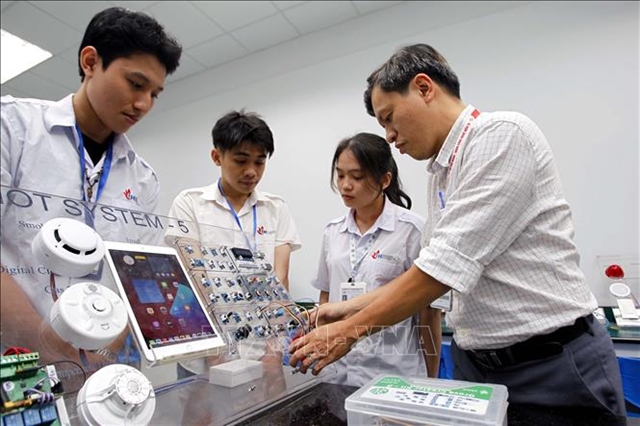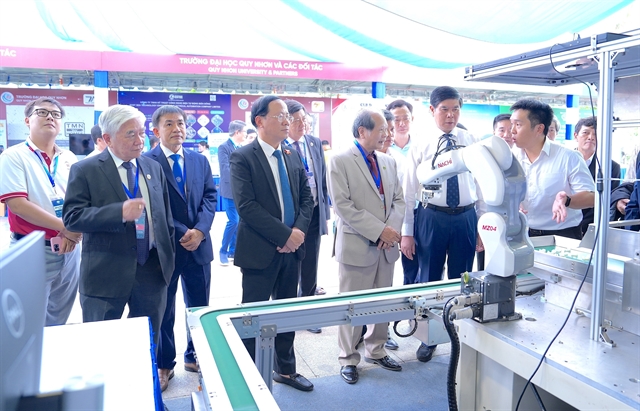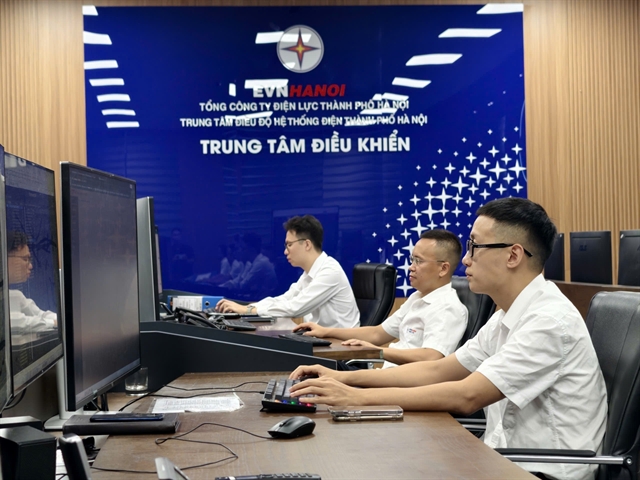
The 8th International Conference and Exhibition on Control and Automation opened in Gia Lai Province on Wednesday, bringing together researchers, universities and businesses to promote smart automation as a strategic technology underpinning Việt Nam’s digital transformation and innovation agenda.
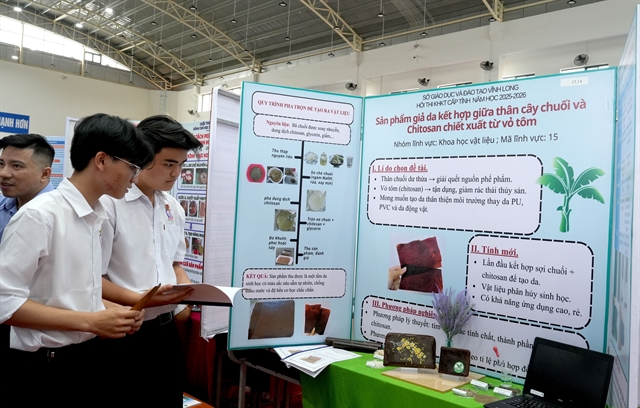
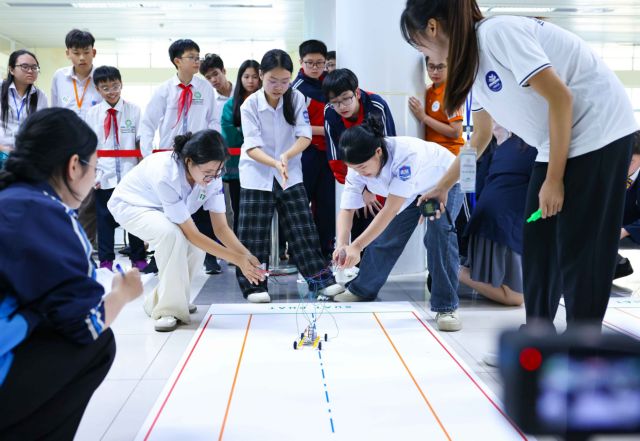
STEM majors have attracted more than half of all university applicants this year, marking a notable shift in students' choices amid stronger policy support and rising demand for science and technology talent.
Professor Trần Thanh Vân, President of the Rencontres du Vietnam Association and Director of ICISE, proposed that the Government consider establishing stable medium- and long-term support mechanisms for the ICISE through the National Foundation for Science and Technology Development (NAFOSTED).
The country needs to transform data into a commodity with economic value to form an efficiently functioning data market.
The capital city has carried out the Politburo's Resolution 57 and only requested support where needed.
Rather than simply adopting new technologies, the Việt Nam Women's Union is shifting towards comprehensive digital governance, transforming its management methods, organisational operations and service delivery.
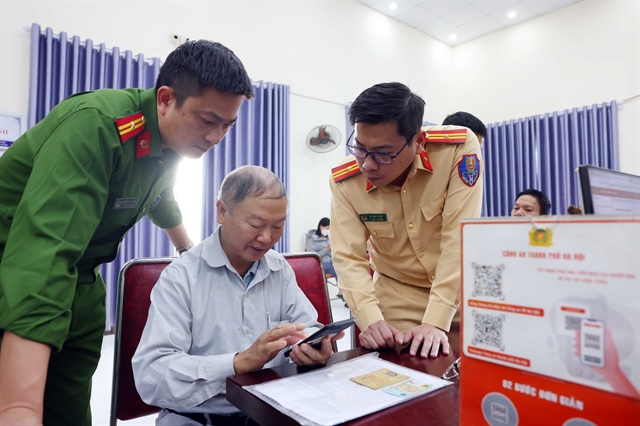
The 100-day campaign aims to remove key digital transformation bottlenecks, accelerate data-driven governance and improve the delivery of public services.
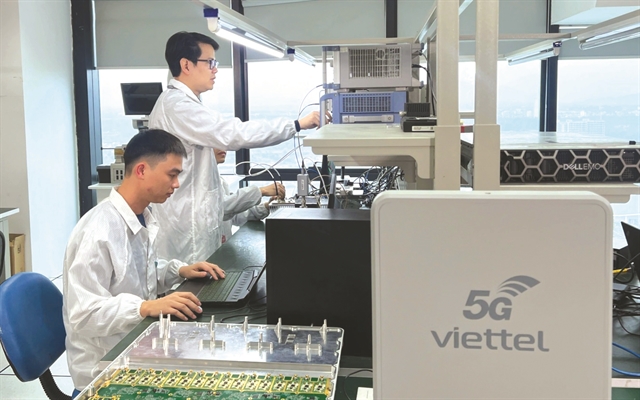
As Việt Nam accelerates ambitions in AI, semiconductors and other strategic technologies, experts say winning the global talent race will depend on building an ecosystem where scientists and engineers can innovate and create long-term value.
One of the most notable developments since the adoption of Resolution 57 is that AI has, for the first time, been placed at the centre of Việt Nam’s national development strategy.
Fibre-optic connectivity now reaches every hamlet and residential cluster, ensuring broadband internet services are available across the province.
Apart from the ‘digital transformation’ successes that have made people’s lives better, there remain challenges that require coordinated efforts from the Government, the private sector and society to place Việt Nam among the most technological advanced countries.
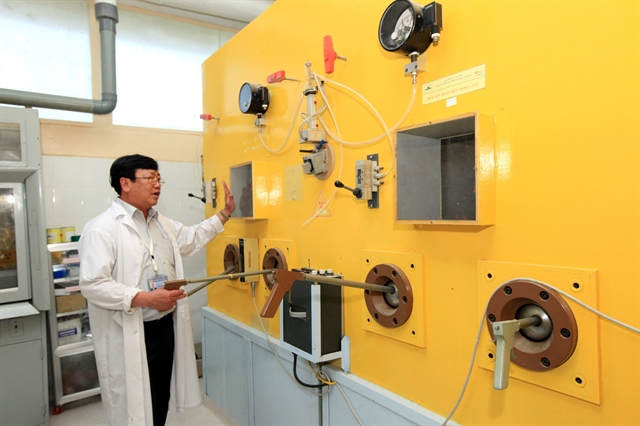
The institute is building a national nuclear science and technology centre anchored by a 15MW multipurpose research reactor.
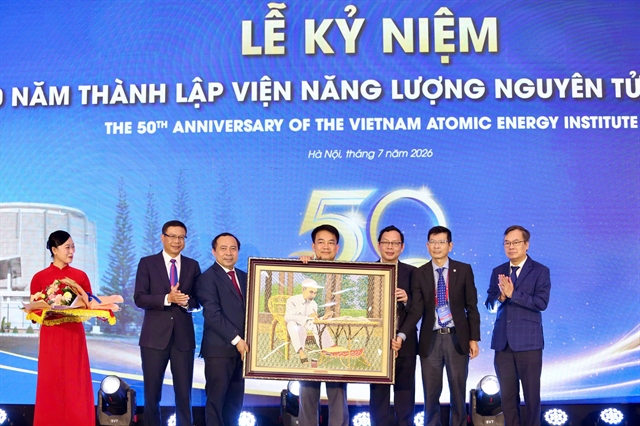
Deputy Prime Minister Hồ Quốc Dũng has called on the Vietnam Atomic Energy Institute to play a leading role in supporting the country's revived nuclear power programme while the IAEA reaffirmed its commitment to expanding cooperation with Việt Nam.
Organisations and individuals conducting research and development of high-tech technologies can get a maximum 100 per cent State funding for high-tech projects commissioned and funded by the State through the NAFOSTED, ministerial and local funds.
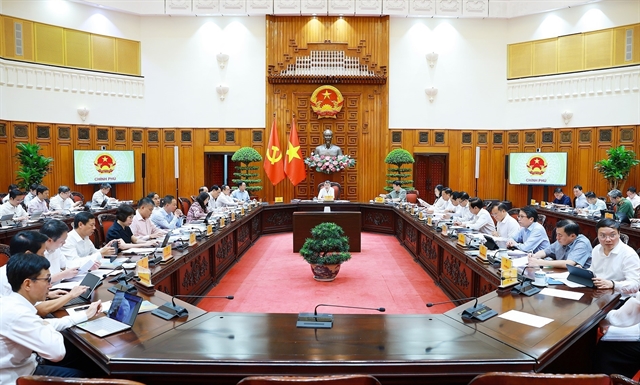
According to reports presented at the meeting, eight of the country's 12 key national databases have established platforms and are now connected to the National Data Centre, allowing real-time data sharing and synchronisation.
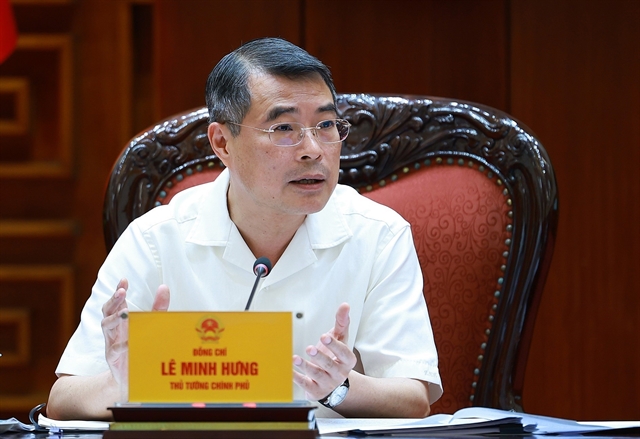
The Government leader stated that the initiative is critical to Việt Nam's digital transformation, serving as the core foundation for data-driven leadership, governance and decision-making.
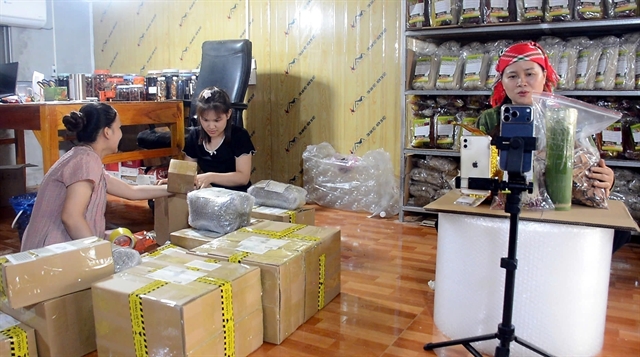
HCM City aims to digitally transform between 150,000 and 200,000 small and medium-sized enterprises (SMEs) by 2030, with at least 100,000 expected to fully adopt digital platforms and solutions.
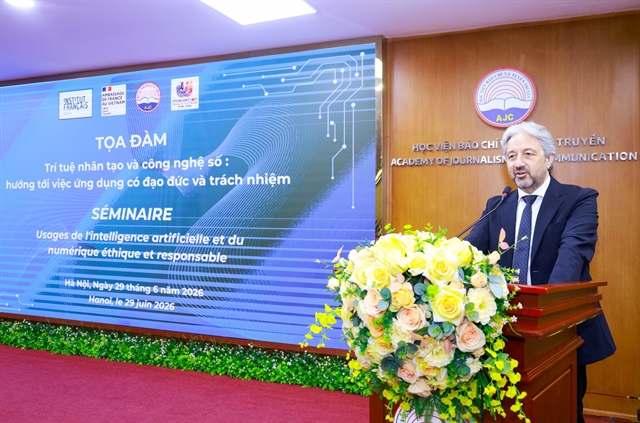
AI is now present across virtually every aspect of life, including education, vocational training, journalism and the communications sector.