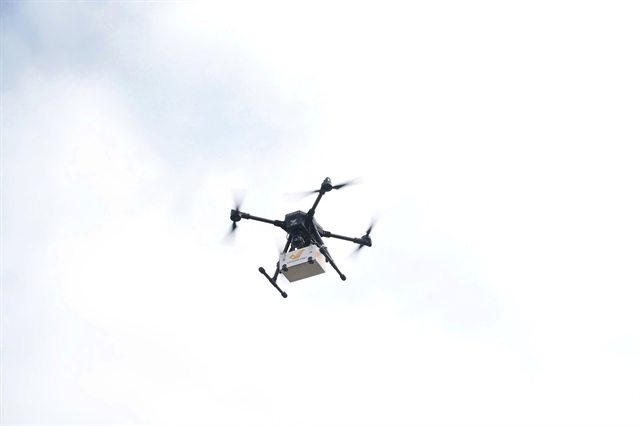
The Điện Biên Provincial People's Committee on Tuesday authorised a controlled pilot programme for digital technology-based products and services using unmanned aerial vehicles (UAVs), targeting a flight safety rate of over 99 per cent during the trial period.
The programme also sets goals for nationwide fibre-optic broadband access, broad 5G coverage, digital identification and wider use of digital signatures.
US tech giant Intel recently marked its 20th anniversary in Việt Nam, and has committed to investing US$4.1 billion in the country.
These policies are expected to serve as important foundational measures, helping Hà Nội become a centre of innovation in the next few years.
Phạm Văn Thịnh, vice chairman of Bắc Ninh Province People’s Committee, speaks to Việt Nam News about improving quality of exported lychee this year in the context of declining output due to unfavourable weather conditions.
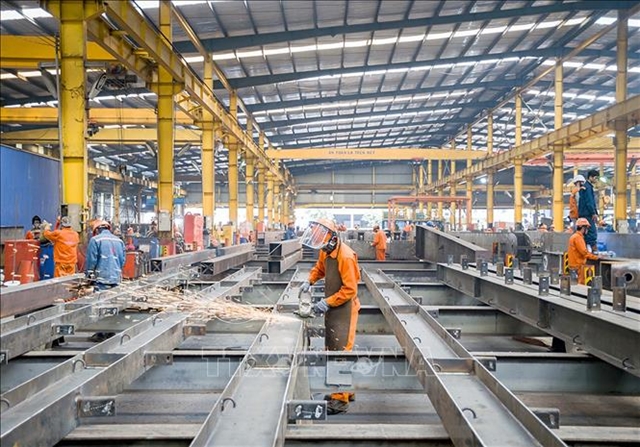
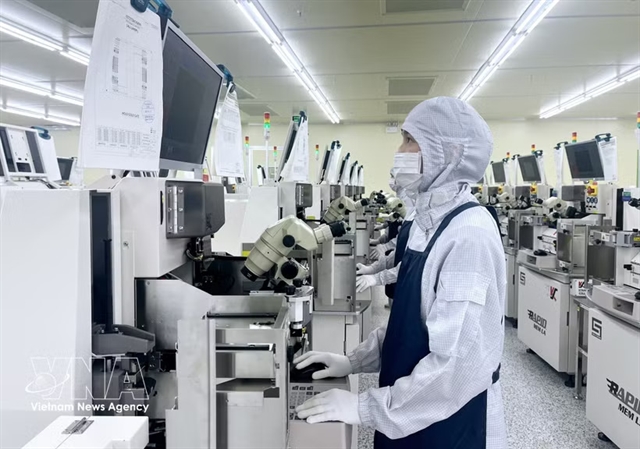
From bustling fabrication workshops and high-tech factories to smart urban infrastructure systems, a powerful spirit of innovation is spreading among workers and engineers across HCM City.
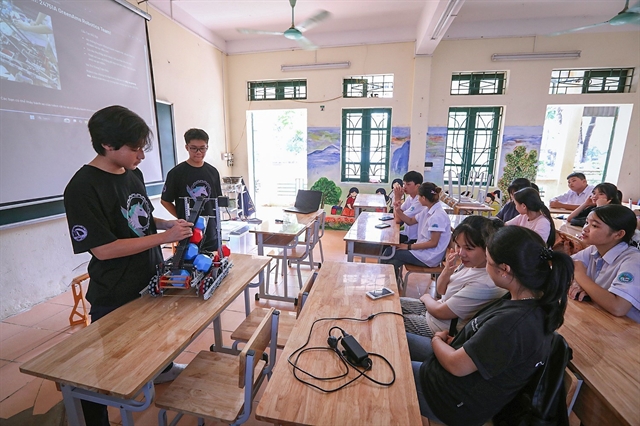
In line with the national push for science and technology development, innovation and digital transformation, as well as breakthroughs in education and training reform, schools across the capital are embracing online enrolment systems, digital learning resources and AI-powered teaching and student management tools.
Vietnamese citizens in the new era should possess innovative thinking, lifelong learning skills, adaptability, the ability to collaborate in a global environment, digital competencies, digital ethics and a strong sense of digital citizenship.
With only a few minutes of voice and video samples, criminals can create highly convincing fake videos to impersonate family members, police officers, bank employees or corporate executives, manipulating victims into transferring money or revealing sensitive information.
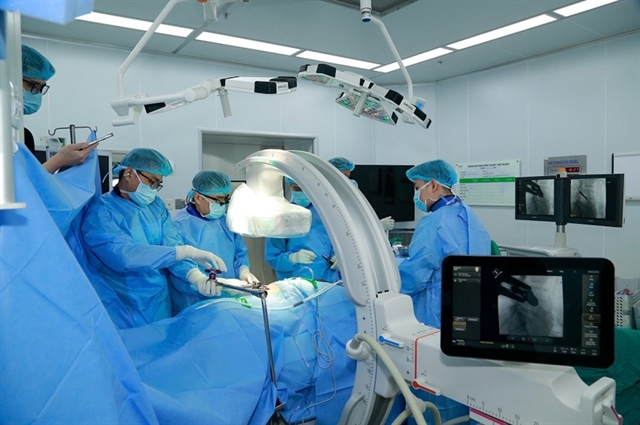
The development of robotic assistance, 3D surgical navigation, and intraoperative neuro-monitoring systems is driving a major shift in modern spinal surgery.
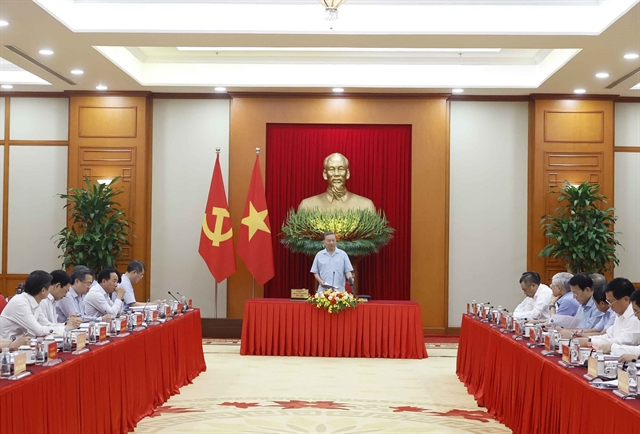
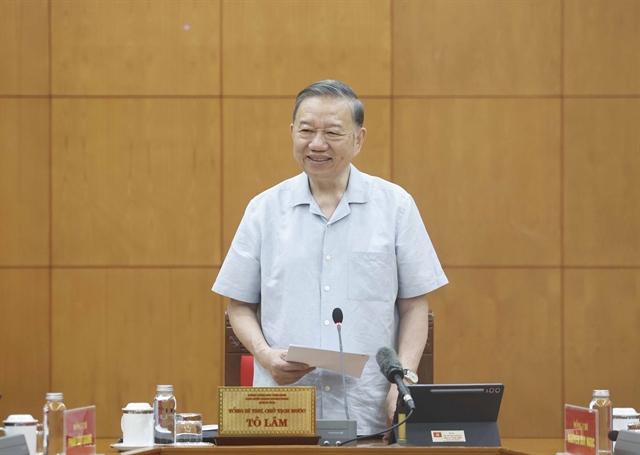
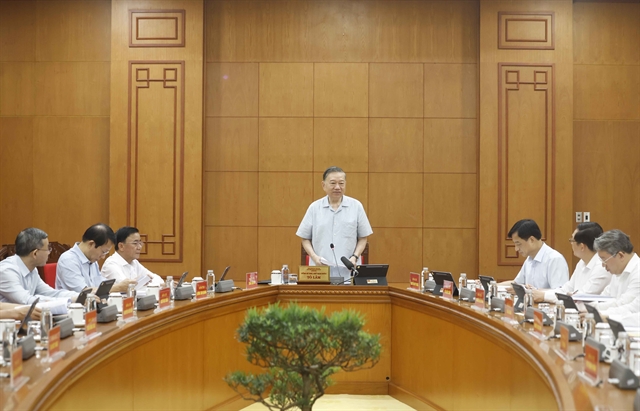
Party General Secretary and State President Tô Lâm said that by 2030, Việt Nam must remove institutional bottlenecks and obstacles to establish a national ecosystem for basic research. By 2045, the country should develop several fields of basic science with international competitiveness.
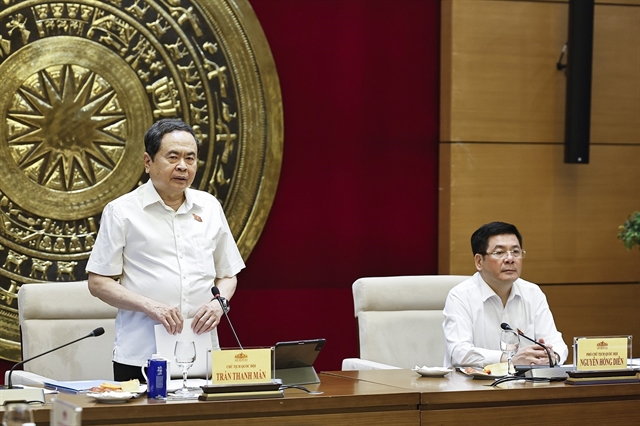
NA Chairman Trần Thanh Mẫn praised the committee’s efforts since the beginning of the 16th-tenure National Assembly, particularly in institutionalising Party resolutions related to science and technology, innovation and national digital transformation.
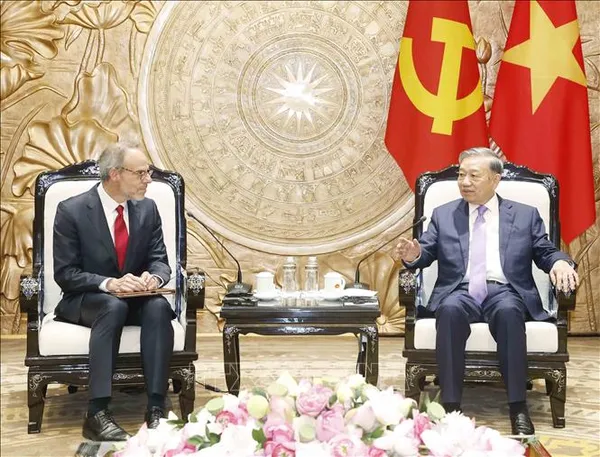
Việt Nam highly evaluates and stands ready to create favourable conditions for US tech corporations to invest in the country on the basis of harmonious interests, thus contributing to the bilateral ties and delivering tangible benefits to their citizens and businesses, said Party General Secretary and President Tô Lâm.
The top leader called for a tightly coordinated national quantum strategy focused on security, digital sovereignty and practical capability rather than symbolic investment.
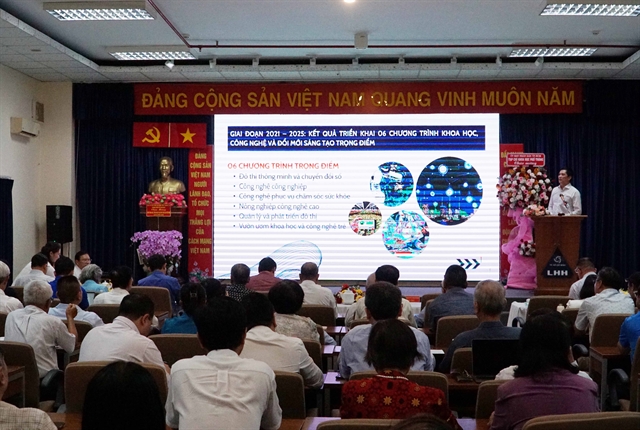
Southern metropolis HCM City must narrow down its technological priorities to avoid spreading resources too thinly, experts said at a workshop held on May 18.
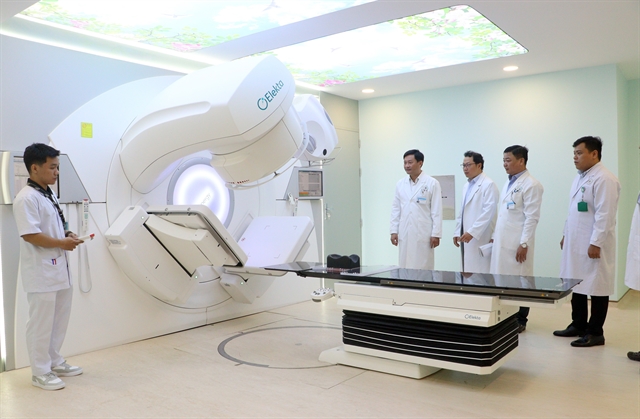
Under the plan, by 2030 all personnel engaged in State management of atomic energy at both central and local levels are expected to receive professional training and capacity building to effectively carry out duties related to radiation safety.
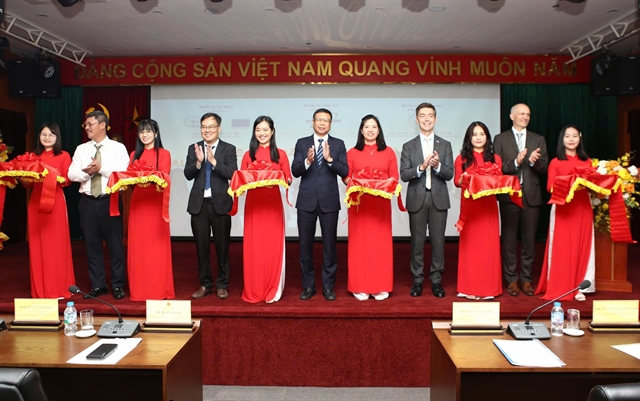
The EU-ASEANTOM project, funded through non-refundable aid from the EU, aims to establish an Early Warning Radiation Monitoring Network and the ASEAN Regional Data Exchange Platform for seven ASEAN member states.
The revolutionary press, and the VNA specifically, must stay at the vanguard of the information front while accompanying the country’s push in sci-tech, innovation and national digital transformation.