Việt Nam National University-HCM City (VNU-HCM) has announced its strategic roadmap for science, technology, and innovation for the 2026-30 period, alongside a major funding initiative to back postgraduate researchers.
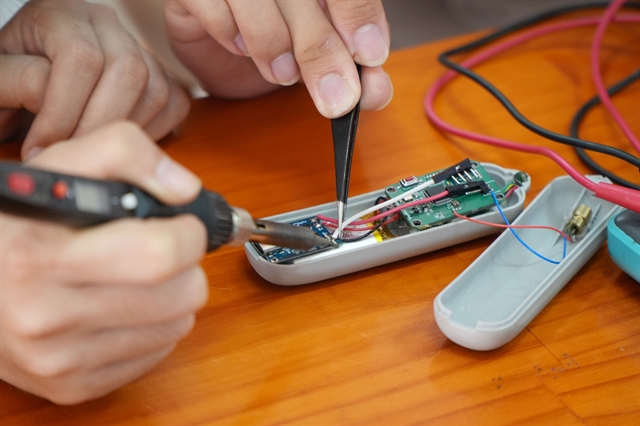
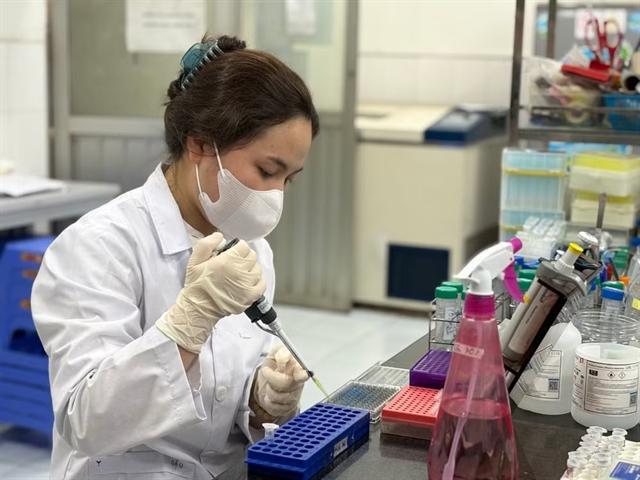
The device is designed for simple operation. Users only need to gently move the pen-shaped sensor across the skin, while the system automatically collects and analyses data before signalling the detected acupuncture point through lights and sounds.
Under the proposal, undergraduate students could receive between VNĐ3.7 million and VNĐ5.5 million (US$140–210) per month, while master’s and doctoral students could receive up to VNĐ8.4 million ($318) per month.
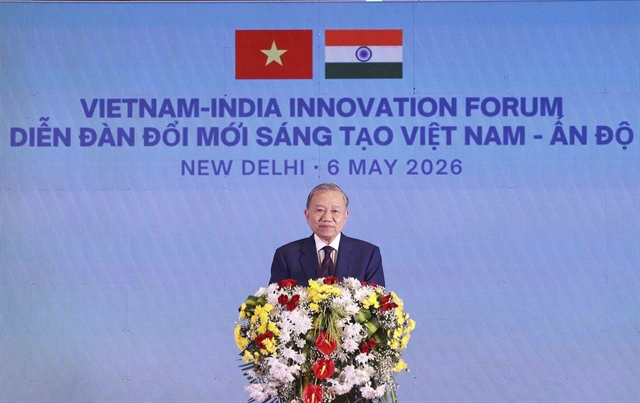
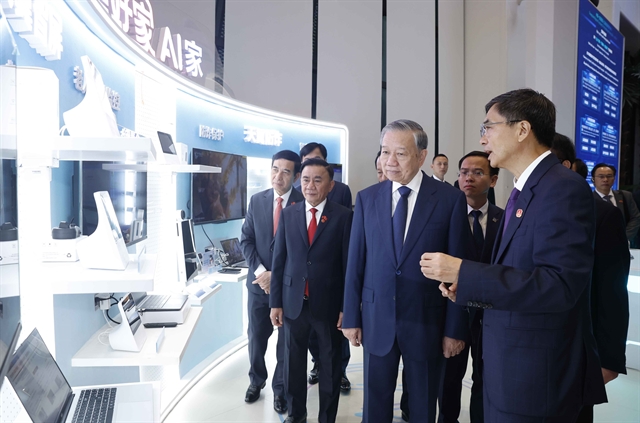
Việt Nam's top leader suggested creating cooperation spaces in science and technology through large-scale projects and long-term mechanisms, advancing a Việt Nam–India Digital Partnership, and promoting a ‘co-research, co-development, co-production’ model to generate jointly branded technology products capable of deeper integration into global value chains.
The draft applies to higher education institutions, organisations and individuals involved in teaching, research, management and support services, as well as enterprises providing digital platforms and AI solutions.
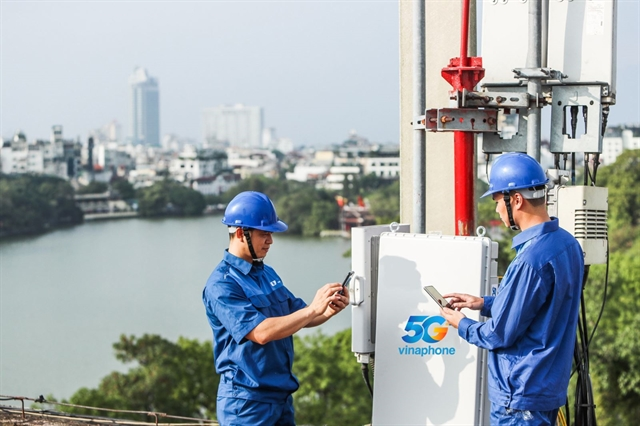
The Ministry of Science and Technology forecasts that spectrum demand will continue to rise sharply in the coming years.
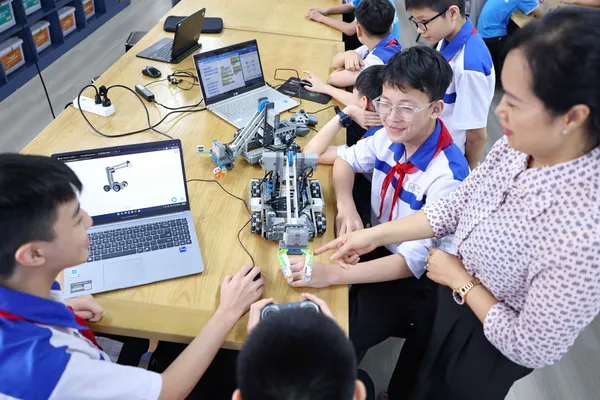
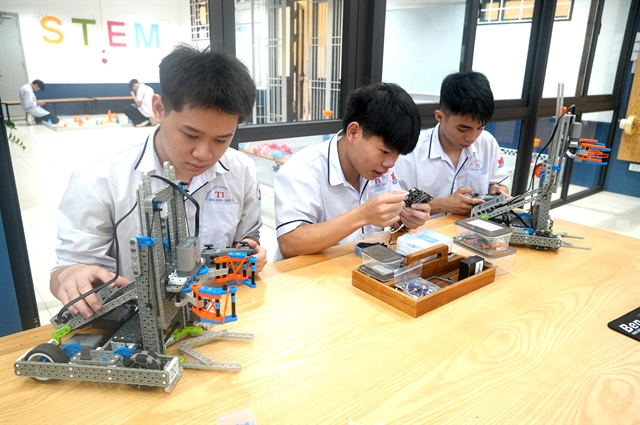
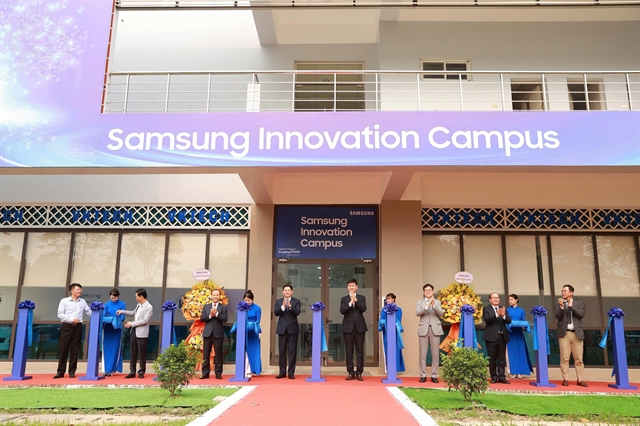
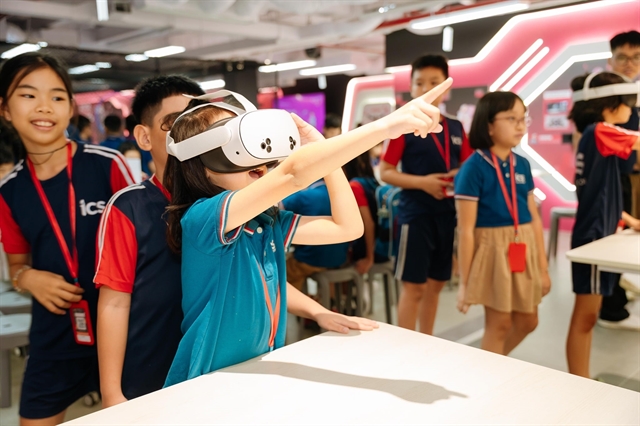
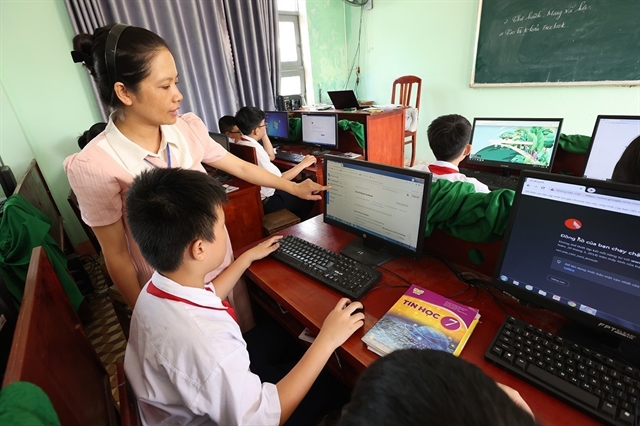
The STEM classrooms are designed cohesively and flexibly, integrating advanced technology to create open spaces where students can research, experiment and develop interdisciplinary science projects.
This year, the United Nations’ World Creativity and Innovation Day further underscores the pivotal role of creativity in socio-economic progress, providing fresh impetus for Việt Nam to refine institutions, mobilise resources, and foster a culture of innovation.
The China–ASEAN AI Application Cooperation Centre, jointly established by the Guangxi Zhuang Autonomous Region and ASEAN countries, aims to promote inclusive and mutually beneficial development of AI globally.
The two centres are the International Centre of Research and Postgraduate Training in Mathematics (ICRTM) and the International Centre for Physics (ICP), both operating under the Việt Nam Academy of Science and Technology (VAST).
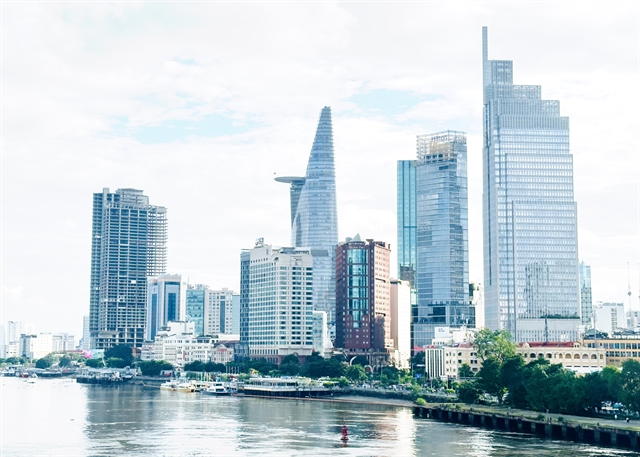
HCM City is set to mobilise all possible resources to make science, technology, innovation, and digital transformation the primary engines for double-digit economic growth.
HCM City has made history as the first locality in Việt Nam to officially promulgate a comprehensive digital data development strategy for the 2026-30 period, with a vision extending to 2035.
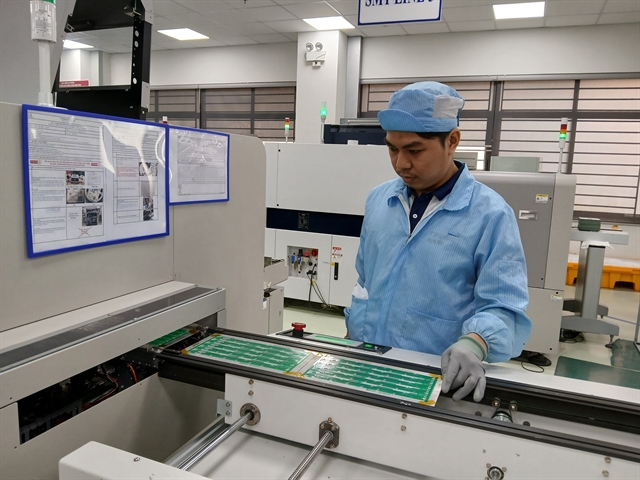
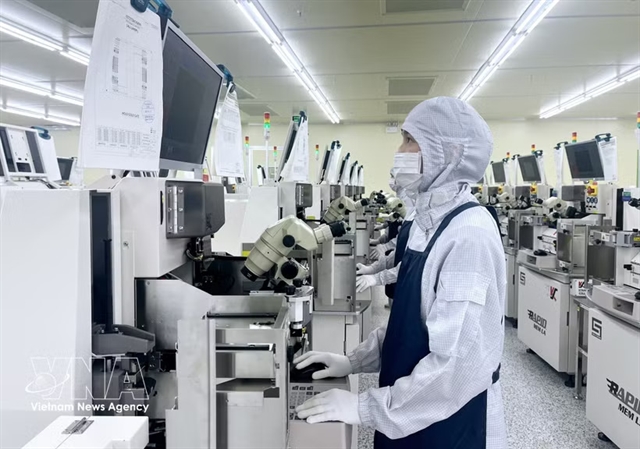
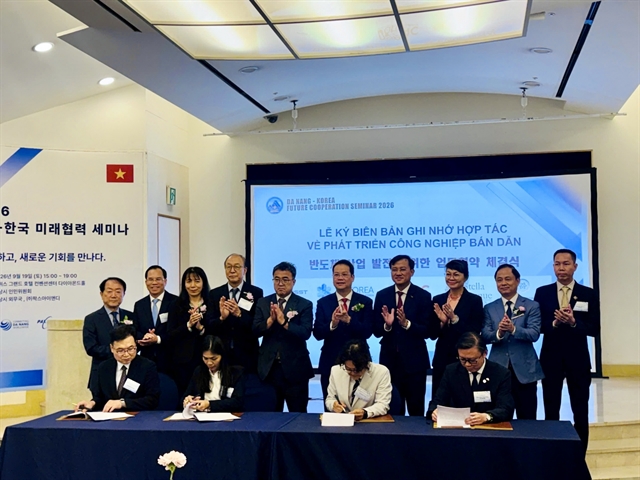
Implemented in collaboration with the National Innovation Centre (NIC) and Letuin High Tech Vietnam, the programme will, for the first time, introduce semiconductor training alongside existing courses in artificial intelligence (AI), the Internet of Things (IoT) and Big Data.
The programme marks a sharp pivot from broad training support to targeted investment in research excellence. It concentrates resources on priority areas, especially strategic technologies, while ensuring balanced coverage across scientific disciplines.
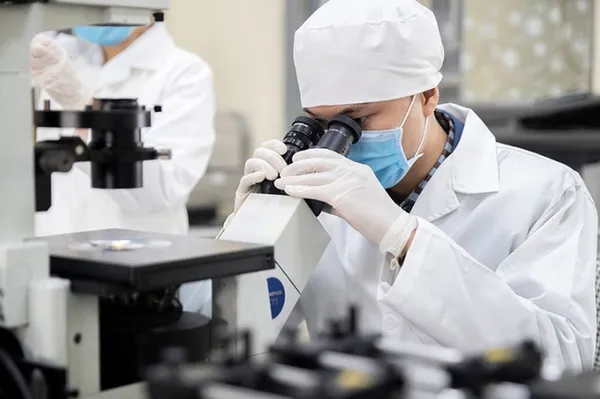
A research paper originating from a university graduation thesis at the HCM City University of Technology (HCMUT) under Việt Nam National University-HCM City has been published in a world-leading journal on artificial intelligence in education.
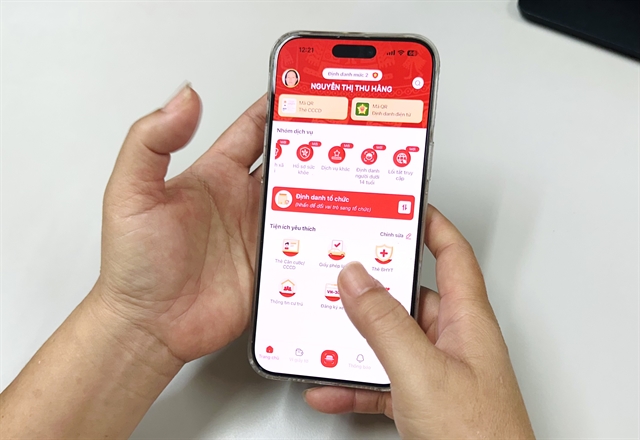
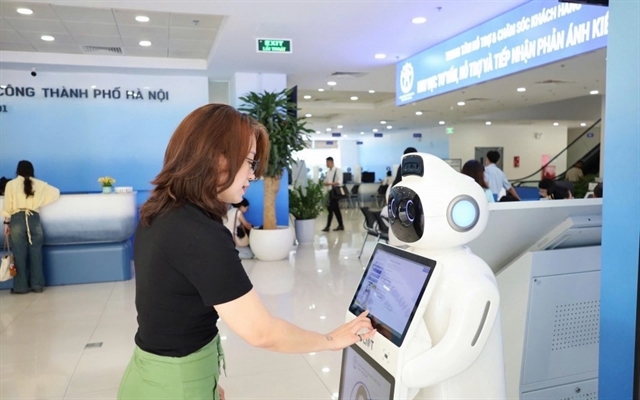
From technology-driven urban governance solutions to local online public services, digital technology is steadily narrowing the gap between Government and the business community.
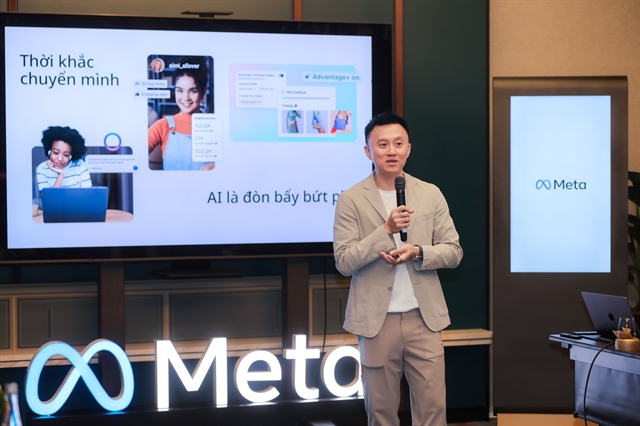
AI-driven tools are pushing Việt Nam’s social commerce into a new phase, as businesses scale automated messaging, personalised sales and real-time customer engagement.
Creating STEM education spaces has opened up opportunities for students to build knowledge and inspiration for scientific research, especially for students in remote mountain areas.