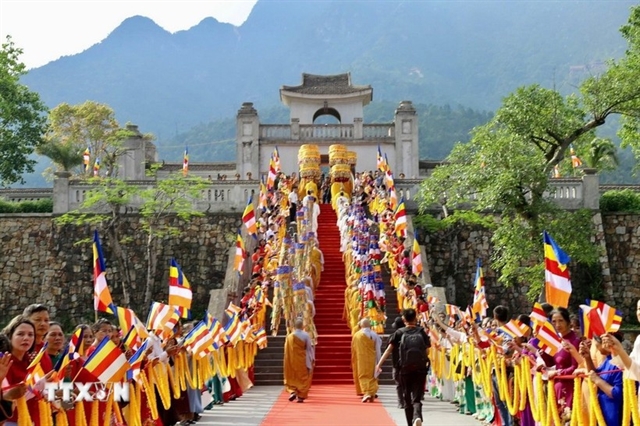
A key highlight will be a ceremony to receive a UNESCO certificate recognising Đông Hồ folk painting as an item on the List of Intangible Cultural Heritage in Need of Urgent Safeguarding, along with the announcement of the Yên Tử – Vĩnh Nghiêm – Côn Sơn, Kiếp Bạc complex as a World Cultural Heritage site. The festival opening is scheduled for 8:00 on March 28 at February 3 Square.
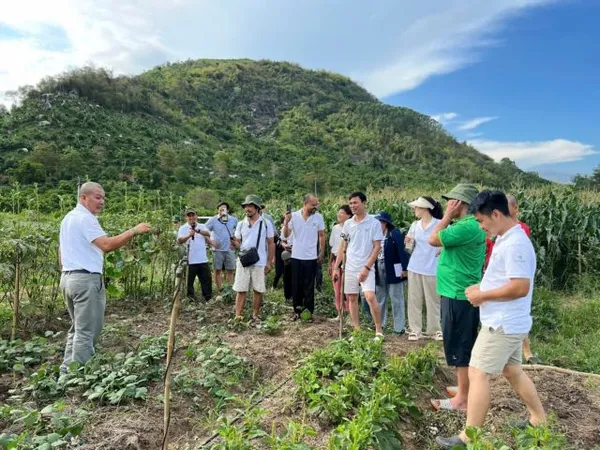
Rock climbing may have sparked the transformation, but demand for accommodation, cuisine, experiences and cultural exchange has since fostered a mutually reinforcing community-based tourism ecosystem, opening a sustainable pathway out of poverty for ethnic minorities and offering a replicable model for other mountainous regions.
When placed in its proper role, culture can serve as the “glue” that binds communities, reinforces identity, strengthens social consensus and provides a solid spiritual foundation for sustainable development.
The holiday from February 14–22 saw tourism activities flourish not only in major cities but also across many localities nationwide. Average room occupancy at accommodation facilities reached up to 60 per cent, with several destinations posting notably high rates, including Phú Quốc at around 95 per cent, Sa Pa at 90–95 per cent, and Đà Lạt and Phan Thiết at 80–90 per cent.
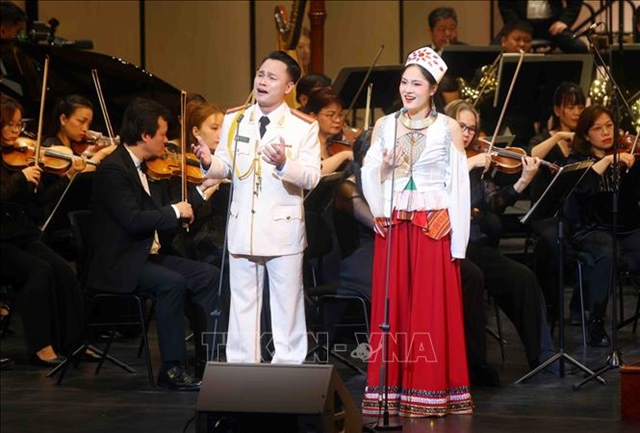
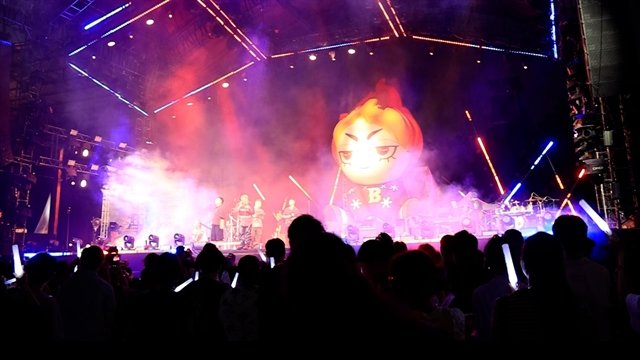
The concert served as a New Year greeting, conveying hopes and aspirations for a year of new achievements, with musical works praising the peaceful beauty of Vietnam, honouring the glorious Party and great President Hồ Chí Minh, and celebrating the vibrant spirit of spring across the country.
When a Vietnamese action thriller rooted in a real 1978 hijacking earns praise from The New York Times, it signals not only global recognition but also a rising wave for Vietnamese cinema.
Vietnamese thriller drama Thỏ Ơi!! (Bunnie!!) dominated the box office during the Tết (Lunar New Year) holiday from January 17-22.
In recent years, digital transformation has become a common feature in socio-economic development strategies. For tourism – a multi-sector, experience-driven industry closely tied to information – digitalisation is no longer a trend but an inevitable requirement to enhance competitiveness and ensure sustainable development.
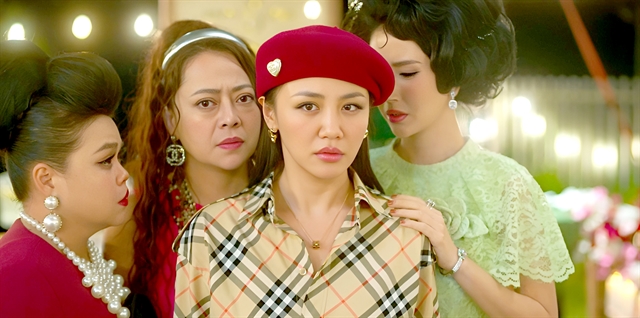
Đỗ Thị Hải Yến, who gained international recognition for her role as Phượng in The Quiet American, directed by Phillip Noyce, spoke with Việt Nam News reporter Nguyễn Bình about her long-awaited return to acting.
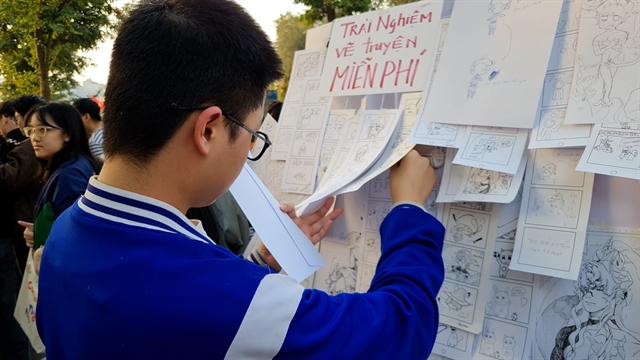
From 17 founding members to a growing circle of young artists, HAU Comics Club is a space for students to learn, experiment and tell stories through comics. They are shaping the future of Vietnamese comics, one illustration at a time.
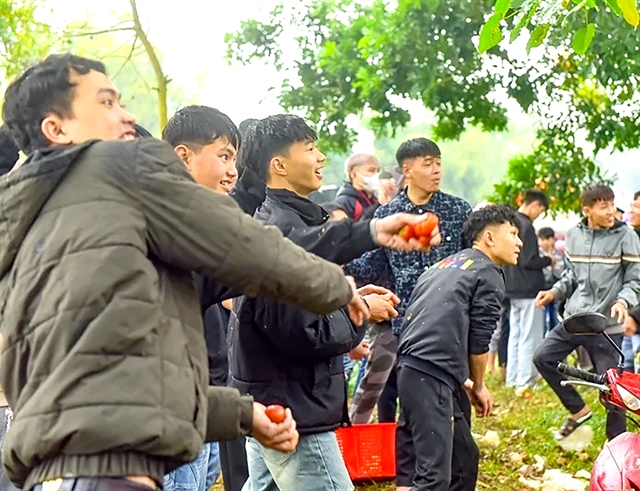
The annual Tomato Festival in Thanh Hóa Province featured huge number of people who wished to have a lucky and prosperous new year.
The Tết (Lunar New Year) Book Fair, one of the favourite attractions in HCM City during the year's most special holiday, welcomed more than one million visitors from February 15-22, or December 28 to January 6 of the lunar calendar.
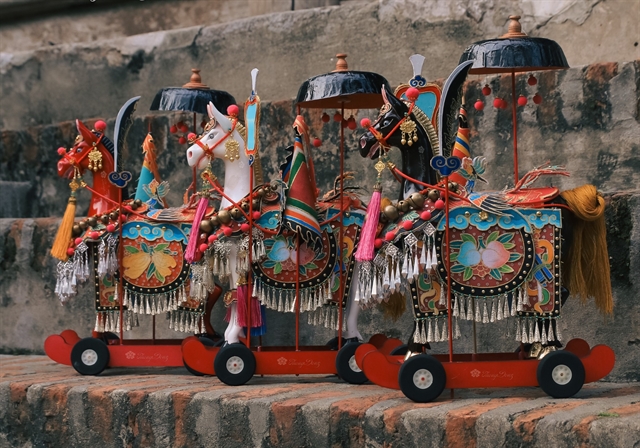
The return of this traditional toy not only awakens the nostalgia of Vietnamese childhood but also revives cultural values that seem to have faded away.
Theatres lights up the stage in Hà Nội offering a vibrant lineup that blends tradition with modern to welcome audiences throughout the first Lunar month.
The south-central province of Khánh Hòa set a target of welcoming 33 million visitors by 2030, with international visitors accounting for 40-45 per cent, according to its Tourism Development Strategy for the period 2026-2030, with a vision to 2045.
For Vietnamese people, the Kinh, Tày, Nùng, Dao and Mông ethnicities included, the rooster can be a bridge between the human world to the world of Gods. It is the chosen thing to represent the best wishes of the living to their passed ancestors.
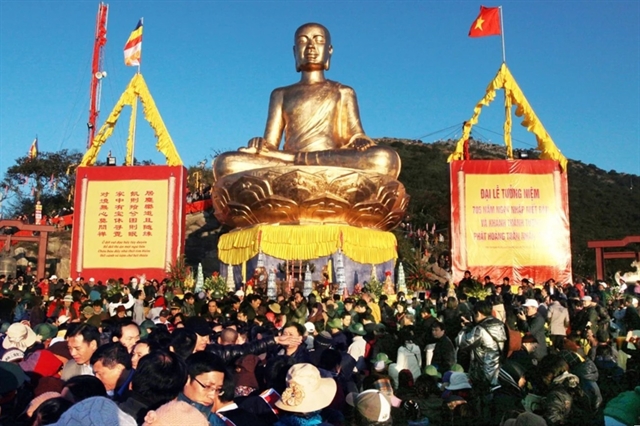
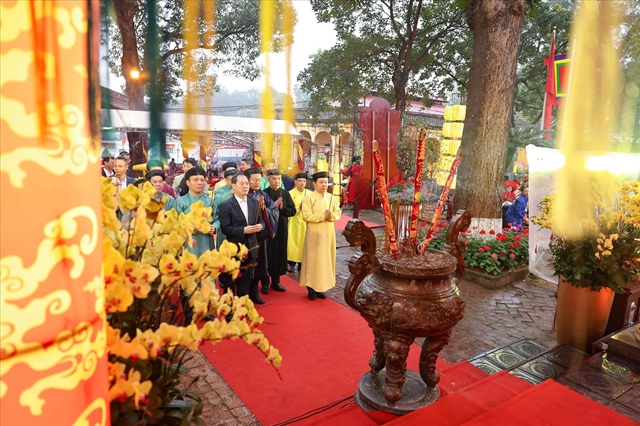
From solemn rituals at sacred temples to vibrant folk games by the water’s edge, Quảng Ninh’s festival season offers a dazzling journey through history, culture, and spiritual tradition.
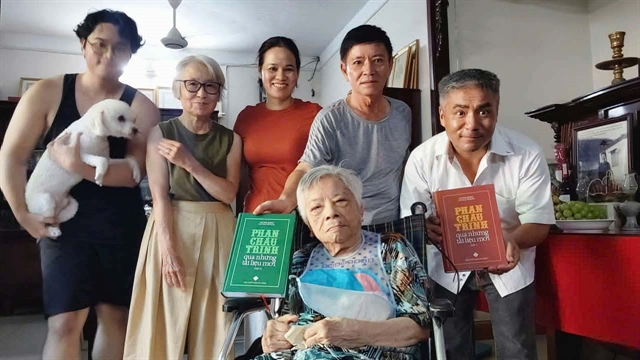
A book on Vietnamese scholar and reformer Phan Châu Trinh (1872-1926), Phan Châu Trinh through latest documents by Lê Thị Kinh, a grand-daughter of Phan Châu Trinh, has been translated into Japanese and the book would be published on the 100 th anniversary of his death (March 24 of 1926-2026).
.jpg)