 Opinion
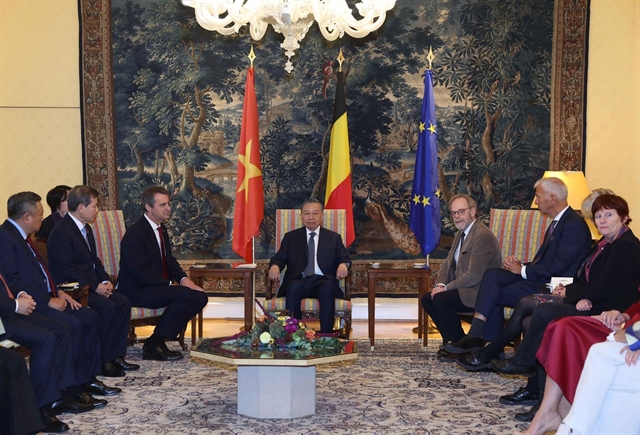
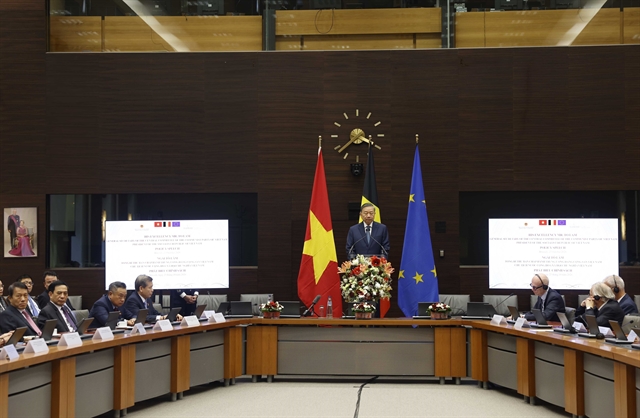
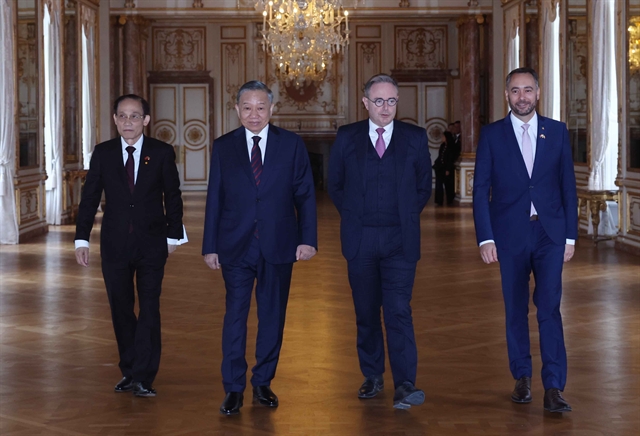
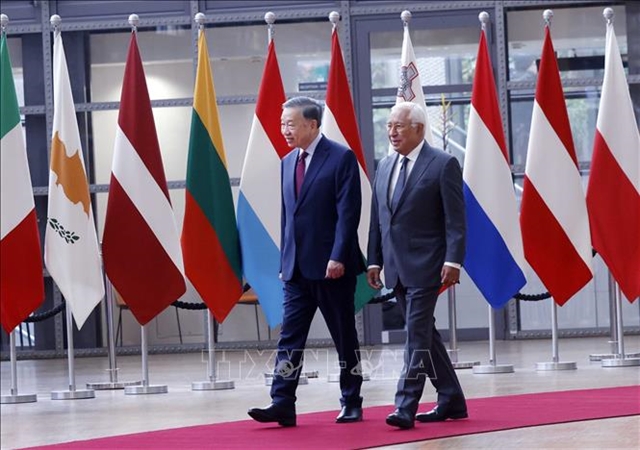
Top Vietnamese leader meets with Belgian Senate Speaker, House President
1.
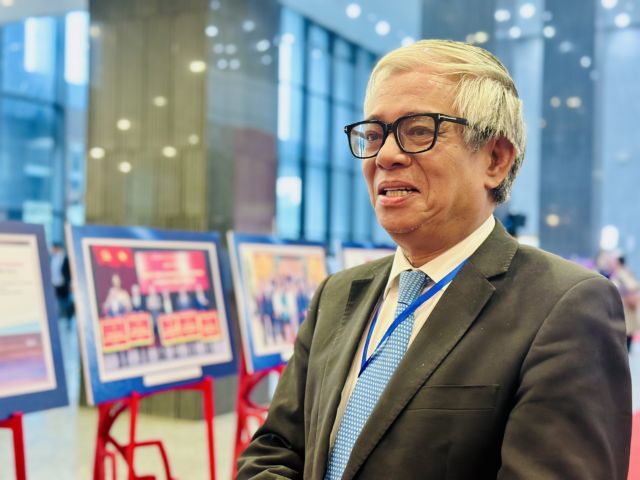 |
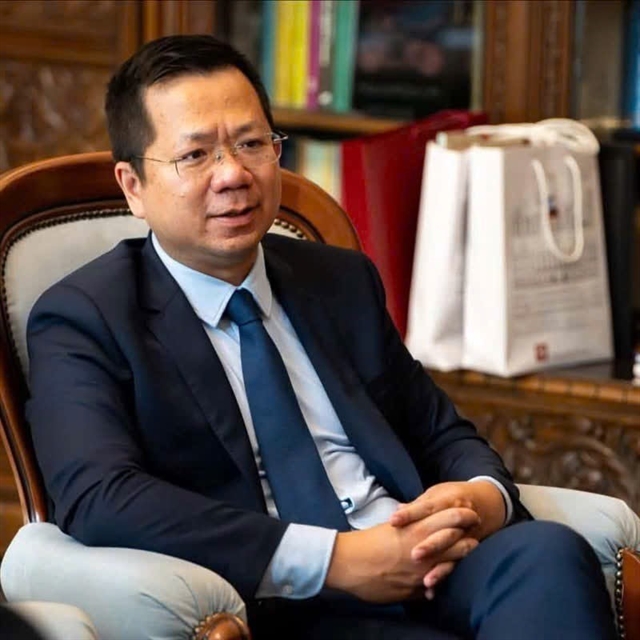
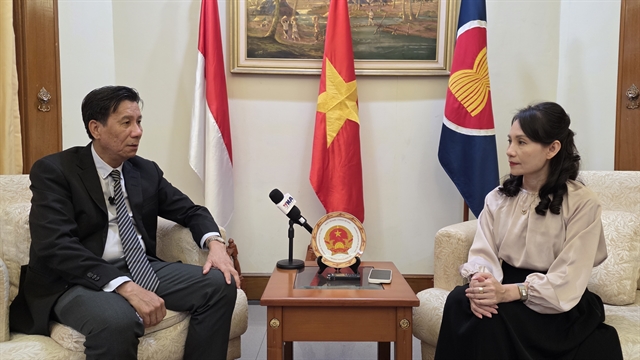
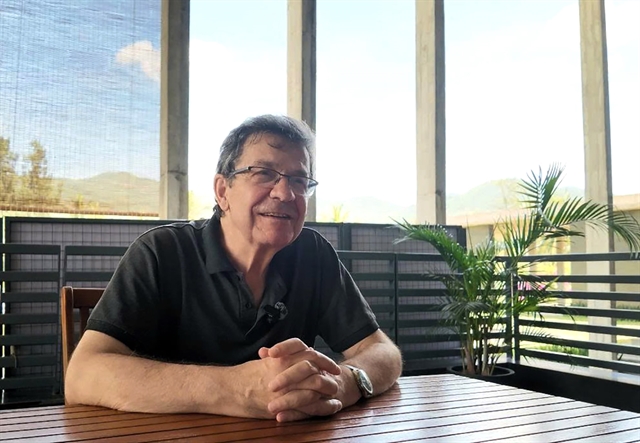
| Ambassador Phạm Quang Vinh, former Deputy Minister of Foreign Affairs. — VNA/VNS Photo |
HÀ NỘI — The Politburo’s Resolution 06, issued on May 19, 2026, sets out a new strategic vision for Việt Nam’s external affairs. Diplomacy must now directly fuel national development capacity, moving far beyond its traditional role of protecting independence and sovereignty. The Party is demanding strict enforcement discipline, backed by regular inspection and oversight of the resolution’s rollout.
Ambassador Phạm Quang Vinh, former Deputy Minister of Foreign Affairs, stressed that Resolution 06 should not be seen in isolation. Rather, it is tightly interwoven with Resolution 59 on global integration and other strategic Party resolutions on sci-tech, innovation, and foreign investment attraction.
“Together, these resolutions form a united policy framework in which foreign affairs and global integration serve as connectors, pathfinders, and direct contributors to national development goals”, Vinh said.
That policy coherence lays a solid theoretical foundation to turn Party General Secretary and State President Tô Lâm’s direction into action: shift from merely 'attracting' resources to selectively upgrading their quality, with sci-tech, innovation, and green transformation as the core pillars.
The systemic shift has also supercharged economic diplomacy, pushing it to build a strategic national investment platform capable of delivering far more self-reliance and sustainability.
Commenting on this landmark transition, Assoc. Prof. Dr. Nguyễn Ngọc Toàn, Director of the Institute of Political Economy at the Hồ Chí Minh National Academy of Politics, said the new mindset requires a move from administrative management to a development-oriented governance model driven by measurable outcomes.
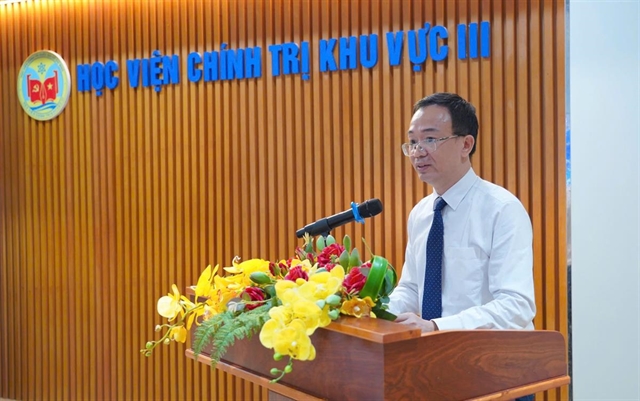 |
| Assoc. Prof. Dr. Nguyễn Ngọc Toàn, Director of the Institute of Political Economy at the Hồ Chí Minh National Academy of Politics. — Photo dangcongsan.vn |
Foreign investment attraction must be embedded in a national development strategy that aims to build industrial clusters, integrated value chains, and innovation ecosystems that cut across administrative boundaries and end fragmented competition among localities.
Echoing this view, Vinh said in the new growth stage, the ultimate goal is not just fast but quality economic expansion. To win it, Việt Nam's foreign affairs sector must proactively build a domestic ecosystem that can pull in next-generation foreign direct investment (FDI) such as high-tech and high-value-added projects that come with meaningful technology transfer.
To make it work, Toàn is calling for special investment procedures paired with a post-audit mechanism, gradually swapping traditional incentives for support tied to actual project performance. That results-based model forces investors to fully deliver on localisation and technology transfer commitments, creating a screen mechanism that filters out low-quality projects and maximises national interests.
But big policy shift turns mean little without discipline across the whole political system, and that determination is already turning into action. On July 9, 2026, the Ministry of Foreign Affairs convened its first inter-agency meeting under a new coordination mechanism to review and accelerate Việt Nam’s international commitments and agreements. The session marked a decisive pivot from prioritising the signing of deals to enforcing what has been signed. For the first time, reviewing, monitoring and speeding up implementation have been written directly into the 14th National Party Congress’s documents.
To modernise governance capacity, the ministry launched a digital monitoring system that tracks the delivery of more than 1,000 international agreements not classified as state secrets in real time. Tighter inter-agency coordination and digital tools now assign lead agencies, responsibilities, timelines, and measurable outcomes, while enabling authorities to spot and clear bottlenecks fast, cutting through overlap and execution delays.
Sustained negotiations and disciplined follow-through are piling up milestones. On July 2, 2026, Việt Nam and the European Free Trade Association’s member states issued a joint communiqué announcing that they had concluded negotiations on a Free Trade Agreement after 14 years.
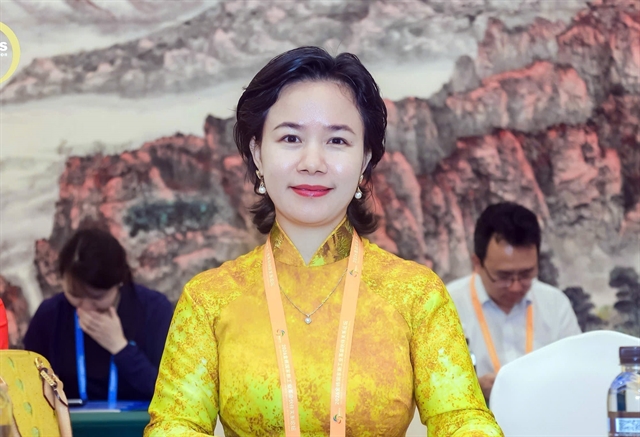
Foreign Ministry spokeswoman Phạm Thu Hằng called the deal historic, lifting Việt Nam’s FTA count to 18, forging deeper connectivity with Europe and opening new opportunities for enterprises.
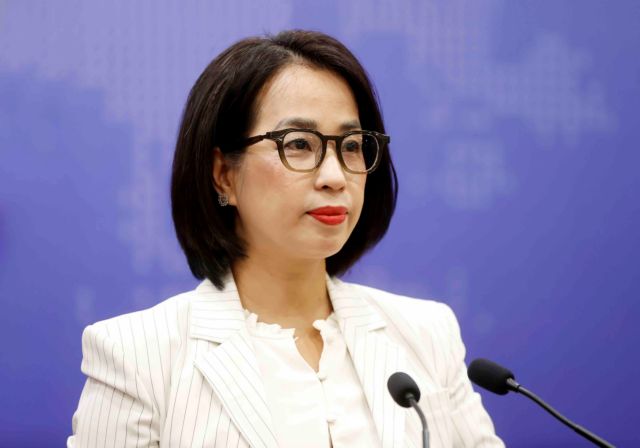 |
| Foreign Ministry spokeswoman Phạm Thu Hằng. — VNA/VNS Photo |
Immediately after talks concluded, the agreement, together with other high-level international commitments, will be fed into the country's digital monitoring system to drive effective results, turning political pledges into tangible flows of technology, green capital, and advanced know-how that support national development.
Taken together, Việt Nam’s external affairs are showing how a development-oriented mindset and disciplined policy enforcement is redefining the country’s global standing.
By strengthening domestic capacity and converting policy commitments into concrete action in line with Resolution 06, the ringing echo of Việt Nam’s 'powerful gong' will only grow louder, steering the country to confidently stand shoulder to shoulder with the world's leading powers in the new era. — VNA/VNS
Opinion
 Opinion
 Opinion
.jpg) Opinion
Opinion
 Opinion
 Opinion
 Opinion
 Opinion
 Opinion
 Opinion
 Opinion
 Opinion
 Opinion
 Opinion
 Opinion