 Opinion
Project lays foundation for digital greenhouse gas emissions data management
1.
|
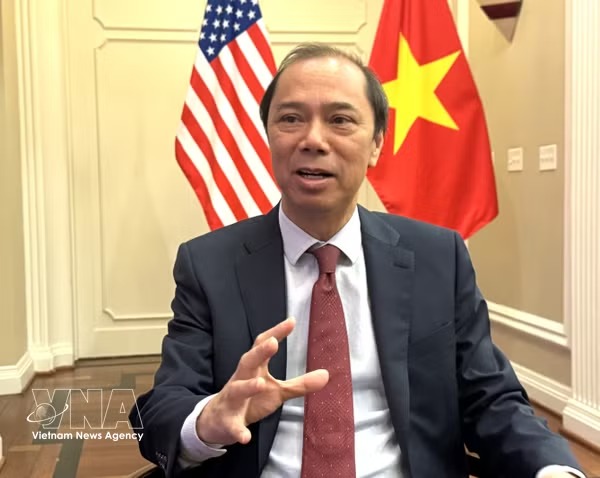
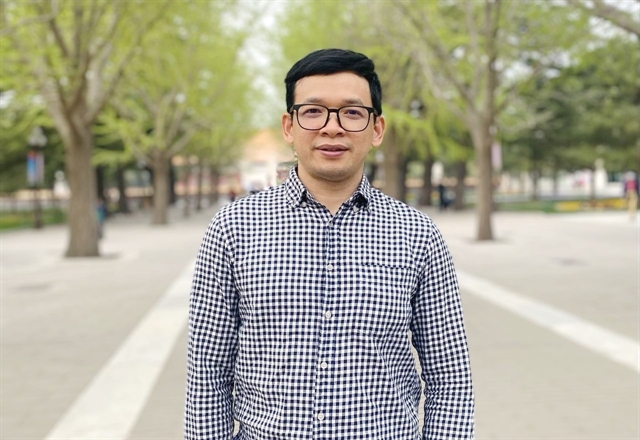
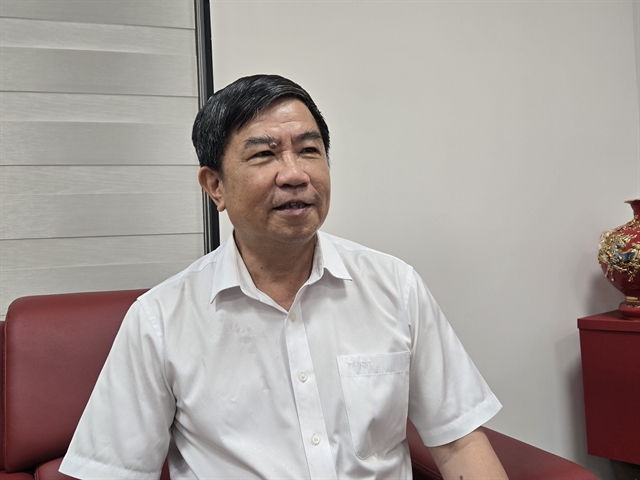
| Vietnamese Ambassador to the US Nguyễn Quốc Dũng. — VNA/VNS Photo |
WASHINGTON — As the 33rd Diplomatic Conference and the 22nd National Conference on External Affairs are taking place in Hà Nội from August 1-7, Vietnamese Ambassador to the US Nguyễn Quốc Dũng said Vietnamese diplomacy is entering an important transition, shifting from expanding relations and enhancing the country's international standing to mobilising resources for national development in the new era.
In an interview with Vietnam News Agency correspondents in Washington D.C., Dũng stated that over nearly four decades, the thinking and criteria for assessing the effectiveness of foreign affairs have evolved rapidly alongside the country's development. In the past, diplomacy focused on helping break the blockage and embargo, normalise and expand international relations, and create a favourable environment for the Đổi Mới (Renewal) process. Today, the key task is to turn diplomatic achievements into development capacity, competitiveness, economic autonomy and resilience.
He stressed that diplomacy in the new period must go beyond expanding relations and strengthening political trust to mobilise technology, capital, knowledge, governance and markets to directly serve national development. At the same time, Việt Nam's core diplomatic principles remain unchanged, including steadfastly pursuing the foreign policy of independence and self-reliance, placing national interests first, maintaining a peaceful and stable environment, and proactively adapting to global changes.
In the context of science and technology, innovation, digital transformation and high-quality human resources emerging as new growth drivers, development-focused diplomacy should be placed at the centre, he said, highlighting economic diplomacy, science-technology diplomacy and innovation diplomacy as breakthrough areas to attract new projects, technologies, markets and resources for the country.
The ambassador noted that the effectiveness of foreign affairs should no longer be measured merely by the number of cooperation frameworks or high-level visits, but by the concrete resources, conditions and capabilities generated for Việt Nam's development, as well as the domestic economy's capacity to absorb and utilise them.
Regarding Việt Nam-US relations, Dũng described the US as a particularly important partner in the fields of economy, finance, science and technology, and innovation. Under President Donald Trump's second administration, trade, tariffs, economic security, advanced technology and supply chains have become key issues, presenting both opportunities and challenges for Việt Nam.
It requires the Vietnamese Embassy in the US to strengthen its monitoring, forecasting, policy advisory and connectivity capabilities, and assess the impact of US policy developments on Vietnamese ministries, localities and businesses to promptly propose responses and solutions to expand cooperation, he said.
Development-focused diplomacy also depends on domestic preparedness, from clearly identifying needs for technology, investment and human resources to ensuring the capacity to receive and implement cooperation projects, he added.
The ambassador highlighted the Vietnamese community in the US, particularly intellectuals, experts and entrepreneurs, as an important resource for national development. He called for concrete cooperation programmes and clear mechanisms to turn their initiatives and connections into practical outcomes.
Dũng also stressed the need to reform the operations of Vietnamese representative missions abroad, shifting from broad-based to targeted connectivity, strengthening host-country analysis, strategic forecasting and early warning capabilities, and establishing regular coordination with domestic agencies, localities and businesses.
Investing in diplomatic personnel, he said, is ultimately an investment in Việt Nam's capacity to mobilise external resources, safeguard national interests and achieve its development goals for 2030 and 2045. — VNA/VNS
Opinion
.jpg) Opinion
Opinion
 Opinion
 Opinion
 Opinion
 Opinion
 Opinion
 Opinion
 Opinion
 Opinion
 Opinion
 Opinion
 Opinion
.jfif) Opinion
Opinion
 Opinion