.jpg) Opinion
Opinion
HCM City addresses manufacturing, land hurdles for Q4 growth push
1.
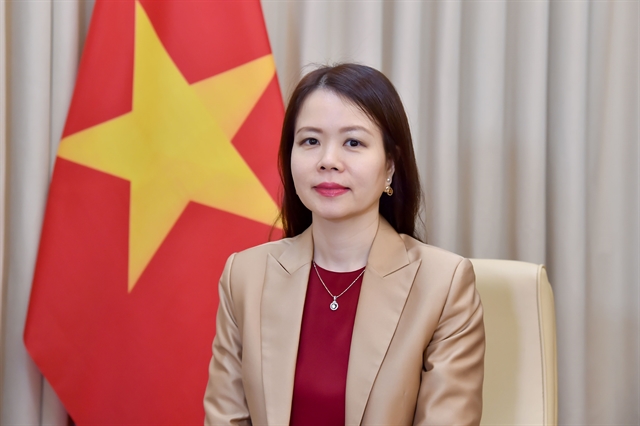 |
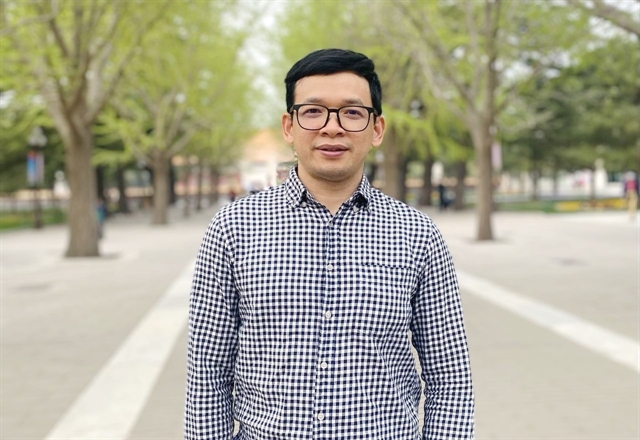
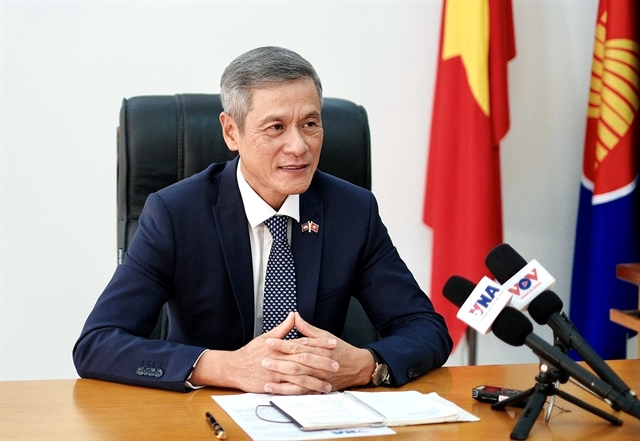
| Deputy Minister of Foreign Affairs Nguyễn Minh Hằng. — VNA/VNS Photo |
HÀ NỘI — The 33rd National Diplomatic Conference marks a pivotal milestone for the diplomatic sector in shifting decisively from awareness to action, from policy to implementation and from frameworks to tangible outcomes, said Deputy Minister of Foreign Affairs Nguyễn Minh Hằng in an article written ahead of the event.
In the article titled ‘Building consensus, renewing mindsets and contributing to the achievement of national development goals’, Hằng wrote: “Every external relationship should create new opportunities for cooperation; every agreement should be translated into concrete programmes, projects and deliverables; and every diplomatic activity should generate practical value for the country, its people and its businesses.”
As the country enters a new stage of development, foreign affairs in general and the diplomatic sector in particular have been entrusted with a new mission: to play a pioneering, pivotal, and enduring role in advancing the nation's growth and development goals, she said.
This is also the central theme of the 33rd National Diplomatic Conference, 'Promoting the pioneering role and fulfilling the pivotal and enduring mission of Việt Nam's foreign affairs in the new era'.
The conference provides an opportunity for the entire diplomatic sector to build consensus, renew its thinking and identify action-oriented tasks and solutions that will directly contribute to achieving the country's development objectives through 2030, with a vision toward 2045.
Diplomacy today must go beyond opening new markets or attracting more investment. It should help connect technology, finance, energy, data, knowledge, and high-quality human resources, while translating political trust and existing bilateral and multilateral frameworks into concrete cooperation programmes, investment projects, research centres, training initiatives and production partnerships, she said.
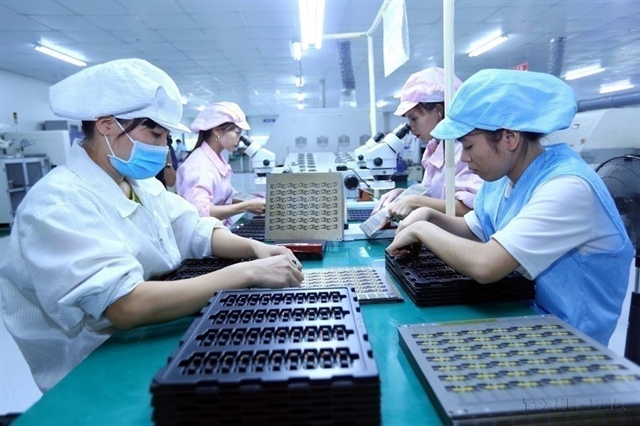
Hằng highlighted a key new dimension of this mission, which is to pave the way into emerging fields of development. Artificial intelligence, semiconductors, data, biotechnology, quantum technology, new energy and advanced materials are reshaping economic structures, production models and the global balance of power.
She proposed the diplomatic sector stay ahead of these trends by identifying emerging developments early, providing proactive policy advice, and strengthening international partnerships so that Việt Nam can progressively acquire, master and enhance its capacity to commercialise strategic technologies.
This will enable the country to move up global value chains and contribute to shaping new international norms and cooperation frameworks. This marks a fundamental shift - from safeguarding the country's development space to helping build its development capabilities and from participating in markets to gradually helping shape them, she said.
Boosting growth resources
Hằng said the task at hand is to effectively translate the outcomes of foreign affairs, particularly high-level diplomatic engagements, into tangible resources, programmes, and projects, making implementation outcomes the foremost measure of diplomacy in support of national development.
To achieve this, the first priority is to further deepen and substantiate existing partnership frameworks, making economic cooperation, science and technology, innovation and digital transformation increasingly central to all foreign affairs activities.
Every official visit and cooperation mechanism should be closely aligned with the country's development needs and partners' comparative strengths, focusing on the right sectors and projects with the greatest potential for broad-based impact.
She said: "Following the signing of agreements, clear focal points, implementation timelines and responsibilities must be assigned, while regular monitoring and follow-up should be strengthened to ensure that cooperation opportunities and commitments are translated into concrete action without delay."
Việt Nam must also reinvigorate its traditional drivers of growth.
The country's extensive network of free trade agreements and economic cooperation frameworks represents a strategic asset that should be leveraged more effectively.
Expanding market access must go hand in hand with removing barriers, meeting emerging standards, building strong brands, and increasing value-added production. Investment promotion should also shift its focus from quantity to quality, prioritising high-tech projects, research and development, technology transfer, workforce training, and stronger linkages with domestic enterprises, she said.
Sci-tech diplomacy
She added that science and technology diplomacy must become a spearhead of Việt Nam's comprehensive and modern diplomacy and a central pillar of development-oriented diplomacy in the new era.
The deputy minister pointed out that science, technology, innovation and digital transformation should become priority areas of cooperation with partners that possess relevant strengths, with a focus on strategic technologies aligned with Việt Nam's needs, potential and comparative advantages.
Building on existing political frameworks and partnerships, the Ministry of Foreign Affairs should work closely with relevant stakeholders to promote joint research programmes, human resource development, the establishment of research and development centres, as well as technology testing, transfer and commercialisation.
She proposed that greater efforts are needed to connect Vietnamese enterprises with leading global technology corporations, research institutes and universities with the world's premier centres of knowledge; and domestic projects with international investment funds and networks of experts. These linkages should form an integrated innovation chain, from research to application, and from technology to capital and markets, so that cooperation outcomes are effectively translated into production, new products and enhanced competitiveness.
Việt Nam should make more effective use of the intellectual resources of the global Vietnamese community. Overseas representative missions should proactively build networks of Vietnamese scholars, scientists, experts, and entrepreneurs in their respective host countries and fields of expertise, linking them with the country's major development priorities through long-term programmes with clear objectives and measurable outcomes, she said.
People-centred approach
The achievements of foreign affairs only attain their full value when they are translated into tangible benefits for the country, its people, and its businesses.
“Enterprises are the key actors that transform market opportunities, capital, and technology into products, jobs and added value. Localities are where cooperation programmes and projects are received and implemented, while the people are both the beneficiaries of and active participants in the country's integration process,” she said.
Development-oriented diplomacy must support businesses throughout their entire journey - from providing market intelligence, early warnings and partner due diligence to facilitating initial connections, removing barriers, safeguarding their legitimate rights and interests, building brands, and expanding their presence abroad, she said.
Việt Nam's overseas representative missions must truly serve as agile 'antennas' for monitoring policy developments, market trends and technological advances, while acting as focal points for connecting resources and as reliable partners for local authorities and businesses, she said. — VNS
Opinion
 Opinion
 Opinion
 Opinion
 Opinion
 Opinion
 Opinion
 Opinion
 Opinion
 Opinion
 Opinion
.jfif) Opinion
Opinion
 Opinion
 Opinion
 Opinion