 Opinion
MoIT to build system to flag unusual fuel price movements
1.
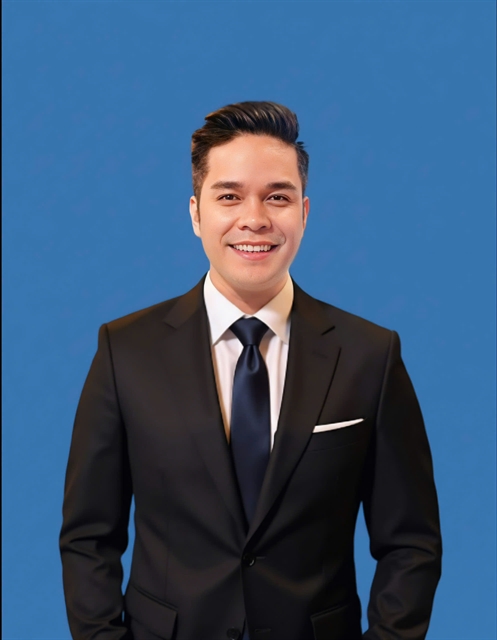 |
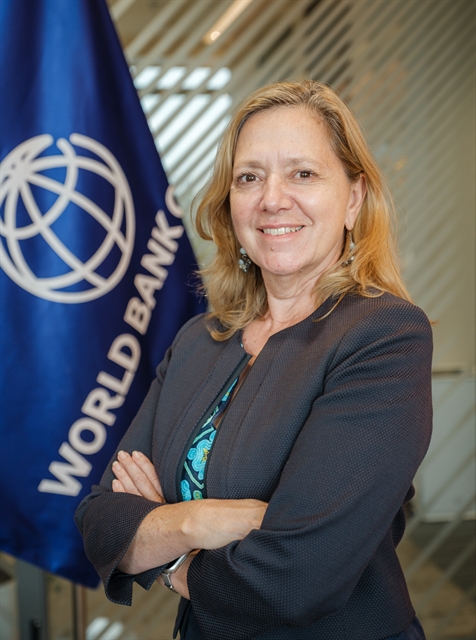
| Tạ Duy Linh, director of the Institute for Economic and Tourism Development Studies. — Photo courtesy of Tạ Duy Linh |
HCM City's boundary merger with Bà Rịa-Vũng Tàu and Bình Dương has expanded its tourism horizon. In an interview with Việt Nam News, Tạ Duy Linh, director of the Institute for Economic and Tourism Development Studies, explains why the city's future lies in integrating urban, river and coastal tourism into a single destination.
What does the expanded coastal space mean for HCM City's tourism industry?
The expanded coastline represents far more than additional tourism resources. It creates an opportunity to reshape the city's tourism growth model by connecting urban attractions, river tourism and coastal destinations into a single journey.
HCM City's greatest opportunity lies not in having a longer coastline, but in reimagining tourism as an integrated urban-river-sea ecosystem.
The more important shift is from pursuing visitor numbers to creating greater value.
Premium segments such as luxury resorts, wellness, cruise tourism, MICE and marine recreation can increase visitor spending while generating wider benefits for hospitality, retail, transport and other service industries.
Tourism should become a driver of broader economic growth rather than remaining standalone sector.
How should destinations such as Vũng Tàu, Long Hải, Hồ Tràm and Côn Đảo be positioned?
Rather than competing with one another, these destinations should complement each other under a "one brand, multiple experiences" strategy.
Vũng Tàu can strengthen its role as an urban seaside destination with entertainment and festivals.
Long Hải is suited to community-based tourism and relaxed coastal experiences, while Hồ Tràm has clear advantages in luxury resorts, golf and wellness.
Côn Đảo should continue to focus on marine ecology and historical heritage.
Their diversity could become one of HCM City's greatest tourism assets.
Why will infrastructure become a catalyst for tourism growth?
Infrastructure changes more than travel time—it changes visitor behaviour.
With new expressways, Long Thành International Airport and upgraded ports, HCM City can evolve from a transport gateway into an integrated destination.
Visitors will be able to combine business, culture, river cruises and beach holidays within a single itinerary.
This integration naturally encourages longer stays and higher spending by expanding opportunities for accommodation, dining, shopping, entertainment, wellness and marine activities.
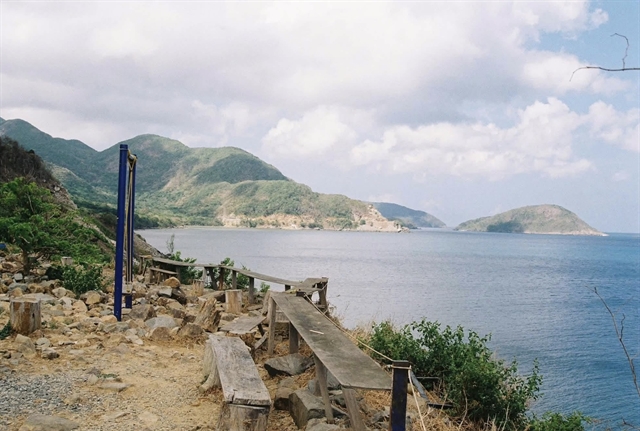 |
| Côn Đảo's pristine coastline and rich marine ecosystem make it a cornerstone of HCM City's vision for sustainable, high-value coastal tourism. — VNS Photo Văn Châu |
How can sustainability strengthen competitiveness?
Net Zero is becoming more than an environmental commitment; it is emerging as a new benchmark for tourism competitiveness.
Sustainable coastal tourism requires an entire low-carbon value chain covering transport, accommodation, energy use and waste management.
Equally important is respecting ecological carrying capacity so that development does not undermine the natural resources on which tourism depends.
Protecting coastal ecosystems should be viewed as an investment in the city's long-term competitiveness.
The city's competitiveness will depend less on geography itself than on its ability to connect infrastructure, tourism products, environmental stewardship and destination governance into a coherent development strategy.
Which tourism segments offer the greatest potential?
High-value tourism should become the city's priority.
MICE combined with coastal leisure could become a flagship product by extending business trips into resort stays.
Wellness tourism also offers strong growth potential as international demand continues to rise.
Cruise tourism, marine sports, eco-tourism and the night-time economy can further increase visitor spending by creating richer experiences throughout the day.
The objective is not simply to develop more products, but to integrate them into seamless visitor journeys.
What policies will determine whether this vision succeeds?
Three priorities stand out.
First, HCM City needs unified destination governance to coordinate planning, branding, infrastructure and tourism management across its expanded territory.
Second, investment should focus on high-value, low-carbon projects such as cruise terminals, marinas, green resorts and wellness facilities.
Finally, tourism products should be designed as connected experiences linking urban districts, rivers, beaches and islands rather than as isolated attractions.
HCM City has gained far more than a longer coastline. It now has an opportunity to redefine its tourism identity through integration, sustainability and higher-value experiences.
If these strengths are effectively connected, the city can position itself as one of Asia's most competitive urban-coastal destinations. — VNS
Opinion
 Opinion
 Opinion
 Opinion
 Opinion
 Opinion
 Opinion
 Opinion
 Opinion
 Opinion
 Opinion
 Opinion
 Opinion
 Opinion
 Opinion