 Opinion

Korean folk art meets digital media in Hà Nội
1.
|
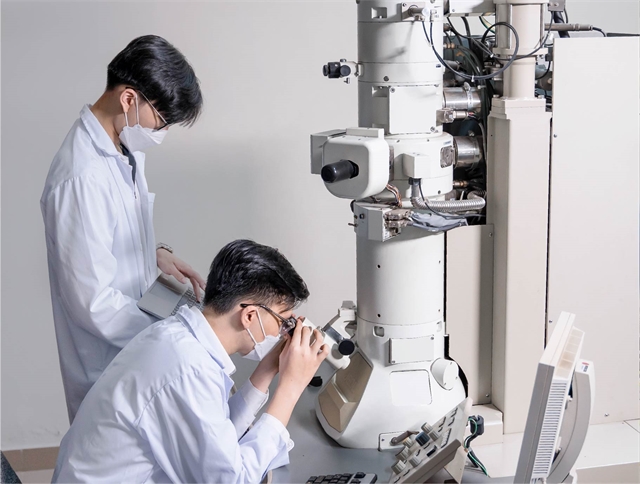
| Government, university, industry links give students more time in real-world workplaces. — Photos courtesy of the Government Portal |
HÀ NÔỊ — Policy bottlenecks need to be removed quickly to turn the Politburo's Resolution 57 on science, technology and innovation into tangible results, according to a leading university rector.
Professor Mai Thanh Phong, head of HCM City University of Technology under Vietnam National University HCM City, said the resolution's success hinges on three priorities, including developing high-quality human resources, strengthening cooperation between the government, universities and businesses, and completing the legal and policy framework needed for implementation.
"The initial hurdle of awareness has been overcome. What institutions are waiting for now are concrete policies," Phong told baochinhphu.vn.
He said the resolution had made science and technology a national strategic priority, giving universities and research institutes greater confidence to invest in research and innovation.
But broad policy commitments alone are insufficient, he said, warning that they must be translated into clear and practical regulations that research institutions and businesses can apply.
While Việt Nam has made progress in changing perceptions of science and technology, the government still needs to accelerate the drafting of laws, decrees, circulars and implementation guidelines to provide a coherent legal framework, he added.
Talent key to success
Phong said high-quality human resources remain the decisive factor in delivering the goals of Resolution 57.
Universities and research institutes should focus investment on their strongest disciplines rather than spreading resources too widely, while building strong teams of scientists, he said.
Higher education institutions also need policies to attract and retain talented researchers by offering transparent career paths, competitive remuneration, adequate research facilities and an environment that encourages innovation.
Many scientists working overseas have long wanted to return home but were discouraged by research conditions and institutional constraints, Phong said. As policies improve and professional opportunities expand, more are choosing to return.
He cited the university's VNU350 programme, which has recruited 30 young scientists over the past three years, or about 10 each year. While the programme has shown encouraging results, retaining researchers will require further improvements to research conditions and career development opportunities, he said.
Phong also called for stronger collaboration between government, universities and businesses, particularly in engineering and technology.
Companies should play a greater role in designing curricula, providing internships, sharing industry expertise and commissioning research projects, he said.
Early business involvement would expose students to real-world working environments while enabling researchers to address market-driven challenges, helping narrow the gap between research and commercial application.
|
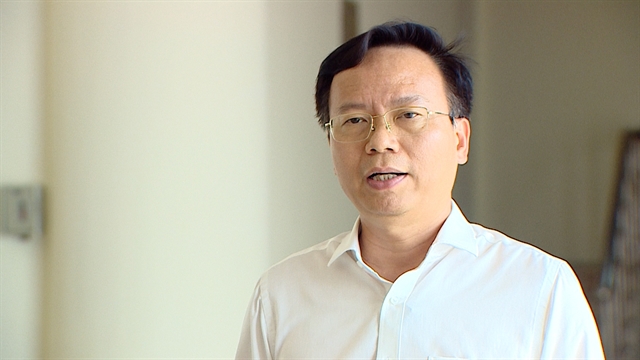
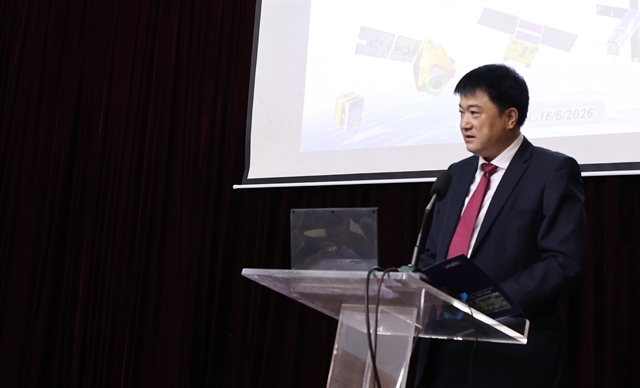
| Professor Mai Thanh Phong, head of HCM City University of Technology under Vietnam National University HCM City. |
Many research projects still fail to reach production because companies are not involved from the outset, he said. Engaging businesses in defining research priorities and adopting research outcomes would significantly improve technology transfer.
He added that stronger cooperation would also require continued government support through policies that encourage private investment in research and innovation while fostering a sustainable innovation ecosystem.
Accelerate policy rollout
Phong said the biggest obstacle now is the slow pace of translating policy directions into practical implementation mechanisms.
Among the most urgent reforms is overhauling research funding rules, including project allocation, financial procedures, administrative requirements and the management of research budgets.
He said Việt Nam should shift from a system focused on administrative compliance to one that evaluates research based on outcomes, in line with international practice. Such an approach would give researchers greater flexibility while ensuring accountability for public spending.
Although these reforms have been outlined in policy documents, detailed regulations are still being drafted, leaving universities, research institutes and businesses waiting for the new framework before expanding research and innovation activities.
Once the legal framework is in place, research institutions will have greater scope to innovate, businesses will be more willing to invest in research and development, and scientific advances can be brought to market more quickly, Phong said.
"Resolution 57 has laid an important foundation for science and technology development. The next step is to complete the implementation mechanisms so these policies can deliver real results," he said. — VNS
Opinion
 Opinion
 Opinion
 Opinion
 Opinion
 Opinion
 Opinion
 Opinion
 Opinion
 Opinion
 Opinion
 Opinion
 Opinion
 Opinion


.jpg)