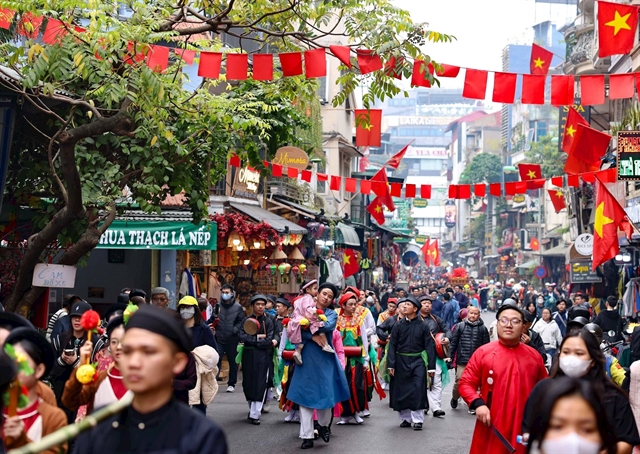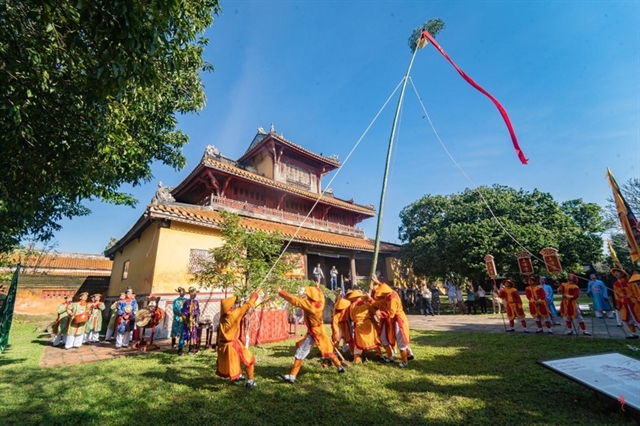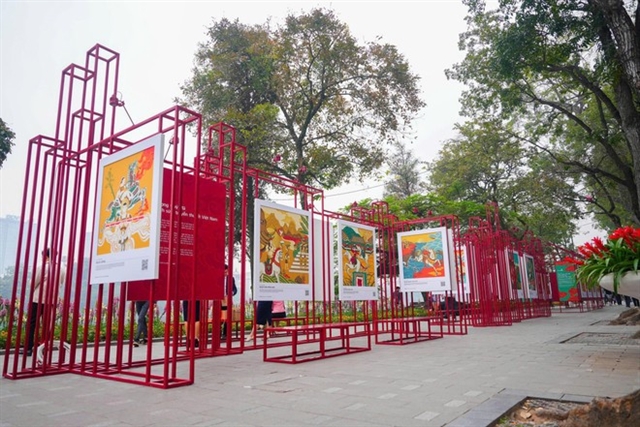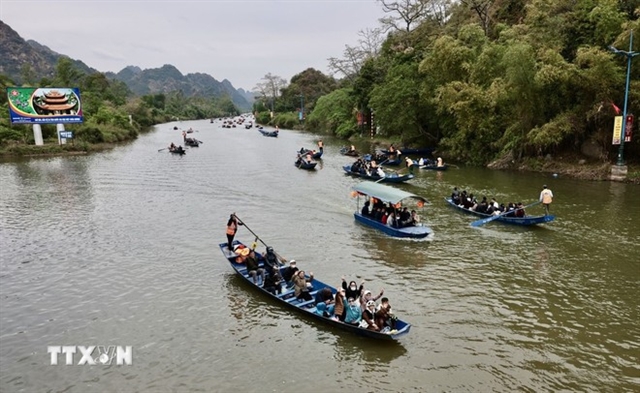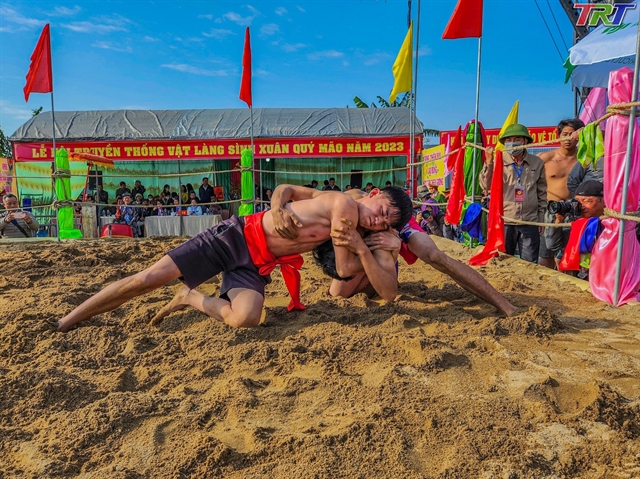
Hà Nội's local residents and tourists will enjoy not only the city's beauty in spring but also free tickets to its must-visit most famous landmarks and sites during Tết.
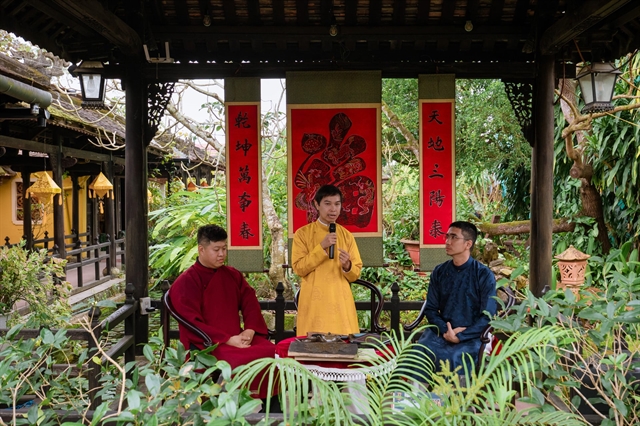
Chuồn Village in Huế was once famed for ‘Liễn’ - decorative calligraphic panels cherished by families from all walks of life. Today, young people are working to revive the craft, adapt it to contemporary life, share it more widely with the public and pass it on to the next generation.
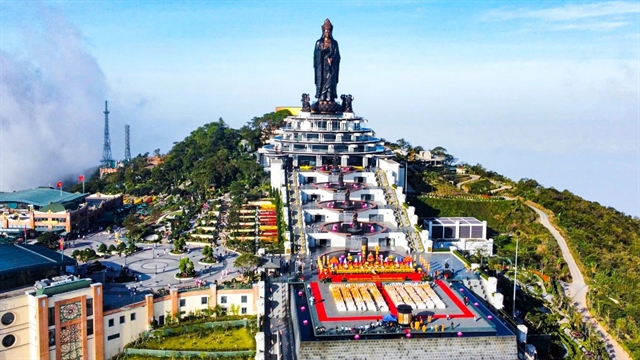
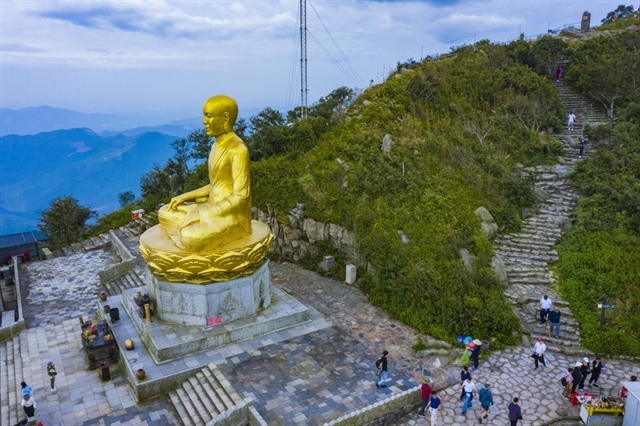
Thousands of visitors have flocked to the annual Tây Ninh Spring Festival held at Bà Đen Mountain National Tourism Area during the Tết (Lunar New Year) holiday.
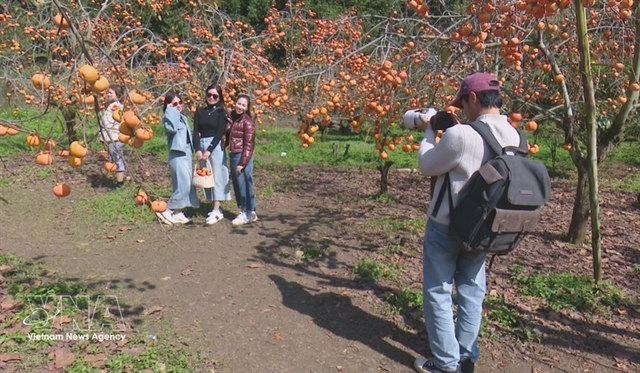
In recent years, alongside the tradition of family reunions during the Lunar New Year (Tết), travelling during the holiday has become increasingly popular. Early spring travel is not merely about sightseeing, it also carries the meaning of seeking good fortune, peace, and cultural experiences across different regions of the country.
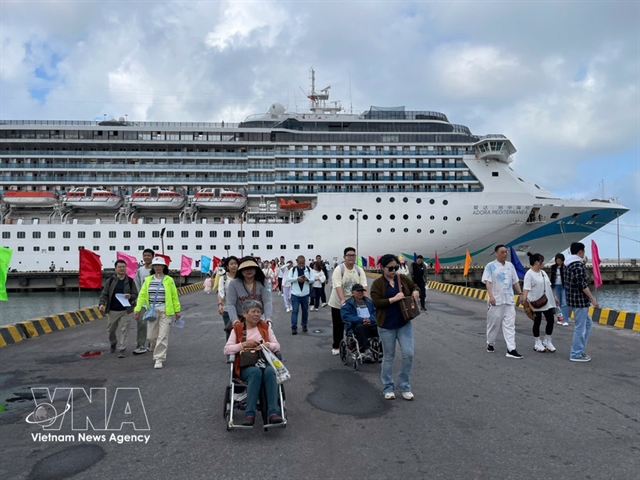
In 2025, Chân Mây Port in Huế welcomed 46 cruise ships with a total of 131,515 passengers and crew members. In 2026, the number of cruise calls is expected to nearly double to around 88, bringing an estimated 260,000 arrivals.
More households in Việt Nam are moving beyond the classic Tết formula of family gatherings, home-cooked feasts, and hosting visitors. Increasingly, they are choosing shared travel as a way to unwind, recharge, and deepen familial ties.
While fireworks and countdown celebrations light up much of the country, New Year’s Eve on Côn Đảo is markedly subdued. At midnight, Côn Đảo becomes an “island of candles” as locals gather at Hàng Dương Cemetery to pay tribute to national heroes.
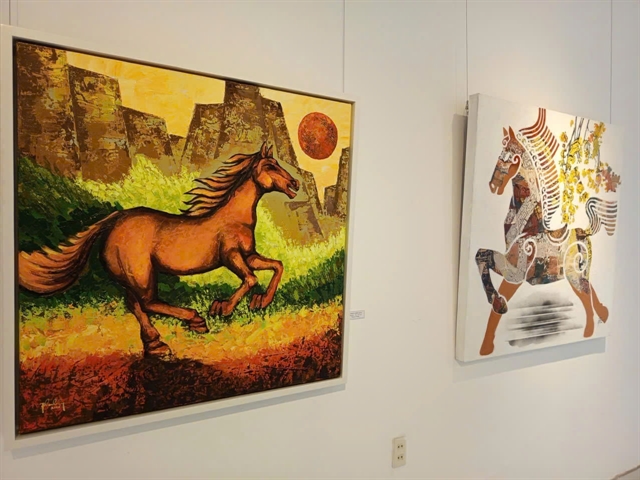
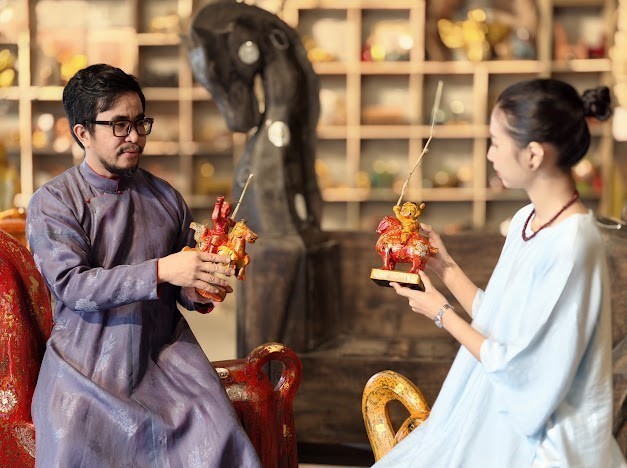
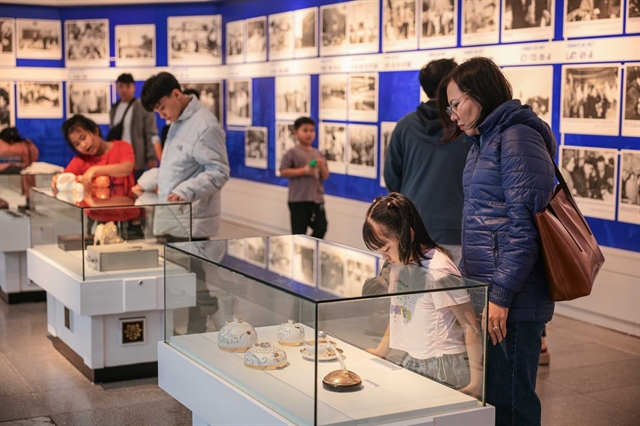
A series of exhibitions, diverse in materials and perspectives, not only celebrate the zodiac animal of the year but also invite visitors on a journey into the cultural, historical, and artistic depth associated with this familiar motif.
Starting from the third day of Tết, locals and travellers from all over the country heading to the North can check out a variety of unique festivals in different areas to enjoy spring trips, go on pilgrimages, and experience the vibrant cultural traditions that are part of Việt Nam's rich heritage.
Many specialists have agreed that the issuance of Resolution 80 is a significant decision that has a profound impact on the entire political, economic and social life, contributing to shaping the stature and cultural identity of Việt Nam in the future.
From wrestling rings to sacred temples, Việt Nam’s central region awakens each spring with centuries-old festivals that pulse with history, martial spirit, and communal joy.
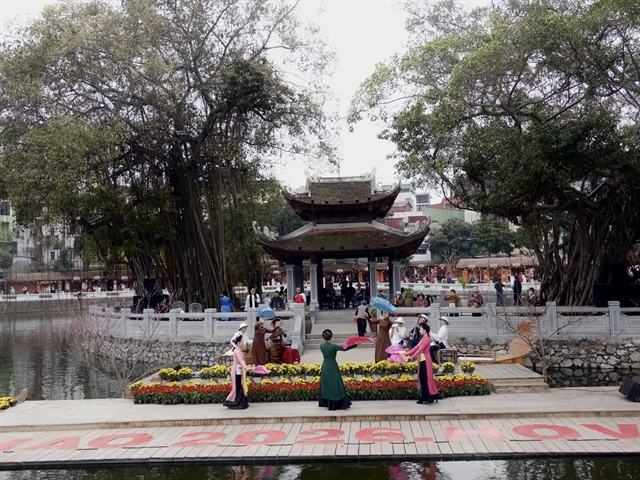
In the vast treasure trove of Vietnamese folk art, xoan singing stands as a unique jewel, inextricably linked to the worship of the Hùng Kings — the nation's legendary founders.
The image of the horse is displayed in different styles, ranging from traditional to contemporary, at two exhibitions in Huế City.
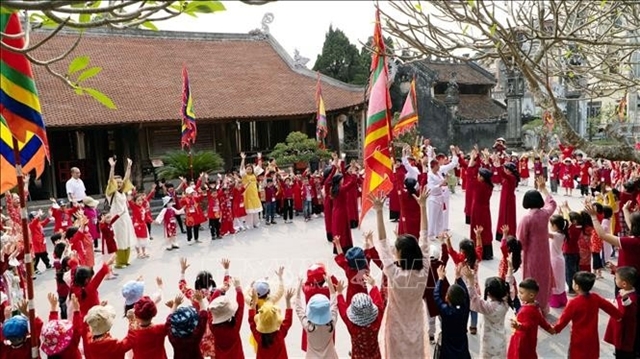
During the Lunar New Year of the Year of the Horse, the ancient village of Đường Lâm Ancient Village (Sơn Tây Ward, Hà Nội) is filled with the colours of spring, spreading across its timeworn brown-tiled roofs.
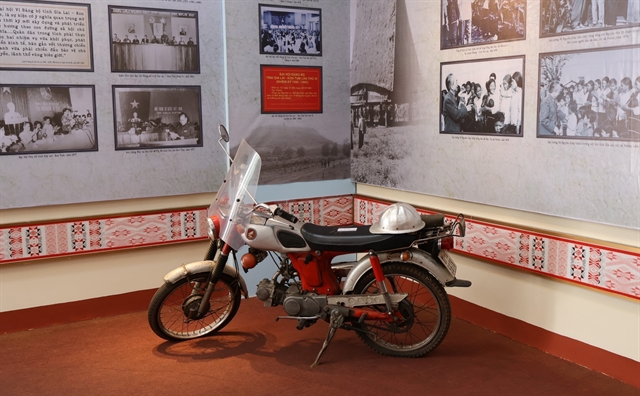
The exhibition runs until March 1 at the Pleiku Museum, located at No 21 Trần Hưng Đạo Street, Pleiku Ward, Gia Lai Province.
On the evening of February 19, 2026 (the third day of the Lunar New Year, Year of the Horse), amid the joyful atmosphere of the early spring days, tens of thousands of people from across the country, along with a large number of international visitors, gathered at Ba Đình Square to enter the Mausoleum and pay their respects to Hồ Chí Minh.
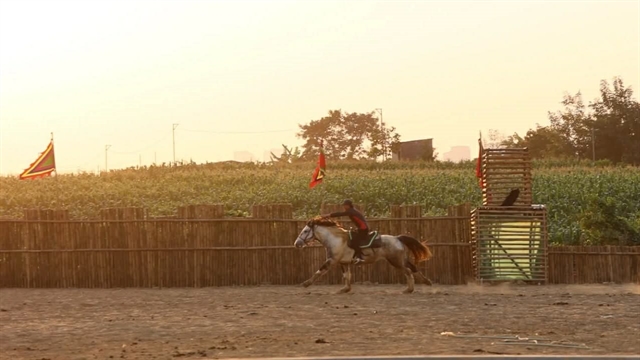
According to the lunar calendar, 2026 is the Year of the Horse. At the Vietnam Archery Horse Club, horses are not just animals for riding or performance. They are companions with deep connections to the people who ride and care for them.
It seeks to reaffirm the diverse tangible and intangible values of Trúc Lâm Zen Buddhism, a distinctly Vietnamese tradition now more than 700 years old.