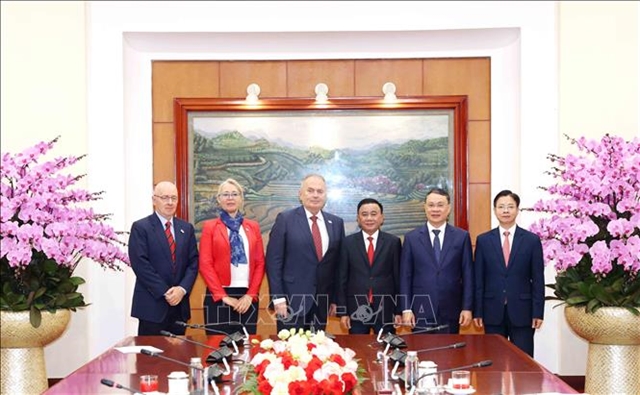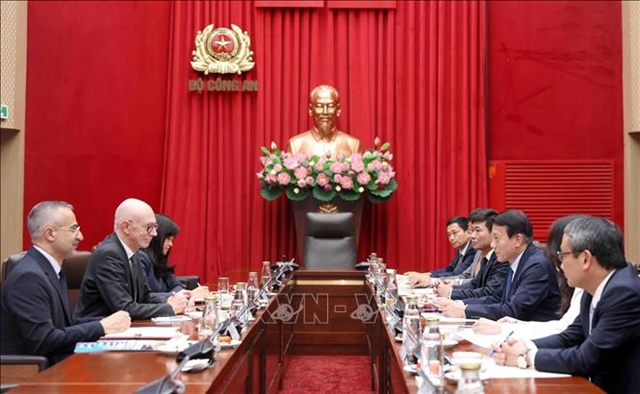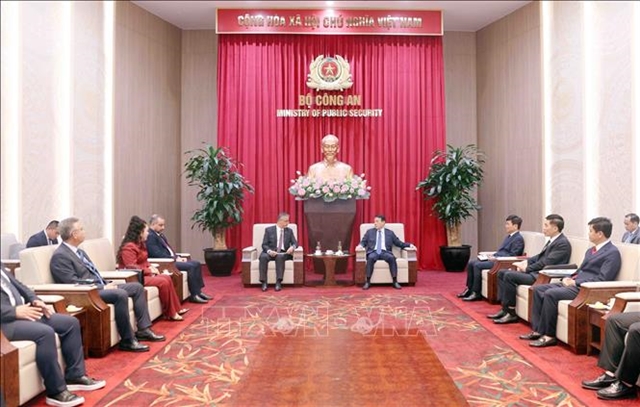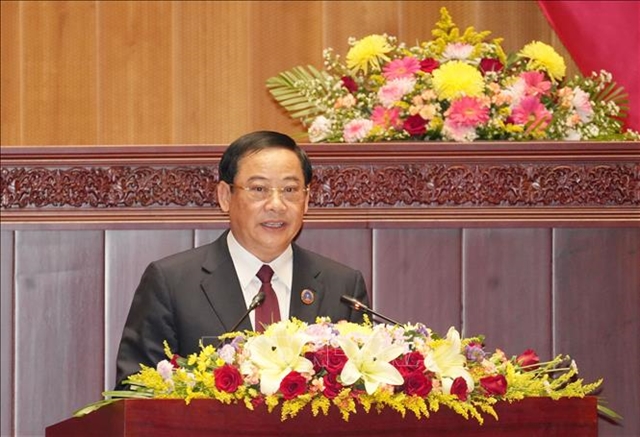
The Vietnamese top legislator noted that bilateral relations have seen remarkable progress, with growing political trust between the two Parties and States.
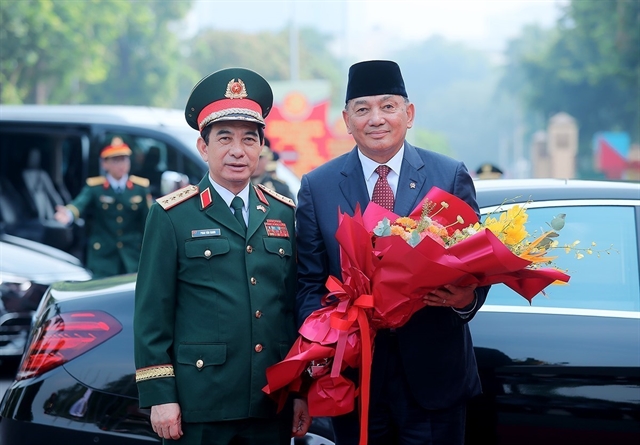
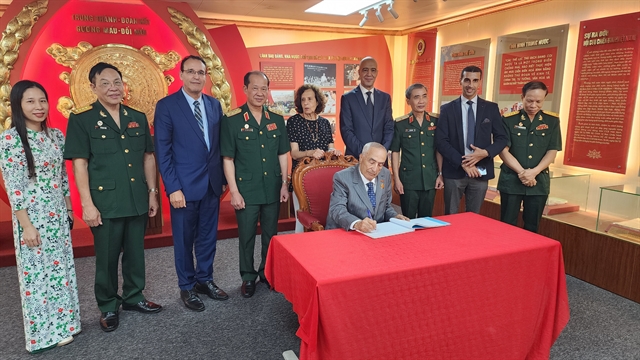
General Phan Văn Giang, Minister of National Defence, noted that the upgrading of bilateral relations to a Comprehensive Strategic Partnership in March 2025 marked a historic milestone, opening a new chapter in the two countries’ relations, in which political, defence and security cooperation areas are key pillars.
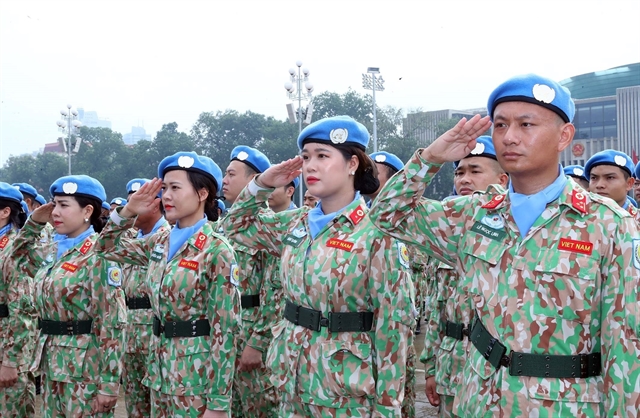
Việt Nam is aiming for up to 20 per cent female participation in UN peacekeeping missions by the end of 2025, reinforcing its role as a responsible UN member.
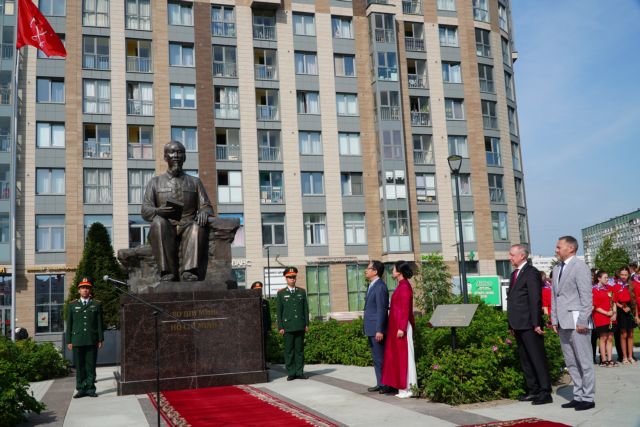
Hồ Chí Minh Square stands as a reminder of the historical bond between the two nations and also a source of inspiration for future collaboration.
Infrastructure, digital transformation, and green growth hold ample potential for expanded collaboration.
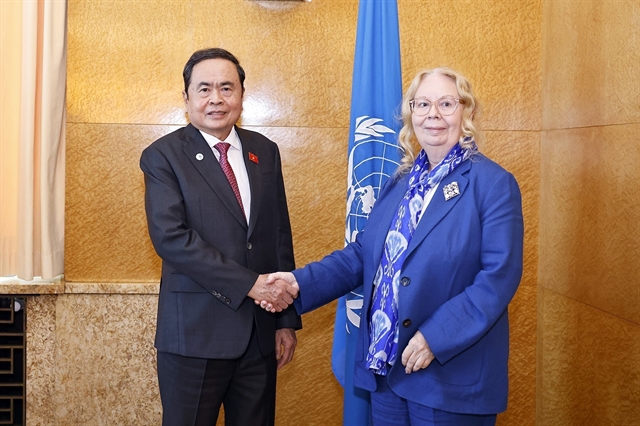
National Assembly Chairman Trần Thanh Mẫn said Việt Nam is running for re-election to the UN Human Rights Council for the 2026-2028 term and, if re-elected, will implement various activities and initiatives to promote the role of the council in the current volatile and challenging global context.
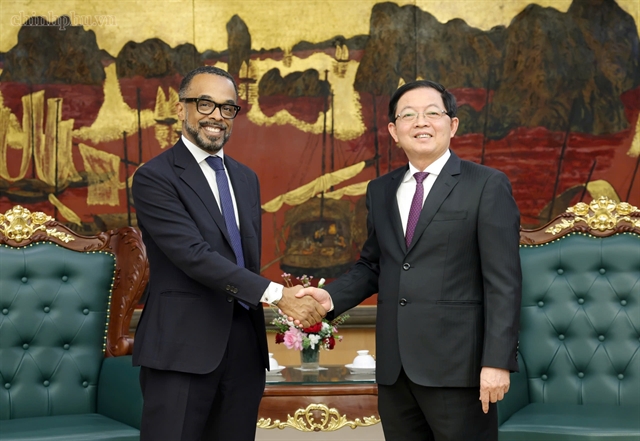
On the 26th anniversary of the enthronement of His Majesty King Mohammed VI, Moroccan Ambassador Jamale Chouaibi wrote to Việt Nam News about the country's achievements and bilateral cooperation with Việt Nam.
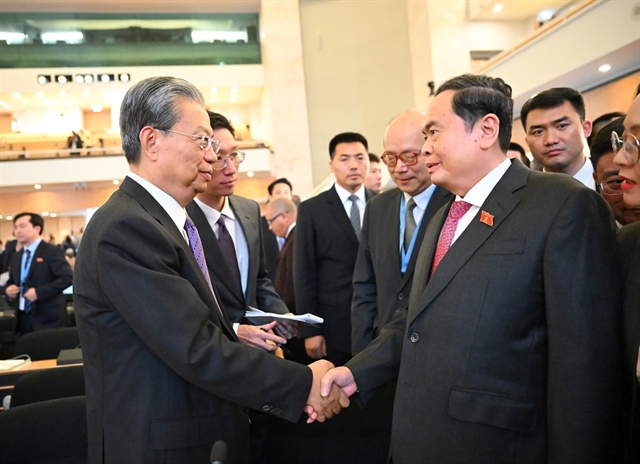
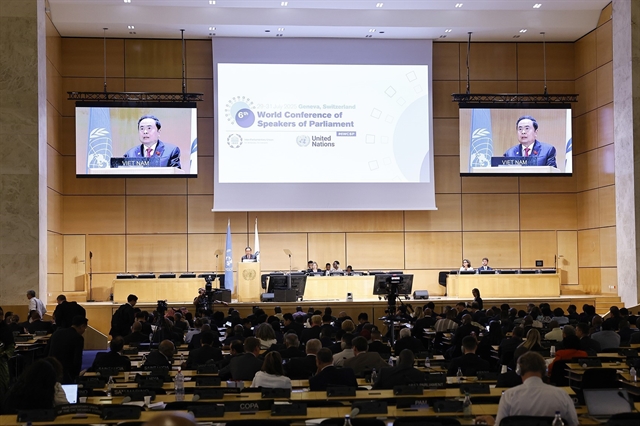
Stating that these challenges transcend national borders, wealth, race, and religion and require collective action, NA Chairman Trần Thanh Mẫn emphasised that now more than ever, as representatives of the people's voice, parliaments have a responsibility for pioneering in promoting multilateralism and contributing to ensuring peace, justice, and prosperity for all.
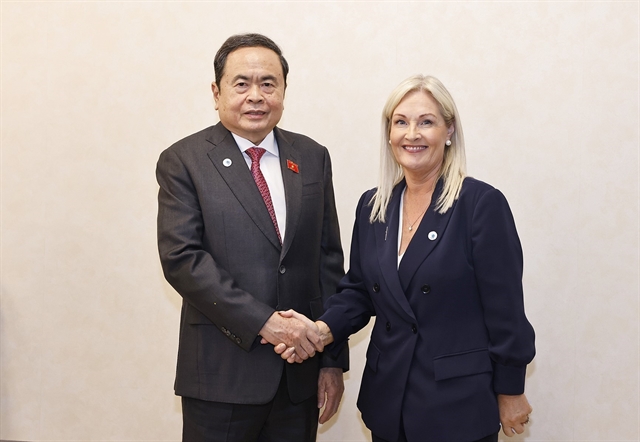
Stressing the importance of the EU-Việt Nam Framework Agreement on Comprehensive Partnership and Cooperation, NA Chairman Trần Thanh Mẫn urged the Irish Parliament to early ratify the EU-Việt Nam Investment Protection Agreement (EVIPA) to bolster trade and investment collaboration between the two nations.
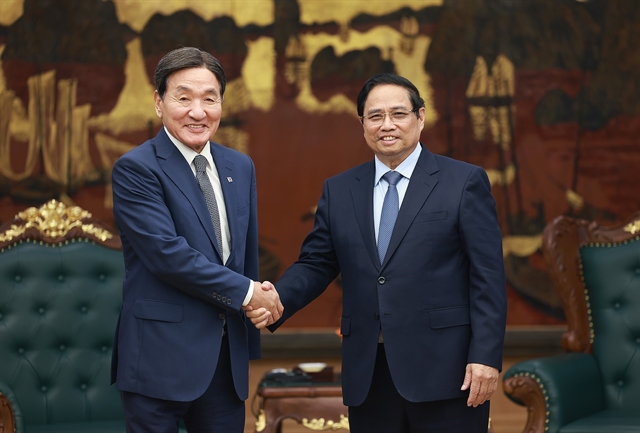
Việt Nam consistently values its relationship with the RoK, PM Phạm Minh Chính affirmed, hoping that bilateral cooperation will continue to develop in a more substantive, effective, diverse, and sustainable manner in the time ahead.
Land pricing must reflect the State’s role as the representative of land ownership and its decision-making authority on land prices, according to the revisions.
Vietnamese NA Chairman Trân Thanh Mẫn is scheduled to deliver a speech at the plenary session.
Highlighting the recent progress in relations between the Vietnamese and Cambodian parties, states, and legislatures, NA Chairman Mẫn said bilateral cooperation in areas such as national defence, security, investment, and trade has been strengthened.
Reporting to the State leader, the provincial Party Committee’s Standing Board said that after restructuring, Quảng Ninh now has 54 commune-level administrative units (including 30 wards, 22 communes, and two special zones), with 1,452 hamlets, villages, and residential quarters, serving a population of over 1.4 million.
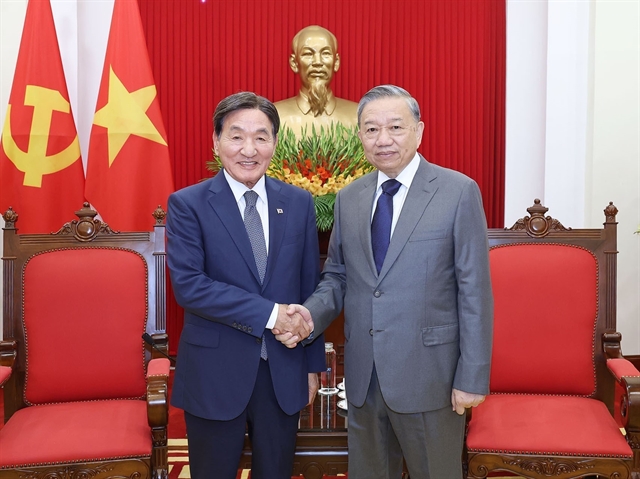
Special envoy of South Korean President Park Chang-dal affirmed that the RoK will cooperate closely with Việt Nam to successfully organise the APEC Summit in the former in 2025 and in the latter in 2027.
The two ministers also agreed to adopt new measures to boost tourism cooperation, including initiatives to enhance regional tourism connectivity within ASEAN.
NA Chairman Trần Thanh Mẫn called for speedy negotiations and signing of the Việt Nam–Switzerland Investment Protection Agreement and a bilateral tax agreement, as well as resuming talks for a free trade agreement between Việt Nam and the European Free Trade Association (EFTA).
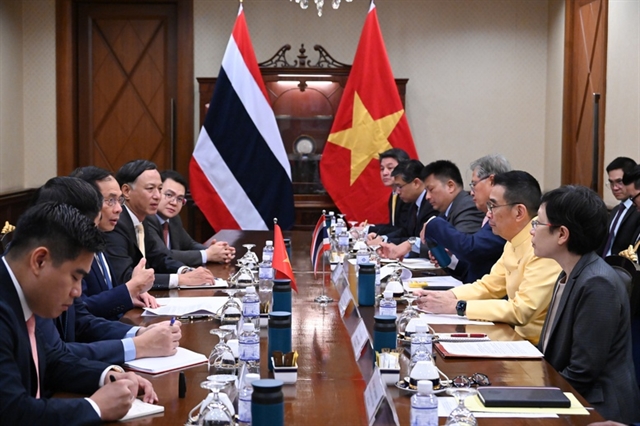
Việt Nam emphasised the importance of ASEAN solidarity and peaceful cooperation for the benefit of both nations and the region as a whole.

.jpg)