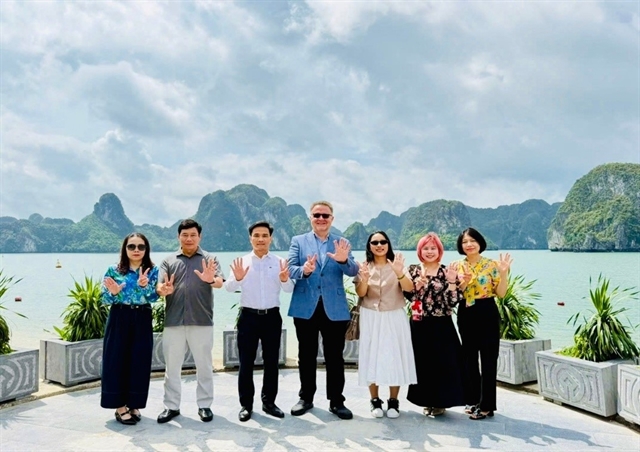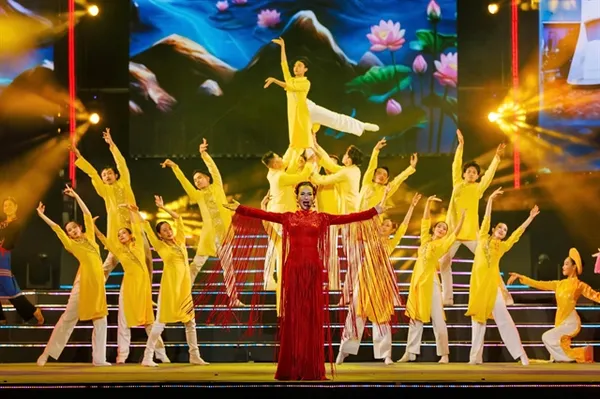
A special event entitled 7 Wonders Day with a series of attractions and experiences for both residents and visitors will be held in Hạ Long City, Quảng Ninh Province, on July 7 to honour the elected New 7 Wonders of the World and Nature.
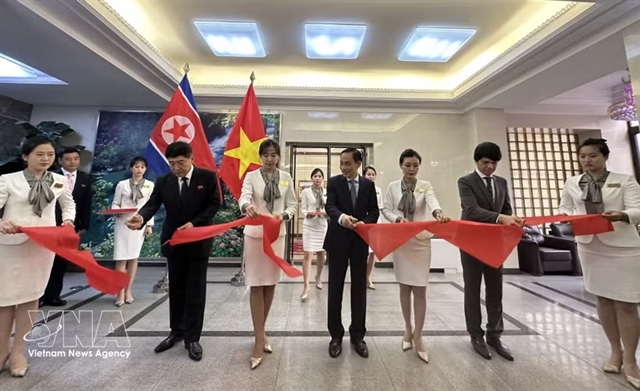
Visitors at the exhibition were moved by historical photographs dating back nearly 70 years, including images of the founding leader of North Korea Kim Il Sung personally welcoming President Hồ Chí Minh and a CPV delegation at Pyongyang’s Sunan International Airport during their visit to North Korea from July 8-12, 1957. In return, the North Korean leader paid an official visit to Việt Nam from November 27 to December 3, 1958.
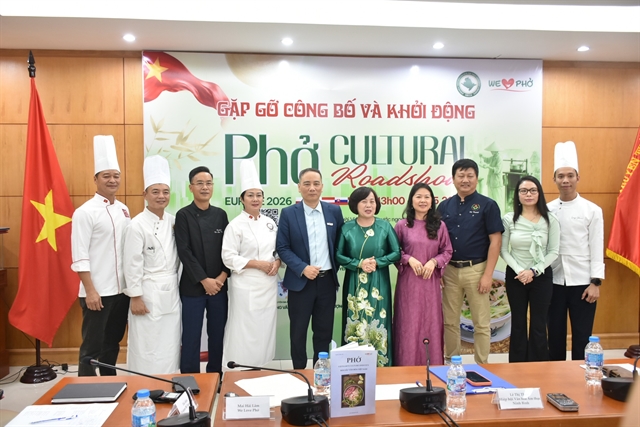
This marks the first time a multinational cultural–diplomatic–community roadshow model will be implemented in Europe, combining culinary excellence with the connective strength of Vietnamese communities abroad.
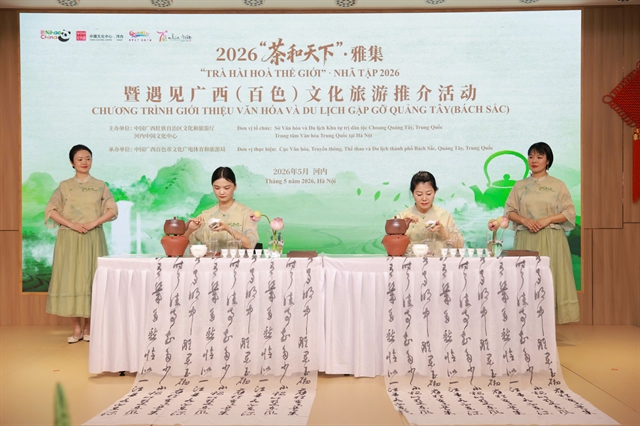
Tourism exchange between China and Việt Nam was expected to reach higher level after a culture and art programme held on May 14 at the Chinese Cultural Centre in Hà Nội.
Academic talks, performances and interdisciplinary art activities will also be held throughout the programme.
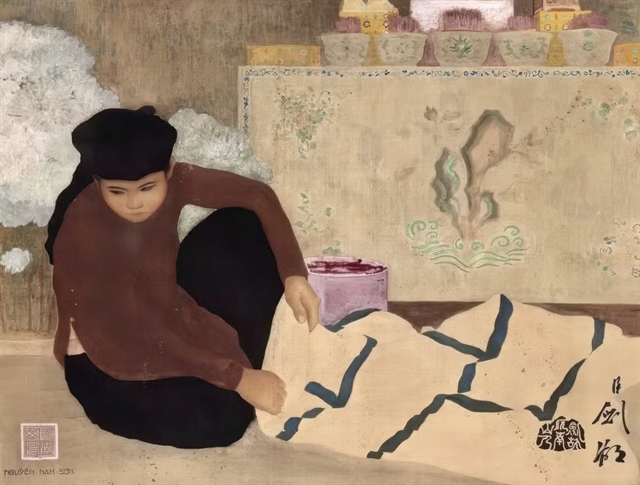
A luminous 1932 silk painting by modern Vietnamese pioneer Nam Sơn has soared past expectations at Aguttes, becoming the most valuable work of his career.
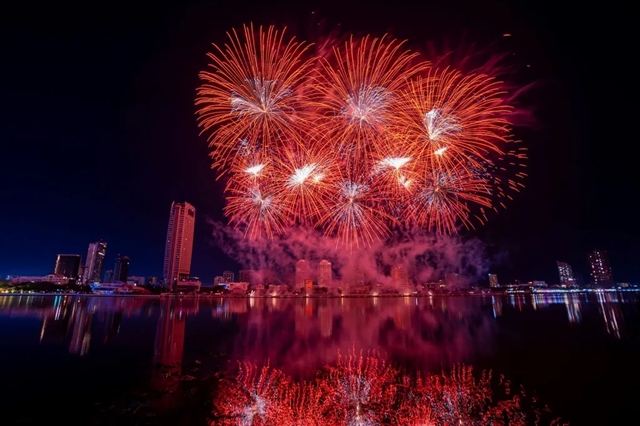
The Đà Nẵng International Fireworks Festival (DIFF) 2026, themed Đà Nẵng – United Horizons, is expected to deliver a breakthrough in stage scale and performance technology along the Hàn River.
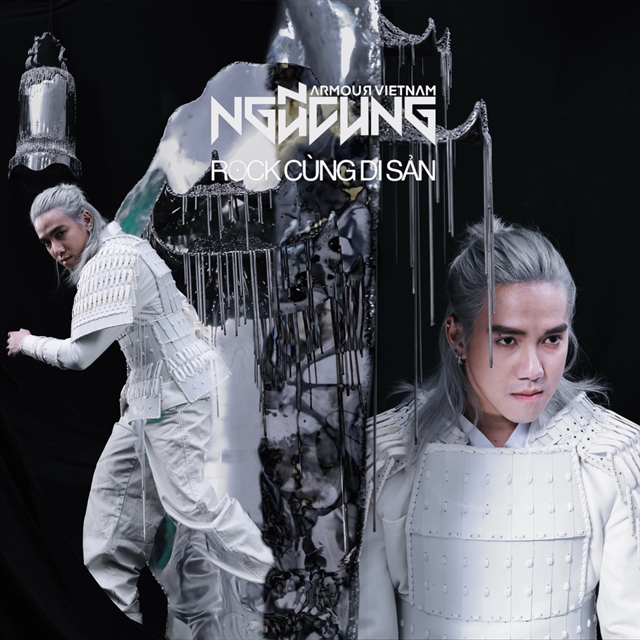
Ngũ Cung have launched ‘Rock Cùng Di Sản’, a new project that deepens their long‑standing mission to carry Vietnamese cultural values into both sound and image.
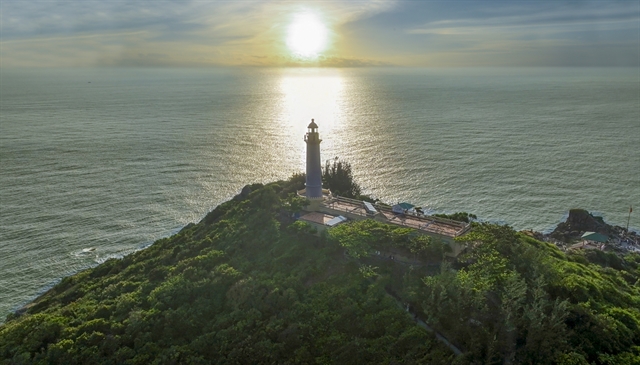
See the sun rise offers a magical start to the day with peaceful moments and stunning views whether by the sea, in the delta region or in the highlands.
HCM City has launched a series of cultural, art and sports activities to commemorate the 136th birthday of President Hồ Chí Minh (May 19, 1890 – 2026) and mark 115 years since he left the country to seek ways to make the nation free (June 5, 1911 – 2026).
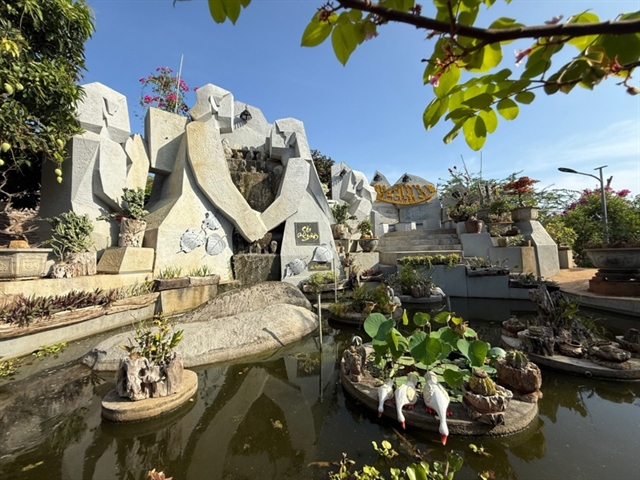
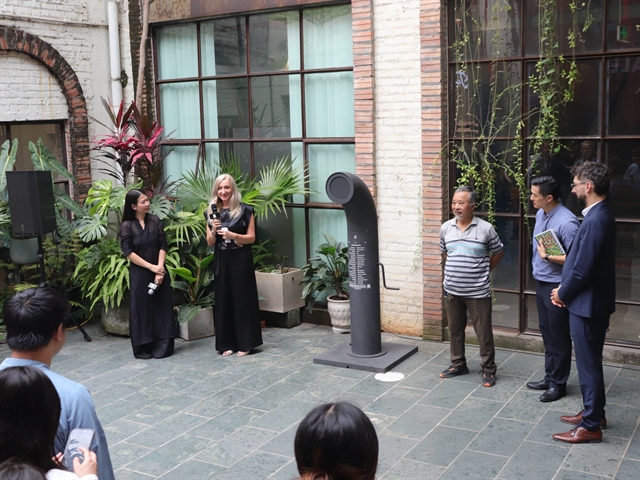
Designed and directly constructed by sculptor Ngô Xuân Lai, the work is currently open to visitors free of charge and also serves as an intimate venue for small-scale cultural events.
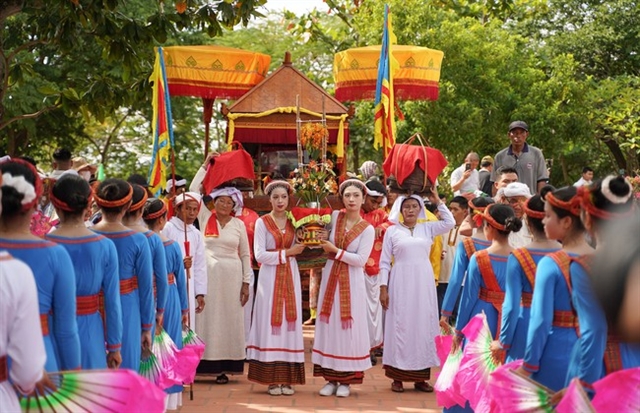
The sixth Chăm Ethnic Culture Festival will be organised on a national scale, drawing participation from seven provinces and cities with significant Cham populations, namely Khánh Hòa, Gia Lai, Lâm Đồng, Tây Ninh, An Giang and Đắk Lắk provinces and HCM City.
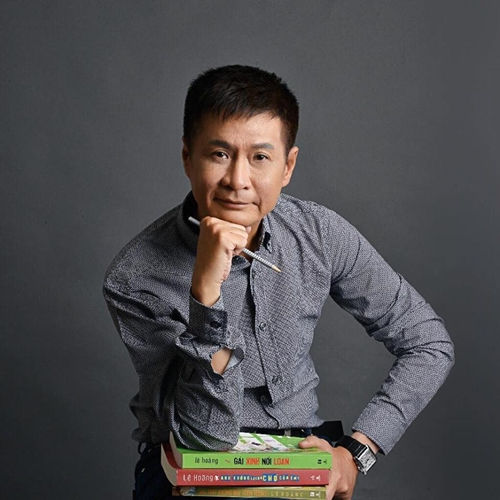
To director Lê Hoàng, Gái Nhảy (Bar Girls) was simply a film born from keen observations of daily life and a desire to tell stories powerful enough to make the younger generation reflect on the darker undercurrents of society.
The sound installation at Complex 01 consists of 20 audio recordings individually selected, reflecting the spirit of creativity, multiculturalism and the strong sense of community in this space.
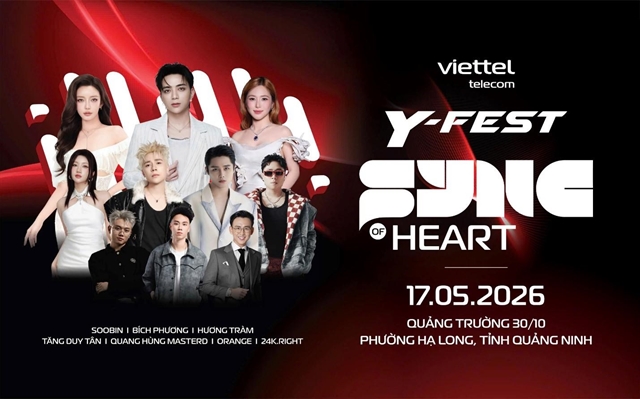
Y-Fest 2026, organised by Viettel Telecom, will combine live music with large-scale interactive technology installations, marking the first time Quảng Ninh has hosted a concert model that blends stage performances with digital exhibition spaces and immersive experiences.
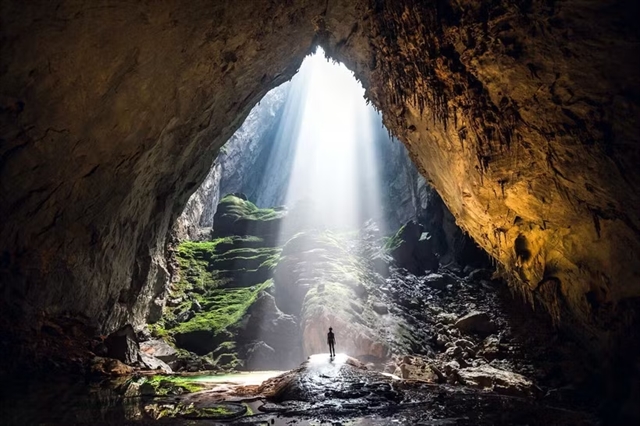
The province is coordinating with relevant agencies to launch broader communication campaigns, aiming to further affirm Quảng Trị’s position as one of Asia’s leading adventure tourism hubs.
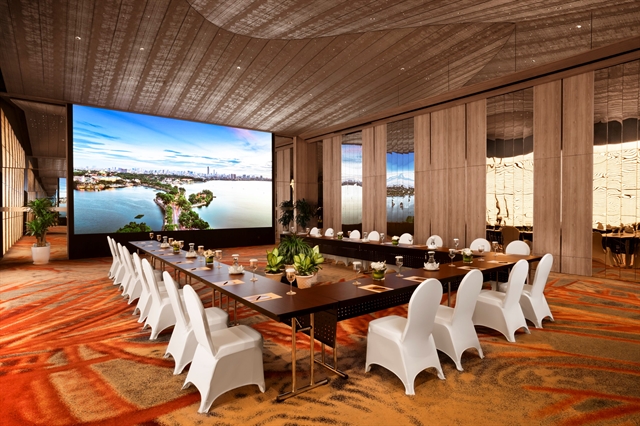
With the Asia–Pacific MICE sector expanding at record pace, Pan Pacific Hanoi introduces a strategic campaign aimed at elevating event quality, technology integration and guest wellbeing.
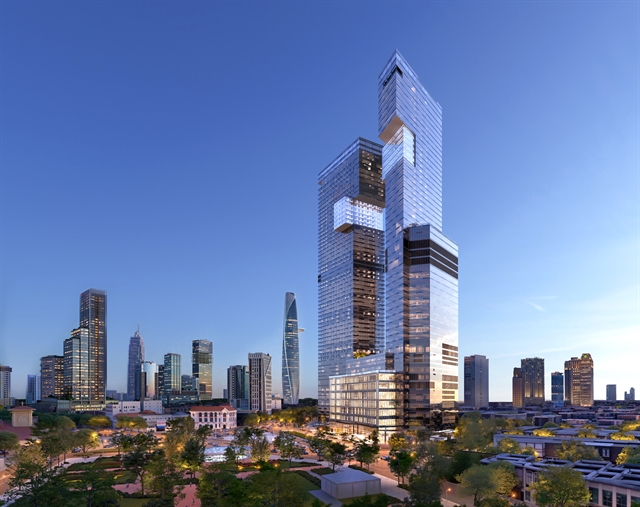
New iconic twin towers One Central Saigon will be developed in the heart of HCM City, offering a compelling fusion of international living standards, hospitality, retail, business, and services in the bustling urban landscape.