 Environment

Top Vietnamese leader meets with Belgian Senate Speaker, House President
1.
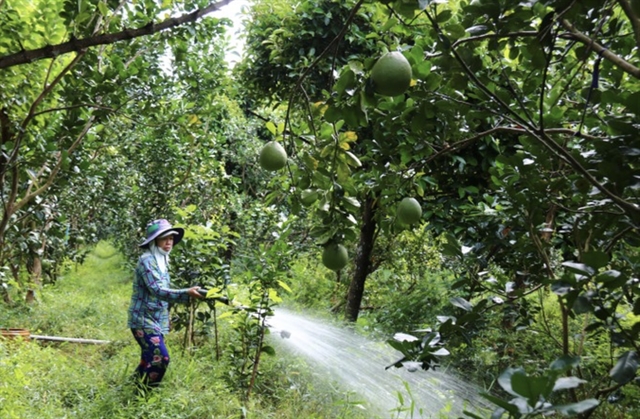 |
| Farmers prepare for El Niño impacts. — Photo: sggp.org.vn |
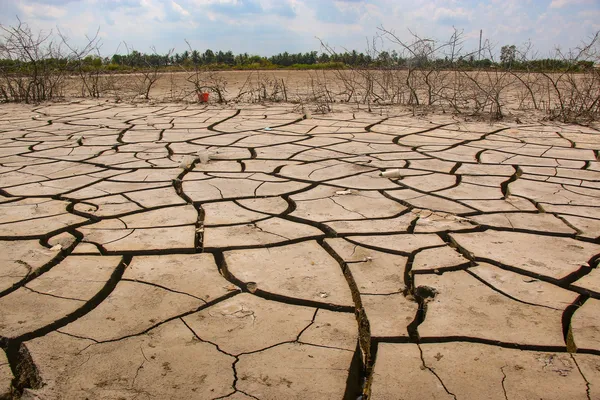
TÂY NINH — Authorities in the southern provinces of Đồng Tháp and Tây Ninh are rolling out coordinated measures to secure freshwater supply and minimise impacts of the El Nino phenomenon amid forecasts of prolonged heat and water shortages.
Vice Chairman of Đồng Tháp People’s Committee Nguyễn Phước Thiện said the province had instructed relevant agencies to urgently implement response plans to mitigate risks linked to El Nino.
Departments have been tasked with disseminating early warnings on potential water shortages, closely monitoring weather patterns, hydrological data and developments of ENSO, and advising authorities on timely response measures to protect production and livelihoods.
Irrigation operators are inspecting and maintaining salinity-control and freshwater storage infrastructure, while coordinating with localities to regulate and distribute water resources in a more efficient and economical manner.
The province is also adjusting cropping calendars and restructuring crop patterns to suit local conditions. Farmers are being guided on cultivation techniques, particularly for fruit trees in areas vulnerable to salinity intrusion and water scarcity. Efforts are under way to dredge canals and reinforce water storage capacity to ensure sufficient supply for both production and daily use.
Meanwhile, the provincial hydro-meteorological station is strengthening coordination with the National Centre for Hydro-Meteorological Forecasting to provide timely updates and warnings on weather developments and El Nino trends.
In Tây Ninh, authorities – especially in downstream areas along the Vàm Cỏ River system – have proactively implemented multiple response measures.
Key irrigation works on the Vàm Cỏ Đông and Vàm Cỏ Tây rivers, as well as the Nhật Tảo River and Thủ Thừa Canal, are being operated flexibly. Sluice gates such as Châu Phê, Ông Hóng, and Nhật Tảo are being regulated to maximise freshwater storage and improve water supply capacity for agricultural zones.
Local authorities are closely monitoring salinity levels and water sources, informing residents in a timely manner, and taking advantage of periods when salinity remains below thresholds to store freshwater in inland canal systems.
Farmers are also provided with technical guidance on drought and salinity prevention, particularly for crops sensitive to such conditions. Emergency plans, including the installation of mobile pumping stations and temporary salinity barriers, have been prepared to reduce potential damage during peak dry periods.
The proactive measures are expected to help both provinces mitigate the adverse impacts of El Nino and ensure stable agricultural production and water supply in the coming months. — VNS
Environment
 Environment
 Environment
 Environment
 Environment
 Environment
 Environment
 Environment
 Environment
 Environment
 Environment
 Environment
 Environment
 Environment
 Environment