 Travel
.jpg)
SHB unveils sustainable finance framework to expand green and social lending
1.
|
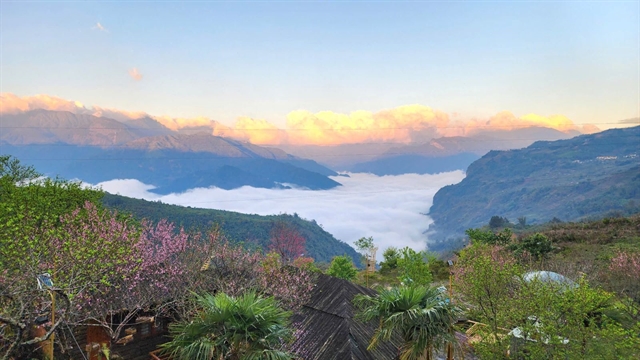
| Beautiful scenery in Y Tý Commune. — VNA/VNS Photo |
The tranquil villages of Lào Cai Province, nestled among pristine mountains and threaded with centuries-old ethnic traditions, became a magnet for travellers during the 2026 Lunar New Year holiday, as visitors sought a quieter way to ring in Tết far from the rush of city life.
Hundreds of thousands of visitors poured into northwest Việt Nam’s best-known destinations, Sa Pa, Tả Van, Bắc Hà, Y Tý, Tú Lệ and Mù Căng Chải, drawn by fragrant mountain cuisine, distinctive local customs and landscapes that change with every bend in the trail.
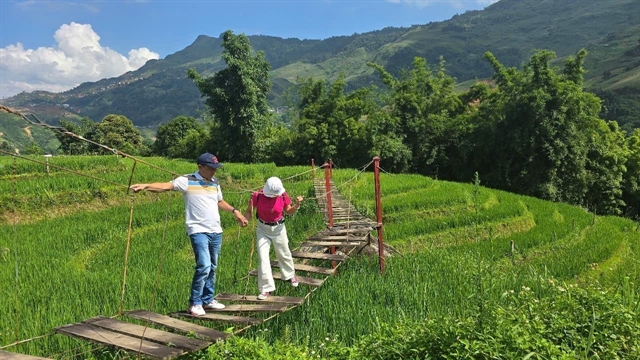
At Tả Van, the scene resembled a living painting, with cool, clear air, light spring rain that polished the colours and narrow trekking routes meandering between terraced fields and stilt houses. The village rhythm invited slow travel, long walks, lingering conversations and hands-on cultural exchanges.
Charlotte, a tourist from France who spent nearly a week relaxing with friends in Tả Van Giáy Village, recalled her stay with delight.
“I wanted to experience the traditional Tết of the highlands,” she said. “It’s very different from life in the big city. Learning about and taking part in local activities helped me understand the culture and the people here and I loved it.”
|
| The lush green rice fields of Tả Van attract many tourists who come to visit and experience the area. — VNA/VNS Photo |
Along village paths, clusters of trekkers could often be seen pausing to admire brocade handicrafts or chatting with local artisans. The profile of visitors has shifted in recent years: while foreign travellers remain enthusiastic, a growing number of Vietnamese tourists are choosing to explore village culture on foot.
Hà Nội resident Đào Tuấn Anh described his family’s short stay: “We hiked, tried the Red Dao herbal baths and savoured ethnic dishes. The trip left us with many fond memories.”
These personal experiences were reflected in rising demand, with many homestays in Tả Van reporting booking rates of more than 90 per cent over the holiday period.
Hosts responded by improving services and expanding cultural activities. Vàng Thị Nguyên, manager of Cơm Lam Eco Homestay, said guest numbers increased by 30–50 per cent during the Lunar New Year.
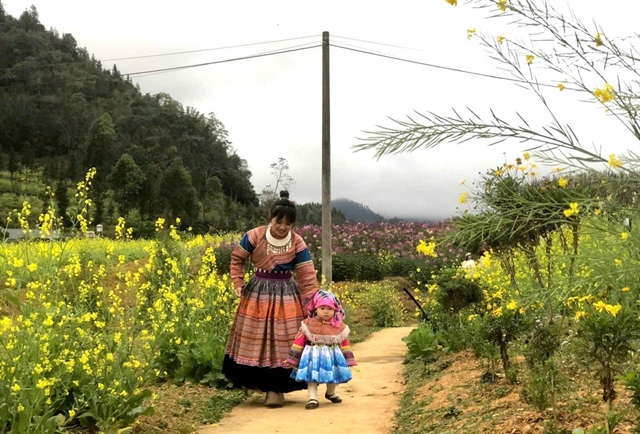
|
| Upon arriving in Bắc Hà, visitors are immersed in fields of vibrant yellow mustard flowers. — Photo baolaocai.vn |
“We prepared carefully, from staff training to facilities, to ensure the best possible dining and relaxation for our guests,” she said.
Beyond meals and lodging, several establishments introduced participatory activities such as brocade weaving, beeswax painting and embroidery workshops, turning souvenir shopping into learning experiences and fostering deeper connections between visitors and highland communities.
Not far from Tả Van, Y Tý Commune offered a different but equally compelling attraction. Hillsides glowed with wild peach blossoms and mustard flowers, their petals and yellow blooms colouring villages in springtime hues. Around 30 homestays in Y Tý are prepared to welcome guests, placing emphasis on cleanliness, food safety and the presentation of local culture.
Discover Y Tý Homestay in Mò Phú Chải Village, framed by small garden paths and blooming peach trees, reported being fully booked with about 70 guests after reservations were filled a month in advance. Most visitors came from Hà Nội, Thái Nguyên and Phú Thọ.
For many travellers, authenticity rather than modern comforts proved the strongest appeal. Vũ Văn Cường’s family from Phú Thọ chose their homestay after careful research and word-of-mouth recommendations.
“What drew us wasn’t the polished service but the sense of living history,” Cường said. “The homestay felt like a miniature Hà Nhì museum.”
Traditional earthen houses and carefully curated displays of brocade shirts, children’s hats, straw chairs, rattan trays and old ploughs gave guests a tangible link to Hà Nhì daily life.
.jpg)
|
| Thousands climbed - or took the cable car - to Fansipan peak to seek a peaceful start to the year. — Photo hometoday.vn |
The figures underline the region’s growing popularity. According to the Department of Culture, Sports and Tourism of Lào Cai Province, as of February 19, the province had welcomed an estimated 250,000 visitors, including roughly 23,000 international tourists.
Sa Pa Ward alone received about 71,600 visitors. Provincial tourism revenue for the period was estimated at VNĐ700 billion (US$27.5 million), with hotel occupancy averaging 70–80 per cent. Sa Pa recorded even stronger results, with estimated revenue of VNĐ459 billion ($18.1 million) and occupancy rates of 90–95 per cent.
Part of Sa Pa’s appeal lay in its festive programme. Thousands climbed, or took the cable car, to Fansipan Peak to seek a peaceful start to the year, while the 2026 Opening of the Heavenly Gate Spring Festival recreated northwest traditions in Mây Village, offering visitors an immersive cultural setting.
The Gầu Tào Festival, held from February 19 to 21, launched spring celebrations with the ritual erection of the ceremonial pole alongside a lively range of folk games, including blindfolded duck catching, stilt walking, greasy-pole climbing and tug-of-war, each contributing colour, sound and spectacle. Art performances continued through March 1, while Hàm Rồng Mountain hosted traditional folk art shows, culinary stalls and photo zones capturing quintessential spring scenes from February 19 to 22.
Supporting this tourism surge required smooth operations at border and transit points. At the Lào Cai International Border Gate, immigration procedures were handled with both strict security and efficiency, creating favourable conditions for travel. Cross-border traffic, primarily involving Vietnamese and Chinese citizens, remained lively, with tens of thousands travelling for trade, tourism and family visits.
Officials noted that the Autogate system played a significant role in reducing processing times and improving management efficiency, helping sustain tourism flows through the province’s border crossings.
.jpg)
|
| Locals in Lào Cai play the blindfolded goat-catching game. — Photo hometoday.vn |
From quiet village lanes to festival-filled peaks, Lào Cai during the 2026 Lunar New Year offered travellers a rich blend of natural beauty, living culture and hands-on experiences. For many visitors, the holiday became more than a getaway; it was an opportunity to slow down, learn, participate and return home with memories and artefacts that tell the stories of northwest Việt Nam. — VNS
Travel
 Travel
 Travel
 Travel
 Travel
 Travel
 Travel
 Travel
 Travel
 Travel
 Travel
 Travel
 Travel
 Travel
 Travel