 Society
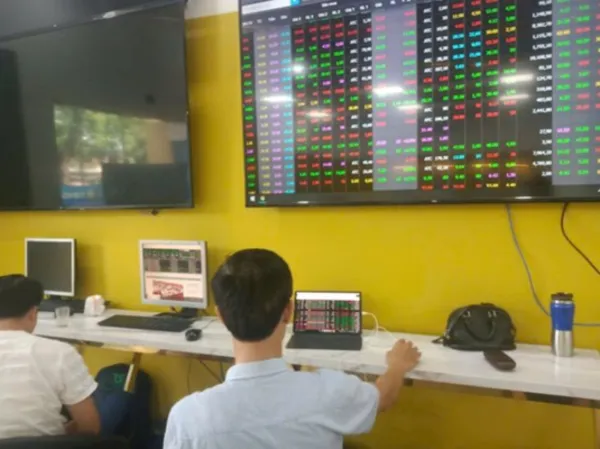
VN-Index likely to fluctuate within 1,700–1,760 points this week
1.
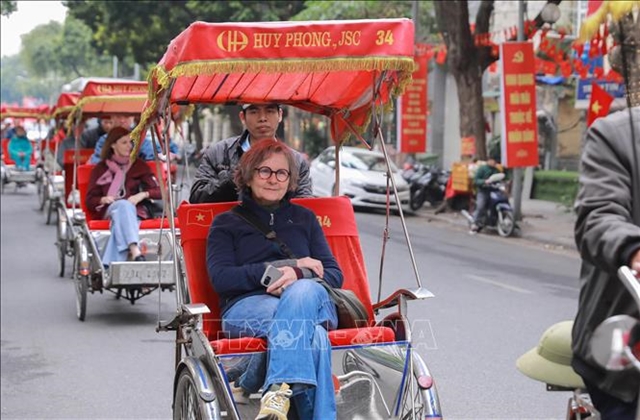 |
| Foreign tourists enjoy a cyclo ride around Hà Nội’s streets. VNA/VNS Photo |
HÀ NỘI — Hà Nội’s tourism sector got off to a flying start in 2026, welcoming an estimated 560,000 visitors during the four-day New Year holiday, a surge of around 250 per cent compared with the same period last year.
Of the total, international arrivals reached roughly 110,000, up nearly 287 per cent year on year, while domestic visitors numbered about 450,000, an increase of more than 240 per cent. Total tourism revenue is estimated at VNĐ2.1 trillion (US$79.8 million), up approximately 254 per cent.
Tourism authorities attributed the sharp rise in both visitor numbers and revenue in part to the four-day break, which gave residents and tourists more flexibility to travel, relax and explore.
But Hà Nội’s appeal was not only about the longer holiday. The city’s tourism offerings stood out for their diversity, innovation and distinctiveness, blending heritage and traditional culture with modern technology.
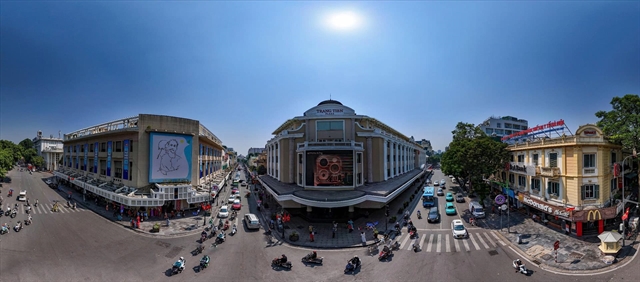
In the opening days of 2026, the influx of international visitors highlighted Hà Nội’s growing reputation as a safe and culturally rich destination. Central areas such as Hoàn Kiếm Lake (the historic heart of the capital), the UNESCO-listedThăng Long Imperial Citadel, the Temple of Literature – Quốc Tử Giám (Việt Nam’s first national university), and the Old Quarter were consistently bustling, particularly in the evenings.
A series of large-scale cultural and tourism events had been prepared in advance. During the holiday, Hà Nội staged fireworks displays at five locations and introduced a wide range of new interactive programmes, including the Hồ Gươm – Tháp Rùa artistic lighting space, the digital exhibition Radiant Hà Nội – Light and Heritage, countdown celebrations, and music and art performances featuring domestic and international artists.
This year also saw the city embrace advanced technology in its tourism products. The large-scale 3D mapping show The Capital of Thăng Long at the Thăng Long Imperial Citadel, along with various digital experience spaces, offered fresh ways to engage with heritage, making the history and culture of Thăng Long–Hà Nội more accessible, especially to young and international visitors.
Traditional cultural tourism remained a cornerstone. Night-time programmes at the Temple of Literature – Quốc Tử Giám, traditional Tết (Lunar New Year) experiences, handicraft and village product displays, cultural talks on Vietnamese Tết customs ahead of the festival, music performances in the Old Quarter, cycling tours around the city, and community-based tours to traditional craft villages and suburban communities helped distribute visitor flows, extend stays and boost spending.
Beyond the city centre, suburban tourism routes and experiences, craft village tourism and eco-cultural activities also recorded strong growth, supporting Hà Nội’s sustainable tourism strategy by easing urban pressure while tapping the potential of outlying areas.
With these results during the four-day New Year holiday, Hà Nội’s tourism sector has made a strong start to 2026, building momentum that is expected to drive the capital’s industry forward in the opening months of the year. — VNS
Society
 Society
 Society
 Society
 Society
 Society
 Society
 Society
 Society
 Society
 Society
 Society
 Society
 Society
 Society