 Features

Solcis launches open compliance layer for AI agents on NVIDIA OpenShell
1.
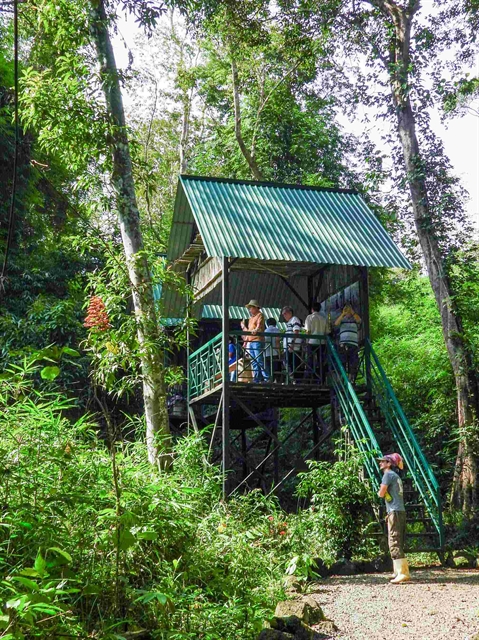 |
| The Primate Rescue Area on Tiên Island, surrounded by the Đồng Nai River, is part of the Rescue, Conservation and Development Centre of Cát Tiên National Park, where dozens of endangered primates are cared for and rehabilitated. —VNA/VNS Photo |
ĐỒNG NAI — Đồng Nai Province has introduced a decentralised management framework for its historical and cultural heritage sites, aiming to strengthen conservation while unlocking their potential for tourism and socio-economic development.
Home to 121 recognised relic sites, including six special national relics, the southern province hopes the new approach will improve coordination between agencies and local authorities while enhancing the preservation and promotion of its rich historical assets.
Notable landmarks include the Southern Liberation Army Command Base (Tà Thiết Base); the 1973 terminal point of the Hồ Chí Minh Trail (part of the Trường Sơn – Hồ Chí Minh route); the Hàng Gòn Megalithic Tomb; Cát Tiên National Park; and the VK96 petroleum pipeline terminal point, also linked to the Trường Sơn – Hồ Chí Minh Trail.
After visiting the Southern Liberation Army Command Base in Lộc Thành Commune, visitor Đặng Huy Thành from Tây Ninh described the site as holding profound historical significance in the nation’s struggle for liberation and reunification.
He said it stood as a powerful symbol of Vietnamese revolutionary heroism in the 20th century and served as an important asset for educating younger generations about patriotism and revolutionary traditions.
However, Thành noted that the site faces challenges in preservation and promotion due to its remote location and underdeveloped tourism infrastructure.
To unlock its potential, he suggested upgrading transport and visitor facilities, creating cultural highlights and combining heritage tourism with ecological and green tourism models.
Tourism potential
The Sóc Bom Bo relic site in Bom Bo Commune was officially recognised as a national historical relic site on September 9, 2025 by the Ministry of Culture, Sports and Tourism.
According to Phạm Anh Tuấn, director of the Bom Bo Commune General Services Centre, the S’tiêng Cultural Conservation Area at Sóc Bom Bo has become an increasingly attractive destination for both local and out-of-province visitors, many of whom express strong impressions of the S’tiêng community’s distinctive cultural experiences.
Yet similar to the Tà Thiết Base, the site’s remote location and limited infrastructure have constrained its full tourism potential.
To address these issues, the provincial authority has issued regulations on decentralising the management, protection and promotion of historical-cultural relics and scenic sites, according to Vice Chairman of the provincial People’s Committee Lê Trường Sơn.
Based on practical conditions, assigned agencies and localities are required to develop specific coordination mechanisms for distinctive sites such as Bửu Long Tourist Area, Cát Tiên National Park, the First Rubber Plantation Site, and the establishment site of the Indochinese Communist Party Cell in Phú Riềng, along with other similarly classified relics.
.jpg) |
| With more than 120 recognised heritage sites ranging from revolutionary bases to ancient monuments, Đồng Nai Province is seeking new ways to protect and promote its rich historical legacy.. — Photo laodong.vn |
Management reforms
The Đồng Nai Department of Culture, Sports and Tourism will advise the provincial authorities on programmes, projects and plans related to planning, restoration, utilisation and value promotion of relics.
It will also provide professional guidance and inspection for assigned agencies, organise training courses for heritage management personnel and act as the investor for restoration and repair projects funded by the State budget or through public–private partnerships for sites under its direct management.
The education authority will direct schools to promote awareness of heritage protection and integrate site visits, research activities and preservation efforts into extracurricular education programmes.
At the grassroots level, commune and ward governments are responsible for developing communication plans, mobilising community participation in heritage protection, linking heritage values with local socio-economic development and promptly preventing and reporting violations.
They are also tasked with regular and ad hoc reporting on site management and coordinating with relevant departments in urgent conservation and restoration works.
For heritage sites located across more than one commune, the locality covering the core protection zone under zoning maps will assume primary responsibility and lead coordination with neighbouring authorities.
Meanwhile, the Đồng Nai Nature and Culture Reserve and Bù Gia Mập National Park will bear direct responsibility before the provincial authorities for managing, preserving and promoting relic values under their assigned authority, while remaining subject to State oversight by the Department of Culture, Sports and Tourism.
They are required to develop tourism-linked heritage promotion plans, implement security and fire prevention measures, proactively prevent violations and prepare conservation planning and restoration projects in accordance with relevant laws.
The two units will also act as investors for restoration and repair works funded by the State or mixed sources for heritage sites under their direct management. — VNS
Features
 Features
 Features
 Features
 Features
 Features
 Features
 Features
 Features
 Features
 Features
 Features
 Features
 Features
 Features