 Features
VN-Index ends lower despite liquidity hit over $1 billion
1.
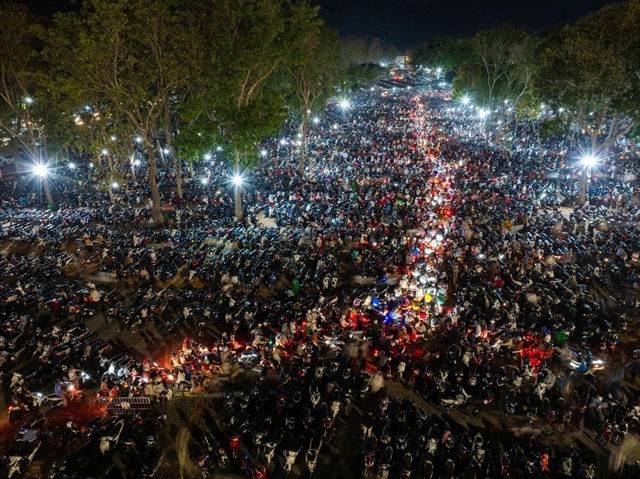 |
| Around 300,000 people flocked to the Bà Đen Mountain Spring Festival 2026. — Photo nld.com.vn |
By Thanh Nga
Every year as Tết (Lunar New Year) arrives and spring returns, people across Việt Nam take to temples, village squares and sacred mountains to celebrate the season of renewal. Over centuries these gatherings have been preserved, adapted and lovingly passed down. Today they form one of the nation’s richest cultural tapestries.
Spring festivals are more than entertainment, they are living memory, community glue and a way for each generation to learn the values and stories of their ancestors.
A nation of festivals
According to the Ministry of Culture, Sports and Tourism, Việt Nam has roughly 9,000 traditional festivals, making it one of the countries in the region with the densest festival calendars. Many are concentrated in the spring months immediately following Tết, when the weather warms and people venture outdoors after family reunions. Major festivals have evolved into cultural and tourism brands, drawing hundreds of thousands of visitors and generating significant local revenue from hospitality and services.
Festivals provide balance in modern life: a breathing space when people can slow down, renew hope and make wishes for the new year. They stitch together past, present and future, creating ceremonial spaces where reverence and celebration coexist, where solemn rituals meet lively games, folk music and dance.
At the Cổ Loa Festival in Đông Anh, Hà Nội, crowds gathered at the temple of King An Dương Vương inside the Cổ Loa National Special Historical Site.
Hoàng Thị Thịnh of Thiên Lộc Commune described her yearly pilgrimage: “Every year, after a few days of family reunion during Tết, I eagerly go to the festival. Each time I attend, childhood memories of going with my mother to watch the palanquin procession, dragon dance and the games of swinging and tug-of-war come flooding back.”
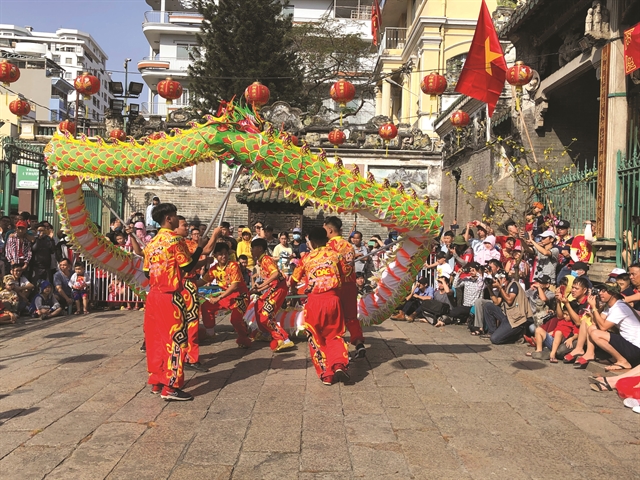
According to folklore, the sixth day of the first lunar month marks the king’s entry into the palace and the ninth day commemorates his coronation. The festival, preserved for thousands of years by local communities, brings multiple generations together. From elders to children, people join processions, dragon dances, palanquins and traditional games. The festival is a regional event, drawing participants from surrounding communes and creating an atmosphere of shared memory.
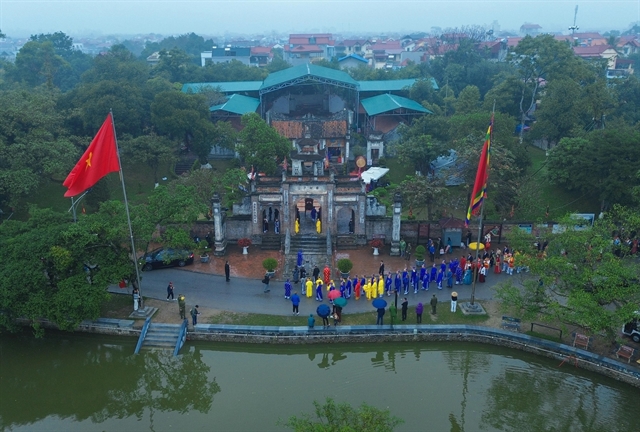 |
| A procession passes by the temple of King An Dương Vương inside the Cổ Loa National Special Historical Site. — VNA/VNS Photo |
At Đống Đa Hill, Lê Thị Liên of Phương Liên Ward explained why she brings her son each year.
“Attending this meaningful festival, my son and I, along with many people in Hà Nội, have gained a deeper understanding and pride in our nation,' she said. "Remembering the great contributions of Emperor Quang Trung - Nguyễn Huệ and the Tây Sơn insurgents, I feel a responsibility to raise my son well so that he becomes a useful person to society and contributes to the development of the country.”
The Gò Đống Đa Festival commemorates the day Emperor Quang Trung - Nguyễn Huệ led his forces to a decisive victory over Qing invaders.
“On this hill,” said Nguyễn Văn Long, an IT employee from Đa Phúc Commune who documented the procession at Sóc Temple, “I felt both pride and a strong urge to share our heritage. I posted videos of the procession on social media so friends around the world could see how vibrant our traditions remain.”
His words reflect how digital life and ancient ritual now interact.
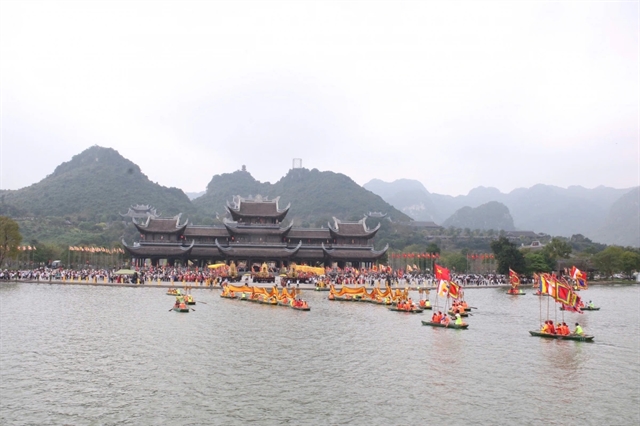 |
| Dragon boat racing during the Tam Chúc Pagoda Spring Festival in Ninh Bình Province. — Photo vov.vn |
Tradition and innovation
Hà Nội, a thousand-year-old city, is particularly rich in festivals. From the Gióng Festival and Hai Bà Trưng Festival to Triều Khúc and Cổ Loa, each event offers a slice of history and a public expression of reverence and hope. The city hosts more than a thousand traditional festivals, most of them taking place in the first and second lunar months.
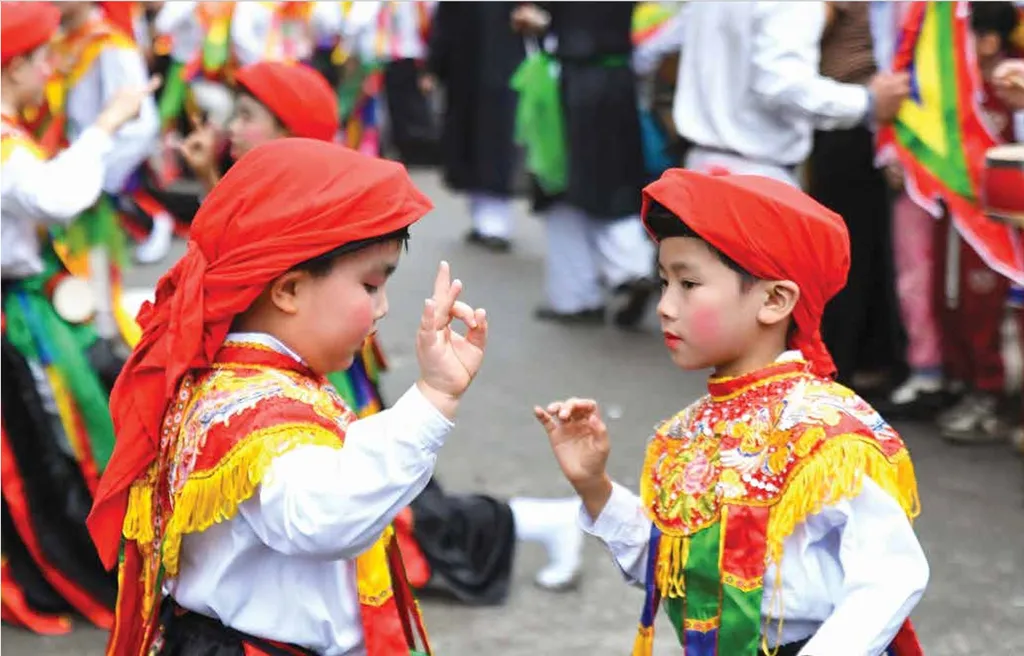 |
| Youngsters perform the ancient Con đĩ đánh bồng dance at the traditional festival of Triều Khúc Village in Hà Nội. It is one of the typical folk dances of the ancient Thăng Long region. VNA/VNS Photo Khánh Hoà |
Đào Anh Tú, director of the Sóc Sơn Commune General Service Centre, described recent organisational changes at the Gióng Festival: “This is the first year the festival has been organised with the participation of two communes, Sóc Sơn and Đa Phúc.
"We have strengthened traffic management from afar, arranged more centralised parking areas and installed surveillance cameras at crowded locations. Offensive behaviours such as pushing and shoving or snatching offerings have been publicised and warned against early on to prevent recurrence.”
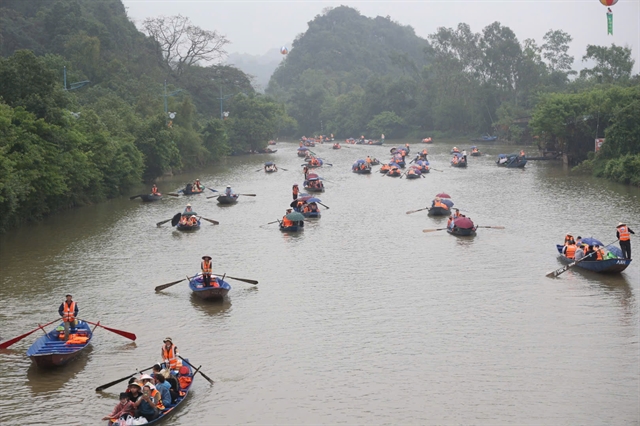 |
| Pilgrims take boat rides on Yến Stream during the Hương Pagoda Festival. — Photo baochinhphu.vn |
At Hương Pagoda, which runs from the sixth day of Tết to the 25th day of the third lunar month, Chairman Lê Văn Trang of Hương Sơn Commune People’s Committee explained their balanced goals.
“We want to preserve traditional cultural values while building a civilised and friendly image for tourists," he said. "This year we focus on safety, friendliness and improving service quality. We offered free entrance to the heritage site until the sixth day of Tết, strictly controlled boat ticket prices and service fees, and applied electronic ticket sales.”
Organisers are also prioritising environmental measures.
“We have arranged additional waste sorting bins, increased environmental sanitation personnel and encouraged people to limit the indiscriminate burning of votive paper,” said an official from Hương Sơn Commune.
Banners and public broadcasts urge people to attend the festival in a civilised manner, reflecting a national push for more respectful, environmentally aware rituals.
Digital tools are transforming the visitor experience.
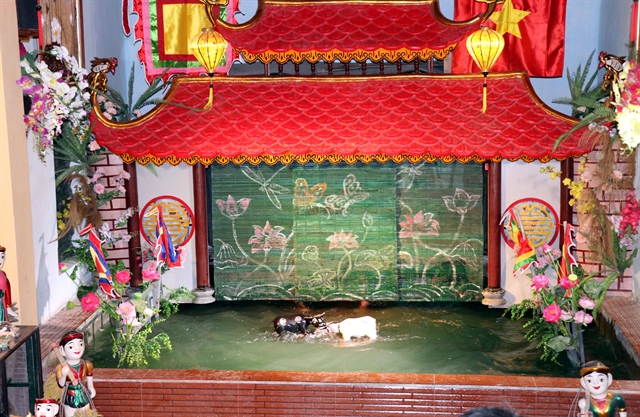
“Despite limited space, the Cổ Loa Festival maintains archery competition, traditional wrestling, human chess, quan họ folk singing and water puppetry. Especially, this year’s festival is associated with the digital traditional festival space model. We apply QR codes to introduce and promote the relics, spreading Cổ Loa’s historical and cultural values to tourists, especially the younger generation,” Nguyễn Thị Lương, vice chair of the People’s Committee of Đông Anh Commune, said.
Historical sites across Hà Nội now display QR codes linking to information on rituals and architecture. Digital maps, electronic ticketing, online booking and AI cameras help manage crowds and protect fragile spaces.
Security and order
Large spring festivals attract thousands of pilgrims and tourists, requiring meticulous coordination. Trần Song Tùng, vice chairman of the People’s Committee of Ninh Bình Province, explained their preparations.
“Security and order work for the festival has been proactively deployed, from traffic flow to staffing at key points and increasing surveillance cameras," he said. "Service activities in the festival area are strictly controlled, with public price listings and strict handling of violations, contributing to building the image of a safe and friendly destination.”
Tam Chúc Spring Festival’s organising committee has similarly developed a plan to regulate people and vehicles remotely, control the flow of visitors at different times and apply technology in management and communication.
Ninh Bình emphasises the message honouring spirituality with understanding and civilisation, urging less wasteful offerings and establishing feedback channels to resolve issues promptly.
“The province currently has more than 700 large and small festivals, most in the spring; we link festival organisation with heritage tourism and creative economy to build sustainable development,” Tùng said.
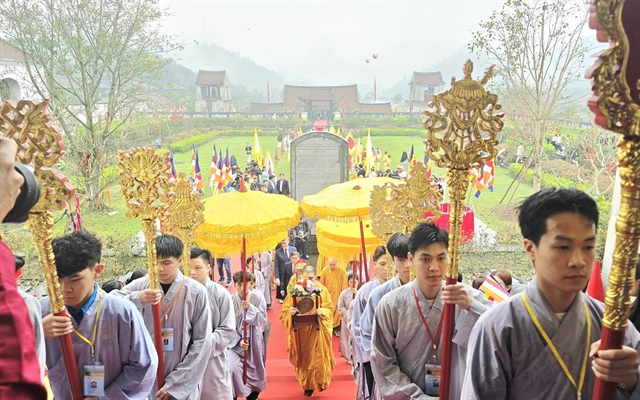 |
| A ritual of offerings and palanquin processions during the Yên Tử Spring Festival, recreating the traditional cultural beauty of the Trúc Lâm Zen sect. — VNA/VNS Photo |
Community access
Quảng Ninh’s Yên Tử Spring Festival at the Trúc Lâm complex runs for three months and follows UNESCO recognition of the Yên Tử – Vĩnh Nghiêm – Côn Sơn, Kiếp Bạc complex in 2025.
Nguyễn Văn Hùng, director of the Yên Tử Relics and Scenic Spots Management Board, highlighted access measures: “Pilgrims can enjoy entrance fee waivers until December 31, 2028; we provide free vehicle parking at Hạ Kiệu bus station until the end of 2026 and free insurance for all visitors. An AI system now identifies visitors entering and exiting the relic site to improve management efficiency and ensure safety.”
Jonathan Wallace Baker, UNESCO Chief Representative in Việt Nam, praised Yên Tử: “Yên Tử is not only a precious asset of Quảng Ninh province and of Việt Nam but also of all humanity. The profound human values of the Trúc Lâm Zen sect will continue to spread the spirit of peace, understanding and harmony in the community.”
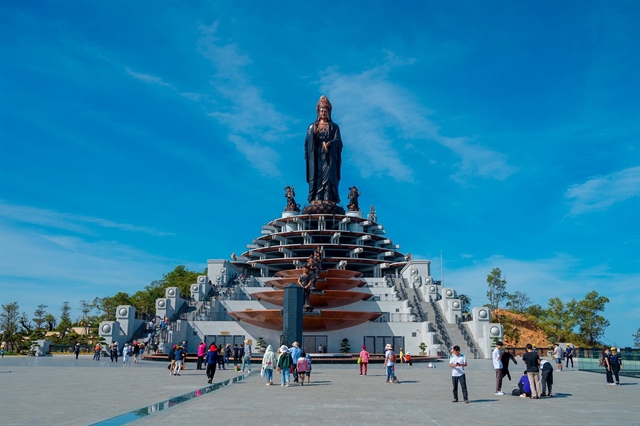 |
| Tourists worship at the tallest Buddha statue in Asia atop Bà Đen Mountain. — VNA/VNS Photo |
Regional variety
Northern festivals often emphasise martial spirit and elaborate folk music; central coastal communities stage whale-worship rituals that reflect the sea’s central role in life and livelihood; the south bursts with pilgrimage and scenic enjoyment.
Bà Đen Mountain Festival attracts worshippers seeking blessings and tourists drawn by its scenic beauty. Trần Thị Lan, a devotee at the Bà Đen Mountain Festival, said: “I come here to pray for peace and fortune for my family. Climbing the mountain is both a physical and spiritual journey, the view from the top gives me hope for the new year.”
In the central region, Lê Văn Cường, an elder of Nhơn Lý fishing village, explained the whale-worship festival’s meaning: “We hold Vạn Đầm Xương Lý Fishing Festival (Whale Worship Festival) to honour the whales that protect fishermen. The ritual asks for calm seas, good weather and a bountiful harvest. For nearly two centuries it has been our way to show gratitude and ask for protection.”
The festival has grown into a tourist attraction and was recognised as national intangible cultural heritage in 2024.
Spring festivals in Việt Nam do many things at once: they enshrine historical memory, preserve folk arts such as quan họ singing and water puppetry, foster social cohesion, support local livelihoods and adapt to modern life through environmental and digital initiatives.
In an era of rapid change, Việt Nam’s spring festivals are a yearly promise: to remember, to celebrate and to pass on what matters. — VNS
Features
 Features
 Features
 Features
 Features
 Features
 Features
 Features
 Features
 Features
 Features
 Features
 Features
 Features
 Features