 Society
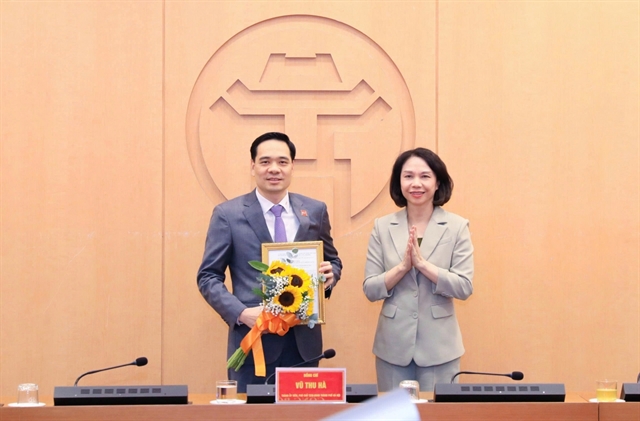
Saint Paul General Hospital Director Nguyễn Đức Long appointed as Deputy Director of the Hanoi Department of Health
1.
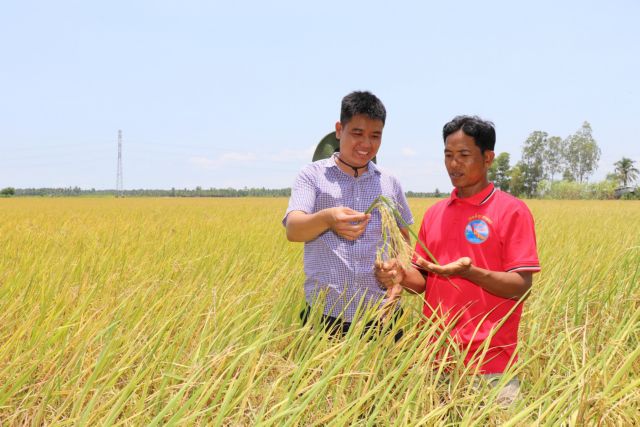 |
| Farmers inspect rice fields under a high quality, low emission production model ahead of their harvest in Vĩnh Long Province. — VNA/VNS Photo |
VĨNH LONG — Organic farming is becoming an increasingly important pathway for agricultural enterprises and cooperatives in the Mekong Delta to enhance product value and expand export markets, especially as international standards continue to tighten.
Many businesses and co-operatives in the region, particularly those involved in coconuts and other key agricultural products, still face challenges in record management, traceability, contamination control, and maintaining compliance through the production chain.
Even a minor error can result in shipments being downgraded, certification suspended, or supply chains disrupted, causing severe economic and reputational losses.
To improve management capacity and reduce certification risks, the Trà Vinh Climate Smart Agriculture Value Chain Development Project Management Board, in co-ordination with the Vĩnh Long Department of Agriculture and Environment and Control Union, organised a training course on new international organic regulations for enterprises and co-operatives in Nguyệt Hóa Ward on May 21 and 22.
At the programme, Lê Quí Hòa Bình, manager of the agricultural certification division at Control Union, updated participants on key requirements under EU organic standards.
The training also focused on building internal control systems, record management, traceability, risk assessment, and measures to prevent violations during production, harvesting, transport, and consumption of organic products.
Participants were introduced to new requirements for farmer group certification, regulations on record retention, annual internal inspections, and the responsibilities of managers operating internal control systems.
The programme also covered measures for handling cases of non-compliance with organic standards.
Alongside updates on EU organic regulations, the course also provided information on several internationally recognised sustainable farming standards, helping enterprises and co-operatives strengthen quality management and meet increasingly strict export requirements.
Lâm Hữu Dũng, deputy director of the CSAT Trà Vinh project management board, said organic agriculture had become an inevitable global trend and offers opportunities for local farm produce to increase value and exports.
However, gaining access to demanding markets such as the EU requires enterprises and co-operatives to comply with strict technical standards, especially new regulations on organic certification and internal control systems for farmer groups.
Vĩnh Long has more than 47,040 hectares of agricultural production certified as meeting VietGAP, GlobalGAP, and organic standards.
Nearly 36,000ha are organic coconut plantations, one of the province’s key agricultural sectors, with many growing areas already meeting international standards.
In future, the province aims to build a green, ecological, circular, and sustainable agricultural sector.
It is shifting from a production mindset towards a multi-value agricultural economy linked with processing, trade, and consumer markets.
The agricultural sector is also promoting clean farming, organic and circular agriculture, and the use of high-tech applications through the production, processing, and distribution chains.
CSAT Trà Vinh, a project financed by the International Fund for Agricultural Development, is being implemented for five years since 2022 at a cost of VNĐ853 billion (US$31.6 million).
The project aims to support sustainable agriculture adaptable to climate change in the delta through the development of climate-smart agricultural value chains linked to regional markets, improving incomes, and reducing risks for vulnerable groups while maintaining growth and competitiveness in the sector. — VNS
Society
 Society
 Society
 Society
 Society
 Society
 Society
 Society
 Society
 Society
 Society
 Society
 Society
 Society
 Society