 Society
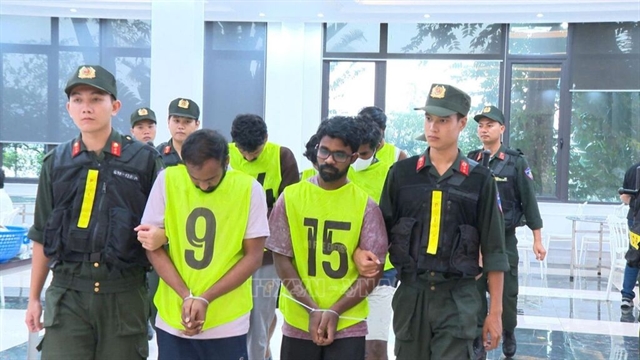
84 individuals investigated for transnational online frauds
1.
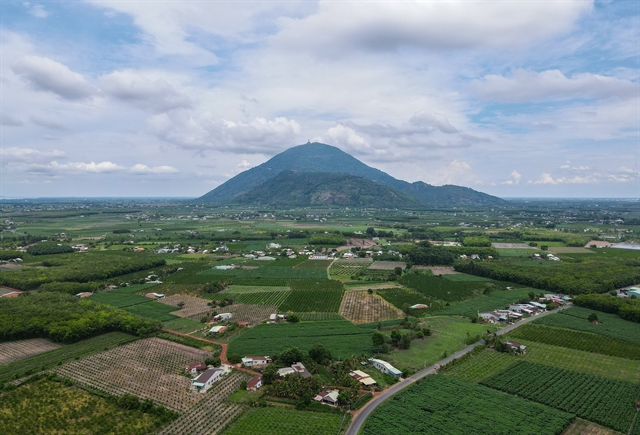 |
| Tây Ninh Province’s rural landscape is gradually transforming to look better thanks to a national target programme on building new-style rural areas. — VNA/VNS Photo Giang Phương |
TÂY NINH — Tây Ninh Province is seeking to further improve the quality of new-style rural areas in a sustainable manner.
Nguyễn Hồng Thanh, deputy chairman of the province's People’s Committee, said the province would focus on quality, sustainability and adaptability in implementing the national target programme on building new-style rural areas this year.
The southern province aims to have two more communes recognised under the programme this year, raising the total to 69 out of 82 communes, equivalent to 84.1 per cent, according to the official.
New-style rural area development will also be closely linked with digital transformation, environmental protection and rural economic growth.
To achieve these goals, the province will review and refine mechanisms and policies, ensuring the effective integration of funding from central and local budgets as well as social resources for programme implementation.
Priority will be given to the programme’s criteria that have yet to be met sustainably, as well as disadvantaged and border areas.
The province will also promote decentralisation and delegation of authority alongside stronger accountability for leaders, while intensifying inspection, supervision and practical assessments of how the criteria are implemented.
The implementation of the programme in recent years has brought about clear changes in rural areas, giving them a more vibrant appearance and steadily improving residents’ material and spiritual lives.
By the end of last year, the province had 67 communes meeting all criteria for new-style rural areas, accounting for 82 per cent of the total, including five communes recognised as advanced new-style rural areas.
Communes across the province have focused on investing in building and upgrading socio-economic infrastructure, improving environmental landscapes, and developing production and the rural economy in connection with cultural development.
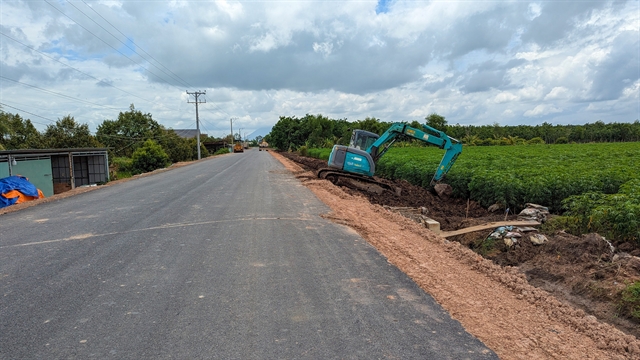 |
| Long Chữ Road in Tây Ninh Province has been upgraded and widened, improving transport and helping to enhance local people’s livelihoods. — VNA/VNS Photo Giang Phương |
Communication and public mobilisation have been expanded through diverse and flexible approaches.
Information on the programme has been widely disseminated via electronic information systems, social networks, community meetings and mass media, helping residents access information easily and participate actively.
Training courses have also been organised regularly to improve communication skills for grassroots officials and community members.
Implementing the campaign “All people unite to build new-style rural areas and civilised urban areas”, the province Fatherland Front Committee effectively integrated it with patriotic emulation movements, economic development, poverty reduction, environmental protection and maintenance of security and order last year.
With the motto “The State and the people work together”, local residents are identified as core actors in new-style rural area development.
Last year, they donated more than 213,000 sqm of land, contributed over 4,347 labour days, and more than VNĐ32 billion (US$1.23 million) to build and upgrade 21,750 metres of rural roads and implement 795 grassroots-level projects serving production and daily life.
Rural economic development remains a central pillar of the programme.
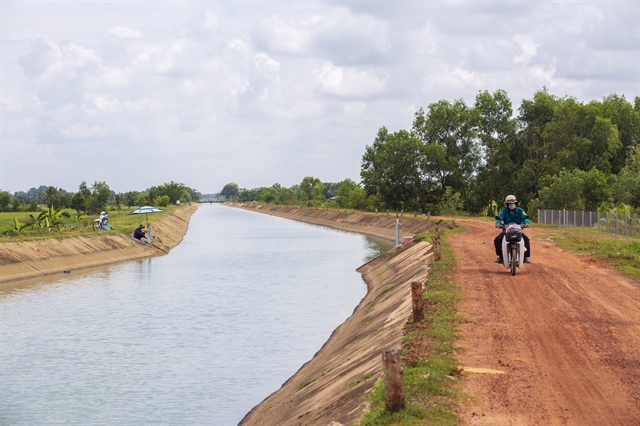 |
| Tây Ninh Province has upgraded and reinforced its irrigation system to serve agricultural restructuring and ensure a stable irrigation supply. — VNA/VNS Photo Giang Phương |
The province is also expanding the national “One Commune – One Product” (OCOP) programme, encouraging value-chain formation, improving management capacity for stakeholders, and promoting supply–demand connections and product consumption via e-commerce platforms.
It has 407 OCOP products, including one five-star product, 77 four-star products and 329 three-star products. Many have seen improvements in quality, packaging and traceability.
Digital transformation has been identified as an overarching solution in building new-style rural areas, with the goal of developing smart rural communities.
The province is accelerating the integration of data from agriculture, land and environment sectors into management systems, expanding online public services, and supporting farmers and co-operatives in applying high technology to production and management.
Environmental protection in rural areas is prioritised through measures to treat household solid waste and wastewater, promote waste sorting at source, and develop a circular economy in agriculture.
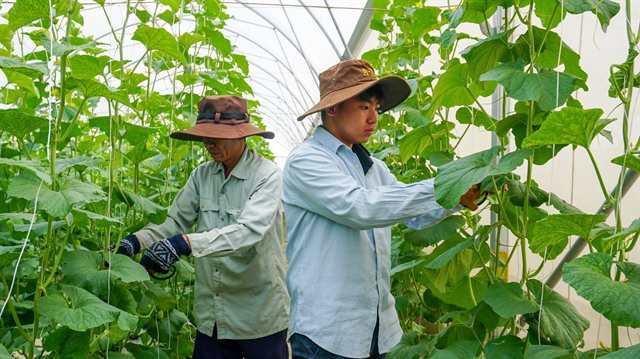 |
| Growing melons in net houses helps boost productivity and improve crop quality, supporting sustainable agricultural development in Tây Ninh Province. — VNA/VNS Photo Giang Phương |
The province continues to invest in and upgrade centralised water supply systems, aiming to increase the proportion of households using clean water.
Social welfare and the maintenance of rural security and order continue to be closely integrated into the new-style rural area development process.
The province completed its programme of eliminating temporary and dilapidated houses last year, supporting 924 homes with total funding of more than VNĐ73 billion ($2.8 million).
This included the construction of 774 new houses and the repair of 150 houses for poor and near-poor households. — VNS
Society
 Society
 Society
 Society
 Society
 Society
 Society
 Society
 Society
 Society
 Society
 Society
 Society
 Society
 Society