 Society
84 individuals investigated for transnational online frauds
1.
|
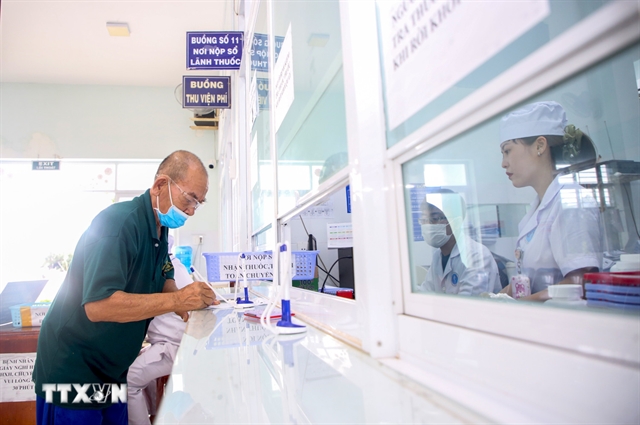
| Citizen preparing for a medical examination. VNA/VNS Photo |
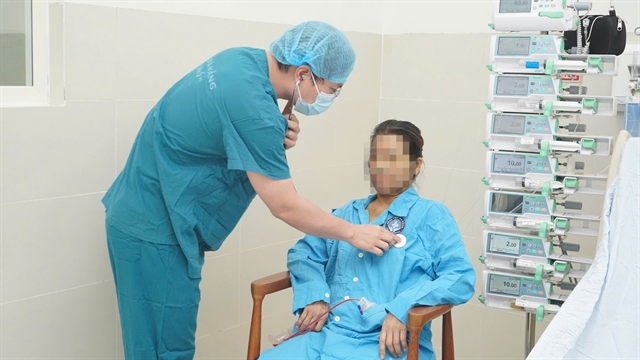
HÀ NỘI — With top priority placed on ensuring residents welcome Tết Bính Ngọ 2026 in safety and peace of mind, the capital’s health sector has activated a multi-layer disease surveillance system operating continuously from city entry points to neighbourhood level.
During the winter–spring transition, low temperatures and high humidity create favourable conditions for respiratory viruses such as influenza, measles and whooping cough. Since late 2025, hand, foot and mouth disease has also shown a slight upward trend. Increased travel, gatherings and festival activities during Tết and the early-year festive season further heighten the risk of transmission.
To avoid complacency or being caught off guard, Hà Nội’s health sector has placed disease prevention and control on the highest alert, maintaining round-the-clock duty throughout the holiday to ensure early detection and timely response to any outbreak.
According to Bùi Văn Hào, Director of the Hà Nội Centre for Disease Control (CDC), the city continues to record cases of hand, foot and mouth disease, influenza, measles and whooping cough. The risk of dangerous emerging or re-emerging infections, including Nipah virus, remains. In preparation for Tết and the 2026 festival season, the city has developed detailed response scenarios.
From municipal to grassroots level, health units are on 24/7 standby. The Hà Nội CDC has strengthened eight mobile response teams and instructed each local health station to establish at least two rapid response teams, ready to conduct epidemiological investigations and manage areas with detected cases or clusters, particularly of dangerous infectious diseases.
The sector aims to investigate and handle 100 per cent of detected outbreaks within 24 to 48 hours, while ensuring sufficient chemicals, equipment and protective supplies.
At Nội Bài International Airport, health monitoring of arriving passengers has been enhanced through automatic thermal scanners and professional screening measures, especially for travellers from outbreak areas. Health declaration and medical inspection procedures continue in accordance with regulations, with uninterrupted coordination among surveillance levels during the holiday.
Within communities, monitoring has been intensified in high-risk and densely populated locations such as schools, factories, offices and transport hubs. Nguyễn Công Huy, head of Mobile Team No. 6, said Tết requires heightened vigilance, as diseases can emerge at any time. Preventive health forces remain on continuous standby to safeguard public health and prevent wider transmission.
At grassroots level, local health stations have prepared detailed duty plans. Phạm Hồng Diệp, Director of Cửa Nam Ward Health Station, said staff have been assigned to 24/7 shifts, with adequate medicines and equipment secured. Surveillance of seasonal diseases and communication campaigns have been strengthened to raise public awareness.
In Quang Minh Commune, six mobile emergency teams equipped with medicines and vehicles have been established. As the commune hosts major spring festivals and a fireworks display, continuous medical coverage has been arranged to provide first aid and ensure environmental sanitation.
Health experts advise residents to maintain preventive measures during Tết, including keeping warm, ensuring food safety, wearing masks in crowded places and monitoring their health. Those experiencing symptoms such as fever, cough or prolonged fatigue are urged to seek medical advice rather than self-medicate.
Vaccination in line with recommended schedules is also encouraged to boost immunity and reduce the risk of infectious diseases during the holiday period. — VNS
Society
 Society
 Society
 Society
 Society
 Society
 Society
 Society
 Society
 Society
 Society
 Society
 Society
 Society
 Society