 Life & Style

Amid Mounting Global Health Crises, World Health Summit Closes in Berlin with New Commitments
1.
|
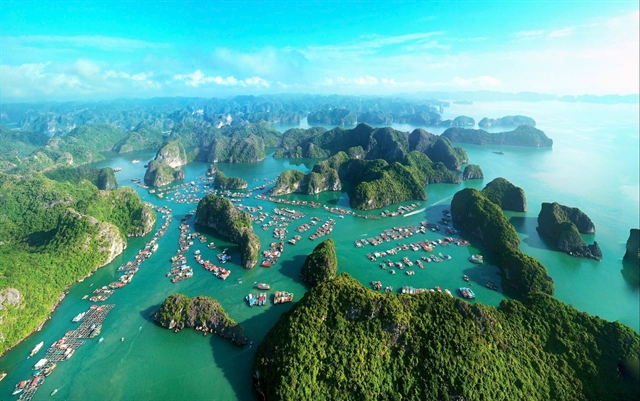
| Cái Bèo Village in Cát Bà, Hải Phòng is among Việt Nam’s oldest fishing villages. Photo baohaiphong.vn |
HÀ NỘI As Việt Nam’s tourism sector shifts decisively towards sustainable development grounded in cultural and heritage values, Hưng Yên and Hải Phòng have strong potential to develop distinctive, culturally rich tourism products, though turning heritage into effective “soft power” for socio-economic development remains a challenge that calls for long-term, strategic solutions.
Existing bottlenecks
In an effort to integrate cultural heritage into tourism development, one of the major obstacles is the inadequate and fragmented nature of tourism infrastructure.
In Hưng Yên, most heritage sites are tucked away in residential areas, with limited access and few support services. Many tours run as one-day trips, leading to brief visits and low spending from tourists. Tourism products developed along routes or by region remain disconnected, with limited experiential activities, historical re-enactments or cultural performances. River tourism, historically a strength of Phố Hiến, has yet to be effectively harnessed, while the tourism potential along the Red, Luộc, and Bắc Hưng Hải rivers remains largely untapped.
Heritage preservation also poses significant challenges, as many sites face degradation, land encroachment or excessive “modernisation” that erodes their original value. In the 2021–2025 period alone, Hưng Yên restored more than 210 heritage sites, underscoring the scale of deterioration across its heritage system.
Hải Phòng faces similar difficulties. Despite its distinctive urban architectural heritage, many historic structures have not received adequate investment, and strong heritage-based tourism chains have yet to take shape. Several French colonial villas and religious sites are deteriorating, while linkages between heritage attractions and tourism services remain incomplete. Night tours, walking tours and urban heritage experiences have been introduced, but have yet to establish a distinctive identity compared with other major cities. Digital transformation at heritage sites remains limited, with shortages of guides and unengaging interpretive content.
Experts also noted that spiritual and heritage tourism products in Hải Phòng lack strong integration between heritage sites, services and communications. Insufficient coordination among State agencies, businesses and local communities has prevented many heritage values from being fully tapped. Challenges related to tourism human resources, weak heritage storytelling and fragmented promotional efforts persist, including the absence of joint campaigns between Hưng Yên and Hải Phòng despite their shared inter-provincial tourism potential.
|
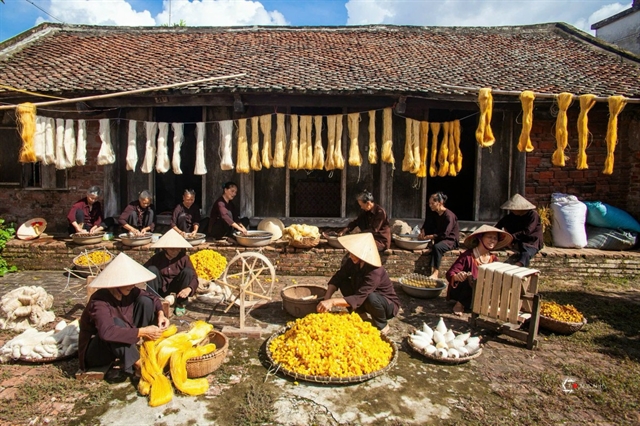
| Hưng Yên is home to Nam Cao silk village with over 200 years of sericulture tradition. Photo congthuong.vn |
Heritage driving sustainable tourism
According to Bùi Thị Lương, Deputy Director of the Hưng Yên Department of Culture, Sports and Tourism, the province aims to develop more tourism products to enhance the appeal of northern Việt Nam, with cultural and spiritual tourism as its core product. At the same time, Hưng Yên is promoting craft village tourism, coastal tourism, resort and eco-tourism, community-based tourism and river tourism.
Key destinations shaping the province’s tourism brand include the special national relic complex of Phố Hiến, Cồn Đen eco-tourism area, Đậu An Temple and Keo Pagoda, a uniquely designed wooden pagoda. In recent years, Hưng Yên has actively implemented the “Heritage Road – One journey, multiple destinations” model, linking major sites such as Phố Hiến, Đa Hòa, Đa Trạch, Keo Pagoda and traditional craft villages, while expanding connections with Hà Nội and Hải Phòng to create diversified tourism chains.
Beyond its dense heritage system, Hưng Yên is home to valuable craft villages, including Nam Cao silk village with over 200 years of sericulture tradition. With a 54km coastline, the province is also developing coastal resort destinations such as Cồn Vành and Cồn Đen to enrich visitor experiences.
|
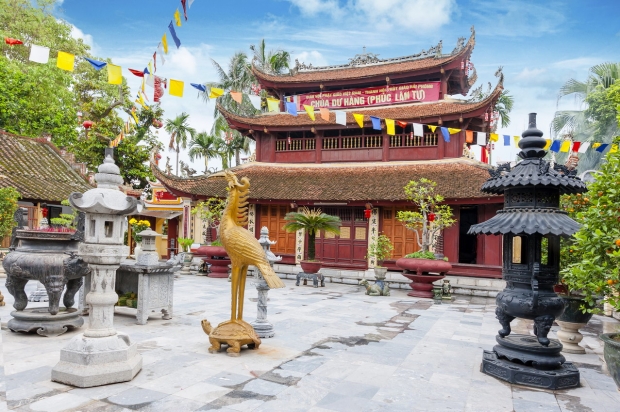
| Dư Hàng Pagoda in Hải Phòng. Photo chuaviettoancau.com |
Hưng Yên is rolling out several initiatives to balance heritage preservation with tourism growth. In 2023, the provincial People’s Committee approved a VNĐ120-billion (US$4.5-million) project to restore and enhance the Phố Hiến special national relic complex during 2023–2025, covering 16 heritage sites. At the same time, the province is carrying out a 2021–2025 programme to prevent deterioration at 107 sites, with a budget of VNĐ73 billion. Many tourist spots are also introducing digital technologies like AR and VR to create fresh cultural experiences and boost visitor engagement.
Under Hải Phòng’s tourism development master plan to 2025, with a vision to 2030, urban tourism and the night-time economy have been identified as key products. The city aims to preserve and restore valuable historical and architectural works, while developing heritage-linked routes such as the Museum–Nghè Temple–Opera House–Tam Bạc Lake corridor, and routes connecting Hàng Kênh Communal House, Dư Hàng Pagoda and the old quarter. Notably, in 2024, Hải Phòng promoted Cát Bà heritage on CNN for the first time, generating positive international attention.
Alongside urban tourism, Hải Phòng has developed experiential heritage products, designing thematic heritage routes and tours focusing on historical, revolutionary and spiritual sites, while enhancing the value of traditional festivals.
|
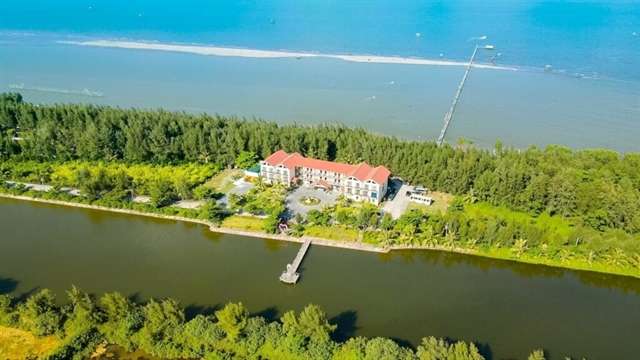
| Cồn Đen eco-tourism area in Hưng Yên is one of the key destinations shaping the province’s tourism brand. Photo dulichconden.vn |
Hải Phòng has continued to work with organisations and tourism businesses to address bottlenecks in inter-provincial tourism linkages through cooperation agreements, joint promotion, human resource development and product improvement, with a focus on attracting international visitors and ensuring sustainable benefits for businesses and local communities.
Experts observed that Hưng Yên’s heritage reflects the Red River Civilisation, ancient river ports, long-established communities and a dense network of temples, pagodas and craft villages. Hải Phòng’s heritage bears the imprint of a port city, French architecture, modern history and coastal folk beliefs. This complementarity offers ideal conditions for joint tourism development, opening up routes such as Hà Nội–Hưng Yên–Hải Phòng along the Red River, the Phố Hiến–Xích Đằng–Hải Phòng Museum–Nghè Temple–Hàng Kênh heritage route, and spiritual journeys linking Keo Pagoda, Mother Goddess temples, Dâu Island and Bạch Đằng River.
With strategic planning and an identity-based approach, heritage tourism in Hưng Yên and Hải Phòng is gradually affirming its role in socio-economic development, contributing to the image of a dynamic region rich in tradition and resilience over time. VNA/VNS
Life & Style
 Life & Style
 Life & Style
 Life & Style
 Life & Style
 Life & Style
 Life & Style
 Life & Style
 Life & Style
 Life & Style
 Life & Style
 Life & Style
 Life & Style
 Life & Style
 Life & Style