 Travel
Sơn La holds second coffee festival, targeting stronger businesses in future
1.
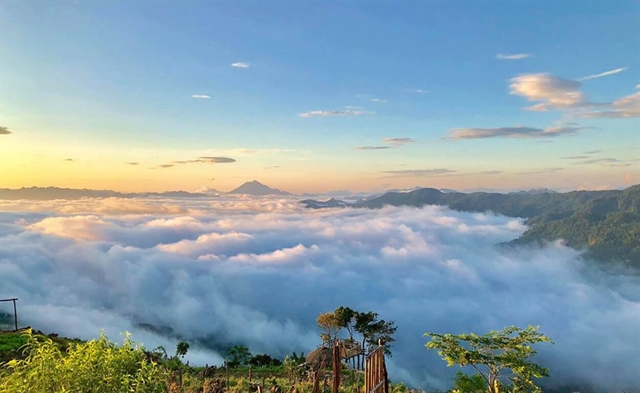 |
| Pà Cò Commune in Phú Thọ Province is a place where mornings begin in a sea of clouds. — Photo maichauhideaway.com |
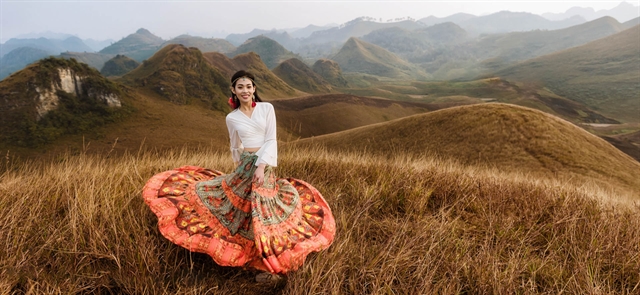
PHÚ THỌ — At more than 1,000m above sea level, Pà Cò Commune in Phú Thọ Province is a place where mornings begin in a sea of clouds and the rhythms of daily life remain deeply rooted in tradition.
Nestled among mist-covered mountains in northern Việt Nam, the highland commune has emerged as one of the region’s most intriguing community tourism destinations, drawing travellers in search of both natural beauty and authentic cultural experiences.
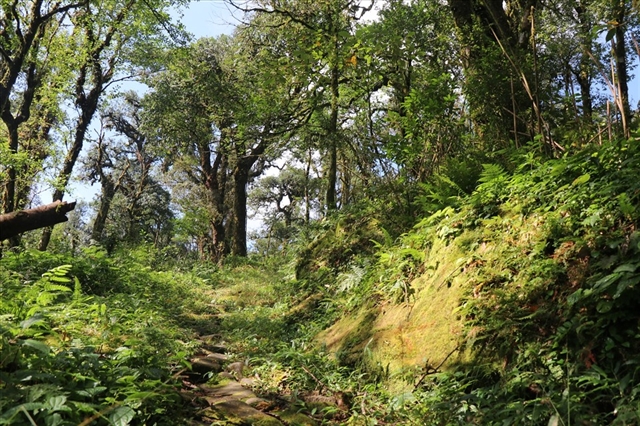
For visitors arriving in Pà Cò, the first impression is often the landscape. Mountain roads wind through rolling tea hills, plum orchards and ancient forests, while cool temperatures provide a welcome escape from the heat of the lowlands. Throughout the year, a veil of mist drifts across the valleys, creating scenes that feel almost dreamlike.
However, the true charm of Pà Cò extends far beyond its scenery.
The commune is home to a large Mông population whose cultural traditions remain woven into everyday life. Walking through the villages, travellers encounter wooden stilt houses scattered across the hillsides and artisans carefully practising skills passed down through generations. Women sit outside their homes weaving brocade textiles, dyeing fabrics with indigo and creating intricate patterns using beeswax on linen cloth.
The cultural experience continues at the dining table. Local cuisine reflects both the mountain environment and the agricultural traditions of the Mông people. Meals frequently feature pork, black chicken, hand-pounded sticky rice cakes, corn wine and seasonal vegetables grown on nearby hillsides.
What distinguishes Pà Cò from many emerging tourism destinations is its commitment to protecting these cultural traditions while creating new economic opportunities for residents.
In recent years, community tourism households have invested in improving accommodation and developing new visitor experiences. The night market has become a popular attraction, offering guests an opportunity to sample local food, browse handmade products and experience traditional music and dance. Other activities include tea picking, textile workshops and guided visits to nearby villages, giving travellers a deeper understanding of local life.
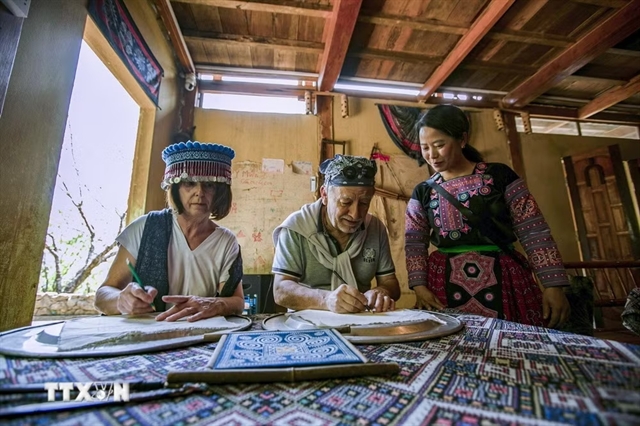 |
| French tourists experience beeswax painting on Mông brocade fabric at Y Múa Homestay in Pà Cò Commune.— VNA/VNS Photo |
Homestays have played a particularly important role in the commune’s tourism development. Establishments such as Y Múa Homestay, A La Homestay and Y Sao Homestay provide visitors with comfortable accommodation while maintaining the character of traditional Mông homes. Rather than simply serving as places to sleep, these homestays function as cultural gateways, allowing guests to share meals with local families and participate in daily activities.
The results have been significant. Pà Cò now welcomes more than 5,000 visitors each year, with international travellers accounting for over 60 per cent of arrivals. For a remote mountain community, tourism has become an increasingly important source of income and employment.
According to Vàng A Nhà, owner of Y Múa Homestay, the property receives more than 2,000 domestic and international guests annually. In normal years, the business generates hundreds of millions of đồng in income while creating jobs for around 20 residents. The model demonstrates how community-based tourism can provide economic benefits while encouraging people to remain in their villages and preserve traditional ways of life.
Alongside tourism, Pà Cò has been developing another pillar of its economy. That is clean agriculture to support tourism here.
Benefiting from a cool climate and favourable soil conditions, the commune has gradually shifted from traditional farming methods towards safer and more sustainable agricultural production. Local authorities have encouraged farmers to adopt practices that meet market demand while protecting the environment, creating a strong connection between agriculture and tourism.
One example is the Chà Đáy Tourism and Agricultural Development Cooperative, established by households involved in community tourism. While the cooperative promotes local tourism, it also supports the production of clean agricultural products for both visitors and wider markets.
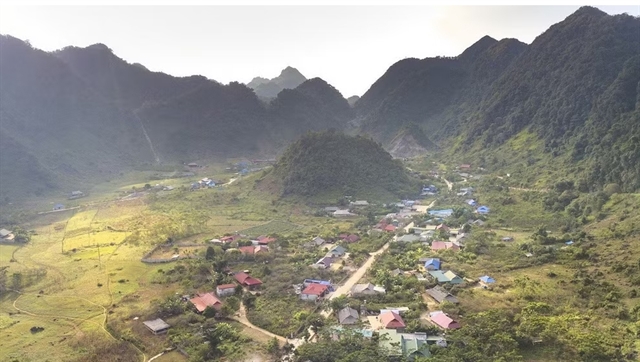 |
| Pà Cò Commune viewed from above. — VNA/VNS Photo |
Farmers cultivate key crops such as chayote, passion fruit and a variety of vegetables using safe production methods. These products are supplied directly to homestays and restaurants, ensuring visitors enjoy fresh local ingredients while creating a stable source of income for farming households.
Across the commune, five agricultural cooperatives now operate in crop cultivation and forestry. Although relatively modest in scale, they have become important centres for organising production, creating jobs and improving rural livelihoods.
The relationship between tourism and agriculture is perhaps most visible through visitor experiences. Rather than separating production from tourism, residents have integrated the two.
Travellers can join textile workshops before purchasing handmade brocade products as souvenirs, helping ensure traditional crafts remain economically viable. Tea cultivation offers another example. Pà Cò’s Shan Tuyết tea, grown on mountain slopes, has become a tourism product in its own right. Visitors can accompany farmers into the fields, learn about harvesting and processing techniques and enjoy freshly brewed tea while overlooking cloud-covered valleys.
Other specialities, including forest honey, upland rice and organic vegetables, are also sold through homestays and community tourism programmes. In this way, tourism serves as a natural platform for promoting and marketing local products while strengthening links between production, services and consumption.
Challenges remain. Mountain roads can still be difficult to access, tourism skills vary among households and marketing efforts have yet to reach their full potential. Local authorities and development organisations continue to support training programmes, infrastructure improvements and destination branding initiatives aimed at helping Pà Cò compete in an increasingly crowded tourism market. — VNS
Travel
 Travel
 Travel
 Travel
 Travel
 Travel
 Travel
 Travel
 Travel
 Travel
 Travel
 Travel
 Travel
 Travel
.jpg) Travel
Travel