 Travel

Việt Nam, Singapore promote cooperation through Party-to-Party channel
1.
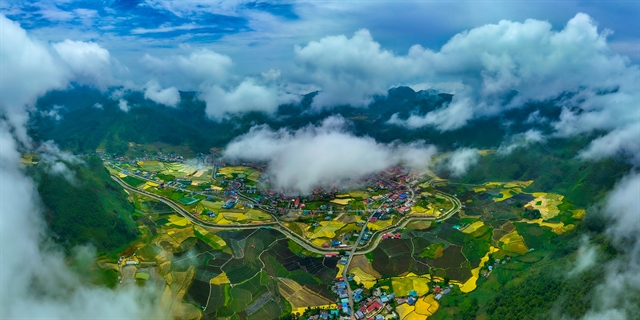 |
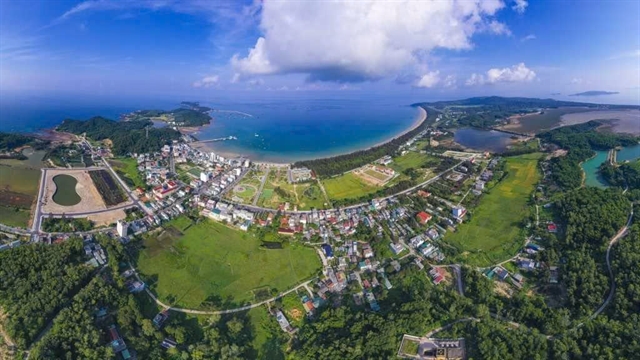
| Sìn Hồ Plateau viewed from above. — Photo dulichlaichau.vn |
LAI CHÂU — Towering mountains, cool air and vibrant ethnic traditions are drawing more travellers to the Sìn Hồ Plateau, often described as the 'roof of Lai Châu' and one of northwestern Việt Nam’s most striking highland destinations.
Long favoured by visitors seeking unspoilt natural beauty, the plateau offers dramatic scenery and a rich cultural landscape that rivals better-known destinations such as Sa Pa.
Located about 60km west of the former Lai Châu City, now part of Tân Phong and Đoàn Kết wards, Sìn Hồ is a mountainous border area known for its rugged terrain and sweeping views.
The plateau is home to diverse ethnic communities, including the Mông, Dao and Thái peoples, many of whom continue to preserve distinctive customs and lifestyles closely connected to nature.
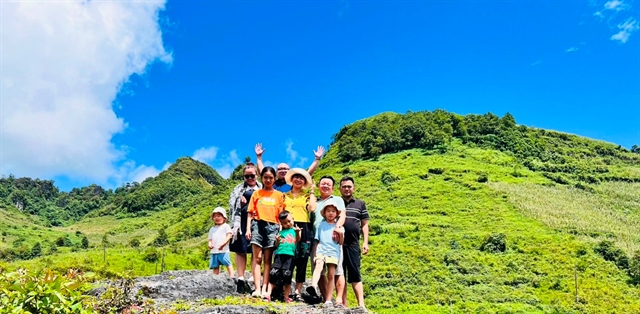 |
| Tourists enjoy taking photos and checking in on the plateau. — Photo vtv.vn |
At an average elevation of around 1,500m above sea level, Sìn Hồ enjoys a mild climate throughout the year, with temperatures averaging about 18 degrees Celsius. The area is rarely affected by typhoons, making it an attractive destination in every season, especially during summer when lowland areas endure intense heat.
Sìn Hồ is known for its rich natural diversity. Visitors can explore vast primeval forests, rolling terraced rice fields that change from lush green to golden shades and a mesmerising sea of clouds drifting across mountain peaks. Peaceful villages scattered along the slopes also offer a glimpse into daily life and local culture.
Beyond its scenic beauty, Sìn Hồ has strong potential for agricultural development linked to eco-tourism. Its cool climate is well-suited to cultivating medicinal plants such as Panax notoginseng and a range of herbal species used in traditional remedies, including herbal baths practised by the Dao people. The region also produces temperate fruits such as plums, peaches and pears, contributing to its agricultural diversity.
Each season brings its own appeal. In spring, hillsides are covered in blooming peach and plum blossoms, creating a soft and romantic landscape.
Summer is ideal for cloud hunting and exploring terraced fields as the rice begins to ripen. Autumn brings crisp weather and sweeping mountain views, while winter offers a quieter atmosphere, with opportunities to experience Dao herbal baths and, at times, snowfall.
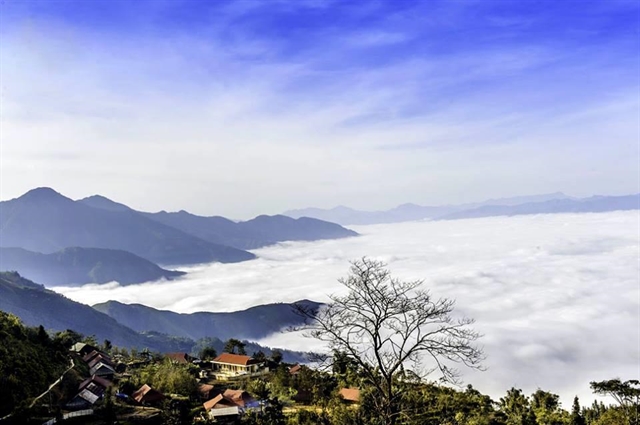 |
| A sea of white cloud in Sìn Hồ Plateau. — Photo vietnamnet.vn |
Among Sìn Hồ’s many attractions, several destinations stand out. In Tả Phìn Commune, Đá Ô Mountain is known for a striking basalt rock formation shaped like an umbrella, linked to local legends of an immortal traveller. Nearby, Ông Tiên Cave draws visitors with intricate stalactites formed over thousands of years, creating a mysterious and spiritual atmosphere.
Sà Dề Phìn Village, located at an altitude of more than 1,700m, is renowned for its ancient tea forests, Hoàng Hồ Lake and a dramatic waterfall cascading down steep terrain. The area combines rugged natural beauty with a sense of tranquillity, making it well-suited to eco-tourism and relaxation.
Tả Phìn Village offers a glimpse into traditional highland life, featuring stone houses more than 200 years old, orchards of plum and pear trees and terraced fields during harvest season. Visitors can take part in local activities ranging from handicraft making to cultural festivals, making the village a strong model for community-based tourism.
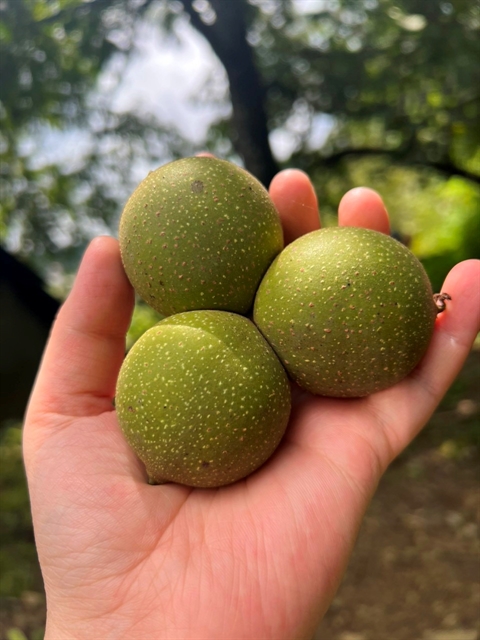 |
| One little-known specialty of Sìn Hồ is walnuts. — Photo vtv.vn |
Cuisine is another highlight of Sìn Hồ. Local specialities include black chicken, stream fish, thắng cố (a traditional stew), corn wine, purple sticky rice and black bánh chưng, a traditional rice cake. The latter, a distinctive dish of the Dao people, is made from sticky rice mixed with natural plant ash, giving it a unique colour and flavour. Purple sticky rice, dyed with forest plants, is not only visually striking but is also valued for its health benefits.
In recent years, Sìn Hồ has been identified as a key area for tourism development. Under a planning project approved by Lai Châu authorities, the Sìn Hồ Plateau is expected to become a national tourist area and an important growth hub for the northern midlands and mountainous region.
The plan provides a legal framework for investment and sustainable development, to improve infrastructure, services and connectivity with neighbouring provinces such as Lào Cai and Điện Biên. It also envisions the plateau as part of a broader tourism network across the northwest.
By 2030, the area is projected to welcome more than 70,000 visitors, with long-term estimates exceeding one million by 2050. The development plan, covering nearly 25,000ha, outlines improvements in land use, infrastructure, environmental management and social services.
With a focus on green and sustainable tourism, Sìn Hồ is expected to develop a range of offerings, including eco-tourism, resort tourism, community-based experiences, cultural exploration, health tourism and adventure travel. The efforts are intended to preserve the region’s natural and cultural values while strengthening its position as a distinctive destination on Việt Nam’s tourism map.
Blending untouched landscapes with vibrant cultural heritage, the Sìn Hồ Plateau continues to reveal its quiet charm. As infrastructure improves and sustainable tourism develops, the roof of Lai Châu is steadily emerging as one of the northwest’s most promising destinations. — VNS
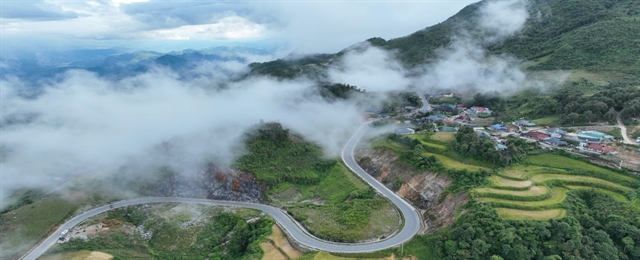 |
| The fascinating route to Sìn Hồ Plateau. — Photo thethaovanhoa.vn |
Sìn Hồ at a glanceLocation: Situated in the Sìn Hồ area of Lai Châu Province, about 60km west of the former Lai Châu City, now part of Tân Phong and Đoàn Kết wards.Elevation: Around 1,500m above sea level.Climate: Cool throughout the year, with an average temperature of about 18°C.How to get there: From Hà Nội, travel around 400km to Lai Châu by coach or private car, a journey of about eight to 10 hours. From the former Lai Châu City, continue roughly 60km by road to reach Sìn Hồ.Note: Visitors should be prepared for mountainous terrain and cooler temperatures, especially at night. — VNS
Travel
 Travel
 Travel
 Travel
 Travel
 Travel
 Travel
 Travel
 Travel
 Travel
 Travel
 Travel
.jpg) Travel
Travel
 Travel
 Travel