 Travel

MoIT to build system to flag unusual fuel price movements
1.
|
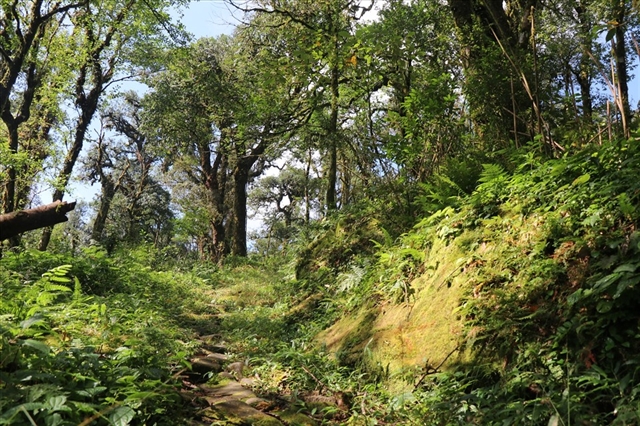
| The road winds through the forests. — Photo laodong.vn |
Nestled among the towering slopes of the Nhìu Cồ San mountain range, the ancient Pavie stone road stands as a witness to the history of Việt Nam’s northwest.
For more than a century, this once-vital trade route lay hidden beneath forest canopies and the passage of time. Today, it has been 'reawakened', attracting trekkers and nature lovers eager to explore its unique blend of history and wilderness.
Constructed in 1920 during the French colonial period, the road was surveyed and supervised by Governor Auguste Jean-Marie Pavie, from whom it takes its name. It was designed to transport food and agricultural goods while strengthening control over remote border areas. At the time, it served as a crucial link between Lai Châu and Lào Cai provinces.
Built entirely of stone and about three metres wide, the road could accommodate both pedestrians and pack horses. Along the route, the French established patrol outposts and even constructed an airstrip near Nhìu Cồ San Village to support transport across the rugged terrain. Despite wars and decades of neglect, around 17km of the original road remain remarkably intact today.
.jpg)
|
| Along the ancient stone path, there are large boulders hidden beneath the leaves. — VNA/VNS Photo |
This preserved section stretches from Sàng Mà Pho Village in Sin Suối Hồ Commune (Lai Châu) to Nhìu Cồ San Village in Dền Sáng Commune (Lào Cai). For generations, local people used the road quietly for daily travel. It was not until around 2017, when images of its moss-covered stones began circulating online, that the Pavie road gained recognition as a trekking destination.
Tourist Nguyễn Quang Vinh from Hà Nội said: “The pristine scenery, the cool stream and the feeling of walking on the centuries-old stone path are truly special. Pavie deserves to be a legendary trekking route in northwest Việt Nam.”
Most visitors begin their journey from Sàng Mà Pho, where the terrain is gentler and more accessible.
Getting there from Hà Nội, however, requires a long journey of roughly 400km through winding mountain passes, often taking eight hours or more. Many travellers choose to arrive early or stay overnight in the village to rest and prepare.
Spending a night in Sàng Mà Pho offers a chance to experience the daily life of the local Mông people and gather energy for the trek ahead. The road leading into the village is steep and narrow, flanked by cliffs and deep valleys, giving visitors an early taste of the region’s dramatic landscape.
Treks along the Pavie stone road typically begin at dawn. Hiring local guides is strongly recommended, as they help carry supplies, prepare meals and ensure safety throughout the journey. Their knowledge of the terrain is especially valuable in unpredictable mountain conditions.
|
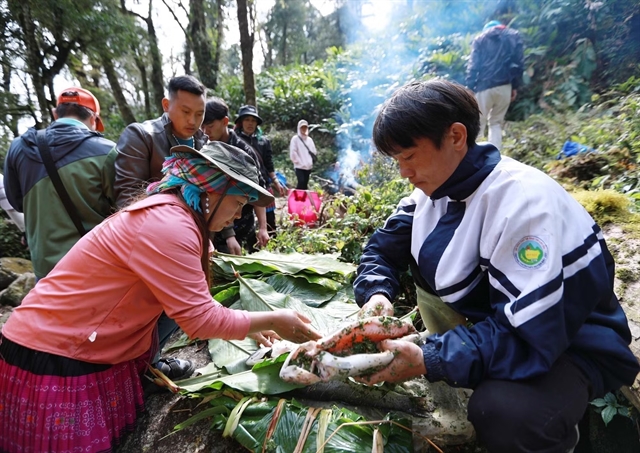
| During stops along the route, tourists can enjoy dishes prepared by local people. — VNA/VNS Photo |
The first stretch of about five kilometres is relatively easy, with gentle slopes and occasional signs of human activity. Over time, frequent use has smoothed the stones along this section. As the path climbs higher, however, the landscape grows quieter and more remote.
The ancient stones become more visible, covered in thick green moss that makes the trail both beautiful and slippery.
In return for the challenge, the scenery becomes increasingly breathtaking. Dense forests surround the trail, interwoven with cardamom plantations that thrive in the cool mountain climate. Hikers may encounter local farmers harvesting cardamom, their baskets filled with fragrant produce - a glimpse into the region’s enduring way of life.
The ecosystem along the route is diverse and constantly changing. Towering trees with twisted trunks and wide canopies create a layered forest environment. Sunlight filters through the leaves, casting shifting patterns on the stone path and giving the journey a dreamlike quality.
As trekkers approach the natural border between Lai Châu and Lào Cai, they encounter a clear mountain stream flowing over rocks. The water is cool and transparent, with small fish visible beneath the surface. Many stop here to rest, soak their feet and enjoy a rare moment of refreshment during the long hike.
Around midday, groups often pause at Wind Pass, located at an altitude of about 2,000m. This point marks the boundary between the two provinces and is known for both its sweeping views and the spiritual stories associated with it. Sitting in the fresh mountain air, listening to the forest, travellers often find their fatigue replaced by a deep sense of calm.
The journey ends at Nhìu Cồ San Village, where the landscape gradually opens up and signs of daily life reappear. Cardamom fields become more frequent, and farmers can be seen tending their crops.
For local residents, the ancient road remains a practical shortcut, allowing travel between provinces in just a few hours compared to the long, winding journey by modern roads.
|
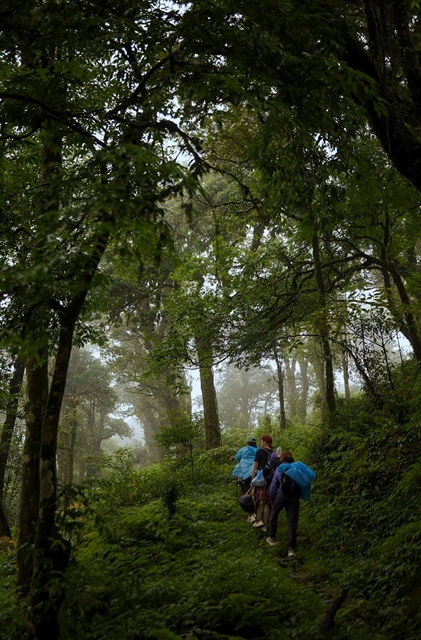
| The ancient Pavie road connects two villages in Lai Châu and Lào Cai provinces. — Photo dulich.laichau.gov.vn |
Today, authorities in Lai Châu and Lào Cai are working together to preserve the Pavie stone road and develop it into a sustainable tourism route.
Chairman of Dền Sáng Commune People's Committee, Phạm Trung Kiên, said: “In the future, the two localities will develop community tourism, ecotourism, and heritage tourism based on this ancient road.
"This is a strategic starting point for developing the inter-provincial tourism route between Lào Cai and Lai Châu.”
More than just a trekking path, the Pavie stone road serves as a bridge between past and present. Its revival not only offers visitors a memorable journey through the mountains but also creates new opportunities for local communities, contributing to a more sustainable future in the northwest. — VNS
|
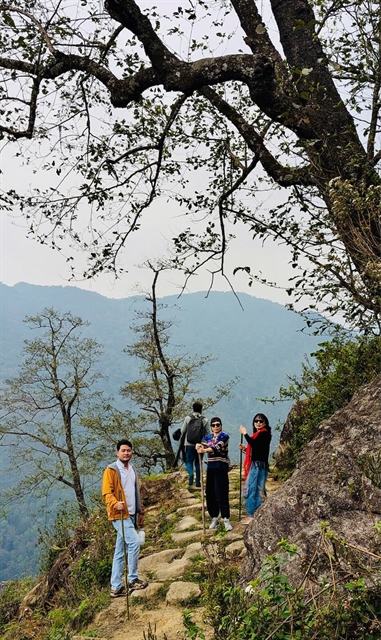
| The scenery around the ancient Pavie stone road is picturesque. — Photo baolamdong.vn |
Travel
 Travel
 Travel
 Travel
 Travel
 Travel
 Travel
 Travel
 Travel
 Travel
.jpg) Travel
Travel
 Travel
 Travel
.jpg) Travel
Travel
 Travel