 Features

VR experience brings history to life for Hà Nội students
1.
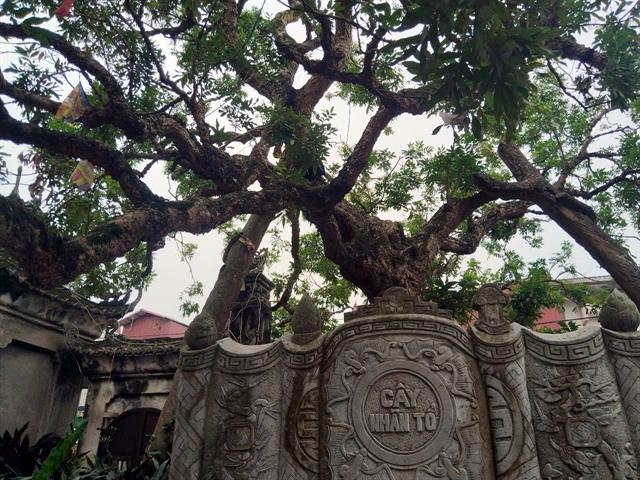 |
| An ancestral longan tree more than 300 years old is preserved at the Hiến Pagoda historical complex in Hồng Châu Ward. — VNA/VNS Photo |
Thanh Nga
For centuries, longan has been part of the landscape and identity of Hưng Yên, prized for its crisp, fragrant flesh and closely associated with Phố Hiến, the once-bustling trading port on the Red River.
Now, as another harvest gets underway, this centuries-old speciality is finding new ways to reach consumers. Growers are turning to digital platforms to sell their fruit, while dried longan, traditional sweet dishes and honey from longan blossoms are helping extend the crop’s value well beyond the harvest season.
The changes reflect a broader effort to preserve the heritage of Hưng Yên longan while giving farmers and producers more opportunities to turn one of the province’s best-known fruits into year-round value.
The traditional knowledge of growing and processing Hưng Yên longan was recognised in 2026 by the Ministry of Culture, Sports and Tourism as national intangible cultural heritage under the categories of folk knowledge and traditional handicraft.
An ancestral longan tree more than 300 years old is preserved at the Hiến Pagoda historical complex in Hồng Châu Ward. It is considered the source of the variety that has helped make Hưng Yên longan famous.
The province currently has more than 5,800ha of longan. More than 80 per cent of the output is consumed as fresh fruit, while around 20 per cent is processed into dried longan and other products.
The province has more than 400 households engaged in dried longan processing, with more than 20 One Commune, One Product (OCOP) items rated three or four stars.
Hưng Yên longan is known for its thin, smooth peel, small seed and thick, crisp flesh. When peeled, the pale, translucent flesh has an amber-like appearance, with a sweet and refreshing fragrance.
The fruit is mainly eaten fresh during the season, but local producers have long processed it to extend its shelf life and add value. One of the best-known products is long nhãn, or dried longan pulp. The flesh is separated from the peel and seed before being dried. The product can be stored for longer periods and sold beyond the fresh longan season.
Long nhãn is used in traditional herbal preparations and is also an ingredient in food and drinks. It is commonly used in sweet dishes, including chè sen long nhãn (lotus seed and dried longan sweet soup)
The dish combines two products associated with northern Vietnamese food culture. Dried longan pulp provides sweetness and fragrance, while lotus seeds add a soft texture and a mild, nutty flavour.
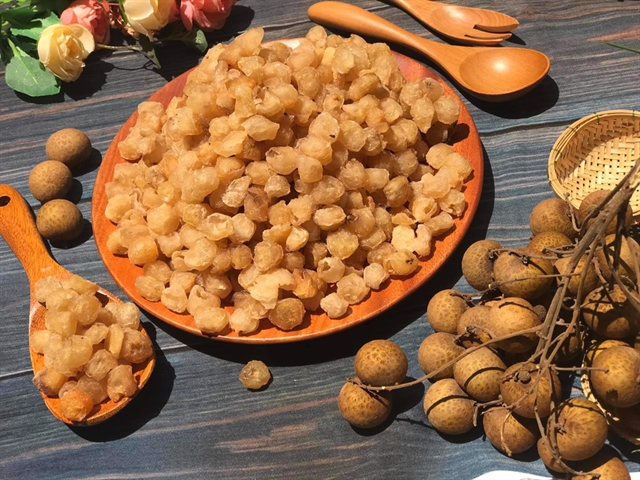 |
| Dried longan pulp is used in traditional herbal preparations and as an ingredient in food and drinks. — Photo dorungtaybac.com |
The link between longan and local food culture was highlighted at the 2026 Hưng Yên Longan Festival and Trade Promotion Programme, which included activities featuring longan pulp processing and the preparation of chè sen long nhãn.
The festival also showcased a range of processed products, reflecting efforts by local producers to make greater use of the crop instead of relying solely on fresh fruit sales.
For farmers, processing provides another way to make use of the harvest and gives products a longer selling period. Provincial figures show that around one-fifth of Hưng Yên’s longan output is already processed into dried longan and other products.
Flowers bring honey
The longan tree provides another product before its fruit is harvested.
During the flowering season, longan blossoms provide nectar and pollen for bees. Beekeepers place hives near longan-growing areas to collect the nectar, producing longan blossom honey.
Longan blossom honey is another agricultural product associated with Hưng Yên’s longan orchards. Alongside fresh and dried longan, it has been developed and promoted as part of the province’s agricultural product range.
The honey has a characteristic floral fragrance and gives beekeepers another opportunity to benefit from the orchards.
The link between the fruit, its dried pulp and its flowers gives the longan tree a broader role in the local agricultural economy. Fresh longan is sold during the harvest, while dried longan and other processed products can be marketed for longer periods. The flowers, meanwhile, support honey production during the flowering season.
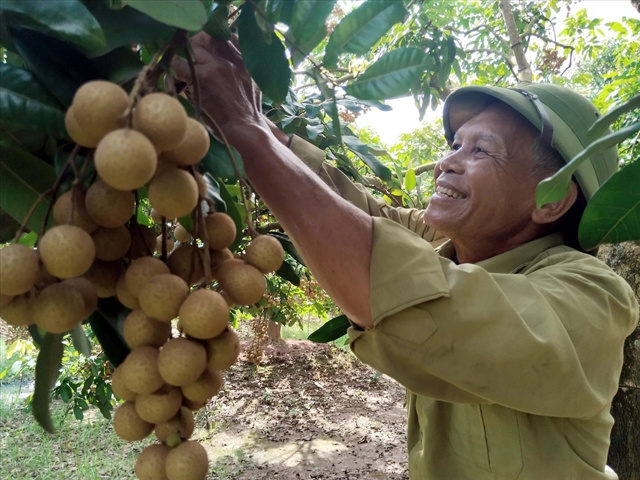 |
| Farmer Bùi Xuân Tám of Tân Hưng Commune, Hưng Yên Province, owns the locality’s largest area devoted to a large-fruited longan variety. — VNA/VNS Photo |
Some local cooperatives have developed several products from the same agricultural area, combining fresh fruit with processed products and other local specialities.
In Tân Hưng, farmers have also preserved old speciality longan trees in their gardens and propagated high-quality varieties for wider cultivation. The work helps maintain local planting material while supporting production.
Trần Văn Mý, chairman of Quyết Thắng Cooperative in Tân Hưng, says longan remains closely connected with local farming traditions as well as household incomes.
Growers have to pay attention to varieties, cultivation techniques and harvesting times to maintain the quality of the fruit. Developing processed products also gives farmers more options when the harvest is at its peak.
Beyond the orchard
The province is now adding another sales channel through digital commerce. As part of the 2026 Hưng Yên Longan Festival and Trade Promotion Programme, two livestream sessions were held on TikTok in early August, bringing together content creators, cooperatives, producers and businesses.
The first session, held on August 7, attracted more than 15,000 views, around 50,000 interactions and nearly 500 orders, according to the Ministry of Industry and Trade.
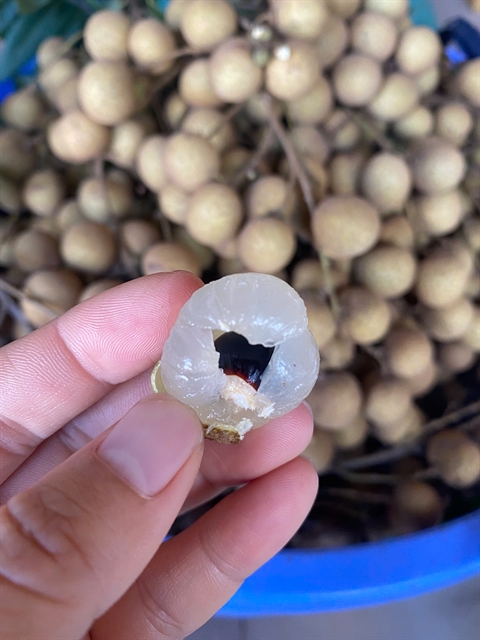 |
| Hưng Yên longan is known for its thin, smooth peel, small seed and thick, crisp flesh. — VNA/VNS Photo |
The sessions promoted Hưng Yên longan alongside other signature agricultural products from the province. For growers who have traditionally relied on local markets and established distribution networks, livestreaming provides a direct way to introduce their products to consumers elsewhere.
Buyers can see the fruit and processed products, hear producers explain their origins and place orders without travelling to the orchards.
The programme was organised by the Hưng Yên Department of Industry and Trade in coordination with the E-Commerce and Digital Economy Development Centre under the Việt Nam E-Commerce and Digital Economy Agency under the Ministry of Industry and Trade. The Việt Nam Trade Promotion Agency also took part in the programme.
For Hưng Yên producers, digital sales provide another channel for introducing a wider range of products associated with the longan tree to consumers beyond the province.
From fresh fruit and long nhãn to chè sen long nhãn and honey collected from longan blossoms, the crop has developed into a range of products with different uses and selling periods.
Now, growers and cooperatives are using digital platforms to take those products beyond traditional markets, giving a centuries-old local speciality a new route to consumers. — VNS
Features
 Features
 Features
 Features
 Features
 Features
 Features
 Features
.jpg) Features
Features
 Features
 Features
 Features
 Features
 Features
 Features