 Features

Talent a strategic national resource for development: Deputy PM
1.
.jpg) |
| TOP VISIT: Visitors flock to Bà Đen Mountain, a popular destination in Tây Ninh Province. Photo vietnamtourism.gov.vn |
TÂY NINH —From green homestays tucked into the countryside to modern hotels taking shape in the city, Tây Ninh is expanding its accommodation options to give visitors more reasons to stay longer and experience the province beyond its well-known attractions.
In addition to large-scale hotels and resorts, businesses are investing in homestays and farmstays that combine nature-based experiences with local culture, enriching the province's tourism offerings.
Homestays, in particular, have become increasingly popular among travellers seeking tranquil natural surroundings, greater privacy and flexible accommodation at reasonable prices.
Beyond providing a place to stay, many also offer local cuisine, outdoor activities and cultural experiences, creating distinctive tourism products.
One notable example is Bên Suối Homestay in Bình Minh Ward.
Surrounded by lush greenery while remaining conveniently connected to Tây Ninh City centre and the Bà Đen Mountain National Tourist Area, the property features 12 fully equipped guest rooms, landscaped gardens, barbecue facilities and a recreation area, catering to a wide range of visitors.
Eco-friendly accommodation
According to Phạm Thị Lan Hương, director of Tây Ninh Homestay Co Ltd, today's travellers are no longer looking simply for overnight accommodation. Instead, they seek relaxing environments close to nature and memorable experiences.
Her company has therefore adopted a green hospitality model that combines environmental sustainability with modern comforts.
She said sustainable growth of the accommodation sector would require continued investment in transport infrastructure linking tourism destinations, alongside policies enabling small businesses to access preferential financing to expand operations, improve service quality and encourage visitors to stay longer.
Beyond the city centre, the foothills of Bà Đen Mountain have also seen the emergence of eco-friendly accommodation such as Ba Den Garden (Hương Sen Quán) and Mekong Camping, offering nature-based retreats for families, groups of friends and tour parties while diversifying the province's lodging options.
Tourists today increasingly value authentic local experiences rather than simply visiting well-known attractions, according to Nguyễn Trần Hoàng Phương, chairman of Golden Smile Development JSC and vice chairman of the Tây Ninh Tourism Association.
Developing community-based tourism alongside homestays and farmstays is therefore an effective way to enrich visitor experiences and extend their stays.
If properly developed and integrated with cultural, culinary, agricultural and nature-based activities, he said, these models could create a comprehensive tourism ecosystem that encourages longer stays and higher visitor spending.
Continued investment in transport links, service quality and the development of distinctive tourism products would further strengthen Tây Ninh's competitiveness.
 |
| Dầu Tiếng Lake draws visitors from near and far with its scenic camping spots. — Photo mia.vn |
Upgrading infrastructure
From the beginning of 2026 to date, Tây Ninh, which was merged with the Mekong Delta province of Long An in July 2025, has welcomed around 4.6 million visitors, including approximately 88,000 international arrivals, generating nearly VNĐ3.99 trillion (about US$153 million) in tourism revenue.
The figures underscore the need for further investment in high-quality tourism infrastructure, particularly accommodation facilities.
According to Nguyễn Thành Thanh, deputy director of the provincial Department of Culture, Sports and Tourism, Tây Ninh is implementing a comprehensive strategy to develop tourism into a key economic sector.
Priority is being given to flagship attractions such as the Bà Đen Mountain National Tourist Area, Dầu Tiếng Lake ecotourism and the Đồng Tháp Mười (Plain of Reeds) region in the former province of Long An, while preserving and promoting the province's historical and cultural heritage.
Promotional activities are also being strengthened to build the Tây Ninh tourism brand.
Under its tourism development plan to 2030, the province aims to attract 16.5 million visitors annually and generate VNĐ21 trillion in tourism revenue.
It also targets annual growth of 18–20 per cent in overnight visitors and plans to add three to five hotels rated three stars or above.
Building the network
The province hopes to increase the average stay of international visitors to 2.3 days and domestic visitors to 1.8 days, while raising average tourist spending.
Achieving these goals will require continued investment in a modern and integrated accommodation network.
According to the provincial People's Committee, alongside diversifying tourism products and intensifying promotional campaigns, Tây Ninh will prioritise synchronised infrastructure development.
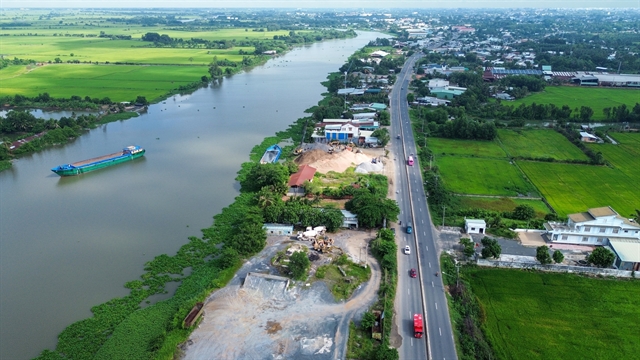
Plans include upgrading passenger ports and wharves along the Vàm Cỏ Đông River to develop waterway tourism linked with ecotourism, orchard visits, craft villages, culinary experiences and cultural and historical attractions.
The province will also improve infrastructure supporting rural and community-based tourism, including roads, environmental landscaping, rest stops and experience zones.
It will continue promoting private-sector participation through public-private partnerships (PPP) to mobilise investment beyond the state budget, particularly for tourism infrastructure and accommodation.
More places to stay
Phạm Tấn Hòa, vice chairman of the provincial People's Committee, said Tây Ninh would prioritise upgrading accommodation facilities to national standards, encourage the development of three to five hotels rated three stars or above, and accelerate construction of the Hilton Garden Inn Tây Ninh project.
The province would also continue restoring historical sites and upgrading cultural and ecological attractions, while expanding entertainment, dining and local culinary experiences.
Support would be provided for businesses developing local specialties and souvenirs, while the province would leverage its cross-border economy and logistics advantages to create new momentum for tourism growth.
With a clear development strategy and strong support from the business community, Tây Ninh is steadily strengthening its accommodation infrastructure, laying the foundation for tourism to become a key economic pillar by 2030 and reinforcing its position as an attractive destination in the Southeast region. — VNS
Features
 Features
 Features
 Features
 Features
 Features
 Features
 Features
 Features
 Features
 Features
 Features
 Features
 Features
 Features