 Features
Bắc Ninh aims for 800 OCOP-certified products by year end
1.
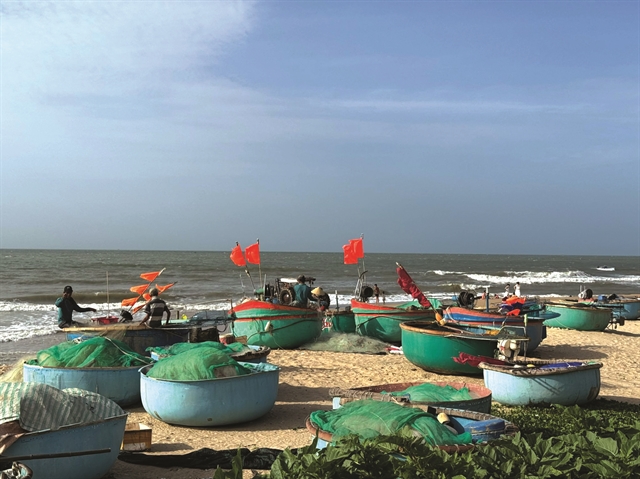 |
| COASTAL WORK: Fishing boats on a beach in Long Hải Ward, HCM City. VNS Photo Văn Châu |
For the first time, visitors to HCM City can combine the energy of Việt Nam's largest metropolis with a beach holiday without leaving the city's boundaries.
Following its merger with Bà Rịa-Vũng Tàu and Bình Dương provinces, the expanded city is poised to reshape its tourism identity by bringing urban and coastal experiences together as a single destination.
The expansion of its administrative boundaries, following HCM City's merger with Bà Rịa-Vũng Tàu and Bình Dương provinces, has brought the coastal destinations of Vũng Tàu, Long Hải and Hồ Tràm under its jurisdiction, giving it a coastline that complements its established urban attractions.
The shift opens opportunities to develop integrated tourism products, encourage longer stays and strengthen the city's appeal to international visitors.
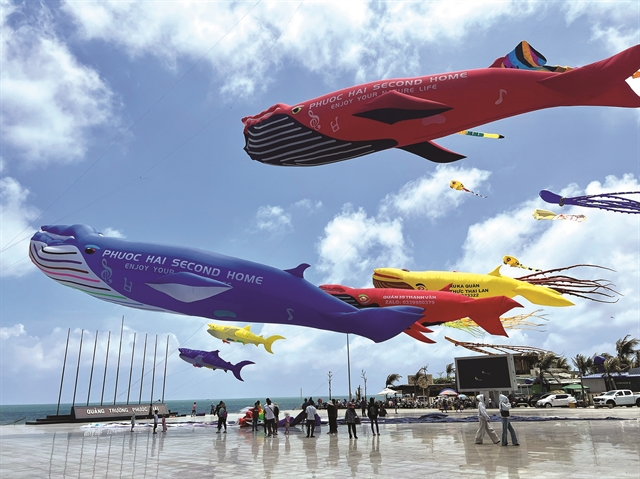 |
| POPULAR SPOT: Phước Hải Square in HCM City's Phước Hải Commune is a well-known space for locals and tourists to hang out. VNS Photo Việt Dũng |
Urban meets sea
City officials and tourism industry observers believe the move could extend visitor stays and strengthen HCM City's position as an international tourism destination.
For decades, HCM City has been Việt Nam's commercial and financial centre and one of its busiest tourism gateways, attracting millions of domestic and international visitors each year with its culture, historic landmarks, food scene, and business environment.
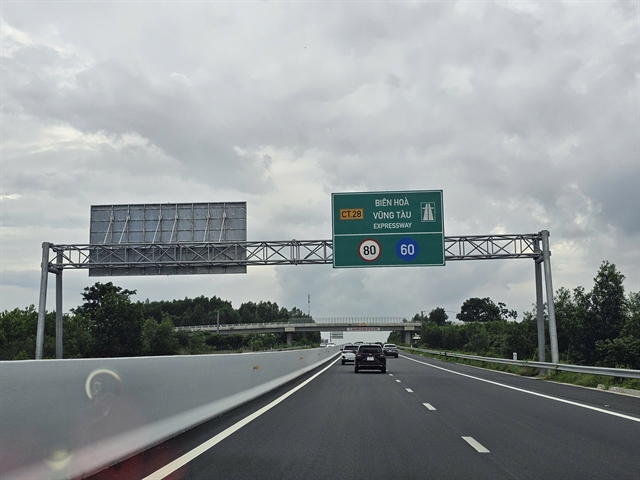 |
| QUICK AND CONVENIENT: The Biên Hòa–Vũng Tàu Expressway offers quick and convenient access to coastal destinations in HCM City.VNS Photo Văn Châu |
One thing it lacked, however, was a coastline.
Visitors seeking a beach holiday typically continued on to neighbouring provinces after exploring the city, spreading tourism spending across several destinations.
The expansion of the city's administrative boundaries has changed that.
It now has an extensive coastline featuring beaches, fishing villages, mangrove forests and established seaside resorts, placing it among a relatively small number of major cities globally able to offer both urban and beach experiences.
Tourism experts say the change provides an opportunity to rethink how the city is marketed. Instead of promoting city breaks and beach holidays separately, it can develop itineraries combining culture, gastronomy, entertainment, wellness, and beach activities.
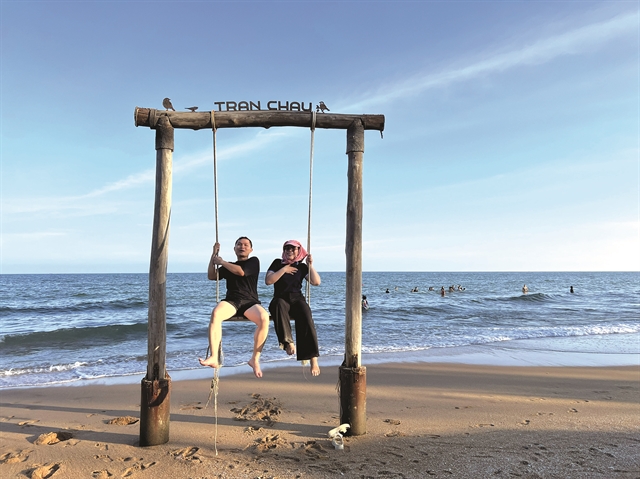 |
| LIVING IT UP: Tourists having fun at Phước Hải beach. VNS Photo Việt Dũng |
Coastal appeal
Among the newly incorporated destinations, Vũng Tàu is the best known.
For long the southern region’s favourite weekend getaway, it has well-developed tourism infrastructure and accommodation ranging from budget hotels to luxury resorts.
Besides its beaches, the city has also expanded its appeal with marinas, water sports, seafood restaurants and cultural attractions that draw visitors throughout the year.
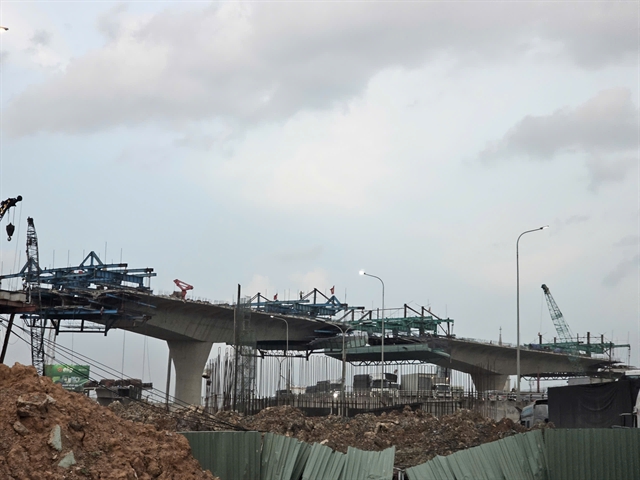 |
| BETTER CONNECTIONS: Transport infrastructure under construction improves links between urban HCM City and its coastal areas.VNS Photo Văn Châu |
Long Hải offers a quieter alternative. Its beaches, boutique resorts and coastal roads appeal to families and visitors looking for short wellness breaks, while its location between Vũng Tàu and Hồ Tràm makes it well suited to multi-stop itineraries.
Hồ Tràm, further east, has emerged as one of Việt Nam's leading resort destinations.
Investment over the past decade has transformed the area into a centre for beachfront resorts, golf courses, wellness retreats, and amusement complexes. Its relatively unspoilt coastline has made it a popular destination for higher-spending domestic and international visitors.
Together, the three broaden HCM City's appeal, catering for family holidays, luxury travel, MICE tourism, wellness retreats and marine recreation.
Transport improvements play a key role in tourism growth.
Expressways linking inner HCM City with the eastern coast have sharply reduced travel times.
The HCM City–Long Thành–Dầu Giây Expressway remains the main route to Vũng Tàu, Long Hải and Hồ Tràm, while ring roads and coastal highways under construction are expected to improve connectivity further.
The opening of Long Thành International Airport is also expected to reshape travel patterns by giving overseas visitors easier access to both the city centre and nearby beach destinations.
Improved connectivity is likely to encourage more weekend travel as urban residents increasingly opt for shorter, more frequent breaks instead of longer annual holidays.
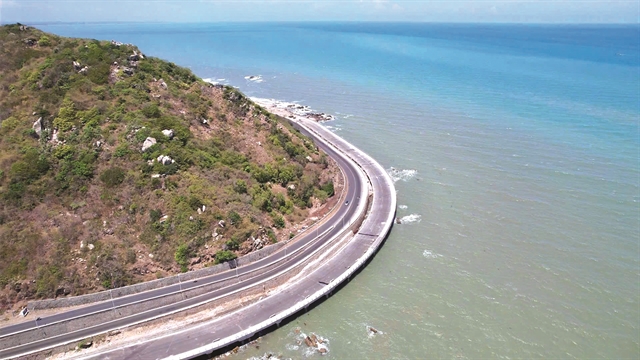 |
| FROM COAST TO COAST: The winding road connects Long Hải and Phước Hải communes. VNA/VNS Photo Hoàng Nhị |
With the coast now within easy reach, visitors can leave the city on a Friday evening and spend the weekend by the sea without taking a flight.
The trend reflects changing travel habits, particularly among younger people who value convenience, flexibility and a wider range of experiences.
Integrated future
The expansion of its administrative boundaries provides HCM City with an opportunity to develop an integrated tourism strategy across its urban and coastal areas.
Previously, destinations such as Vũng Tàu, Long Hải and Hồ Tràm were promoted and managed separately despite their close links with HCM City's tourism market. Bringing them under a single administrative framework allows tourism authorities to coordinate destination branding, investment promotion and tourism product development more effectively.
For travel companies, it creates flexibility in designing itineraries that combine cultural attractions, gastronomy, shopping and coastal experiences under one destination brand.
Industry observers believe the combination of metropolitan attractions and premium coastal tourism can strengthen HCM City's status as one of Southeast Asia's emerging tourism destinations.
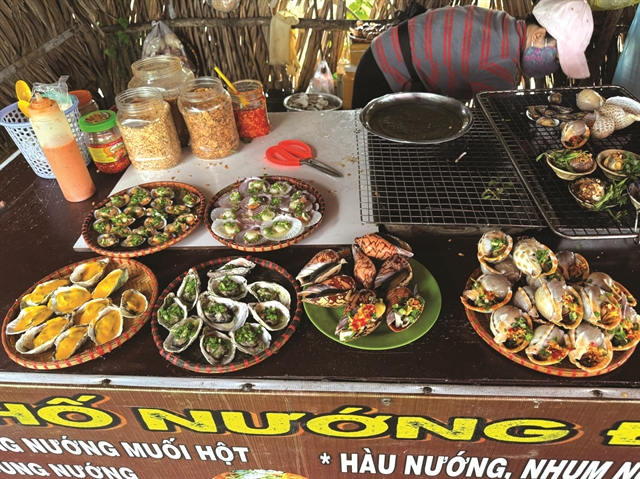 |
| DAILY DELIGHTS: Fresh seafood is served at a beachside eatery in Long Hải Ward, HCM City.VNS Photo Văn Châu |
The expansion of HCM City's administrative boundaries represents more than a geographical adjustment. It creates an opportunity to better integrate the planning, management and promotion of urban and coastal tourism under a unified strategy.
With a unique combination of a dynamic metropolitan centre and internationally recognised coastal destinations stretching from Vũng Tàu to Hồ Tràm, HCM City is well positioned to diversify its tourism economy and strengthen its appeal to both domestic and international visitors.
If supported by coordinated planning, continued infrastructure investment and sustainable destination management, the city's coastal assets could become one of its strongest long-term competitive advantages.
By planning and promoting its urban and coastal attractions as a single destination, HCM City has the opportunity to create more integrated visitor experiences, attract higher-value investment and reinforce its position as one of Southeast Asia's leading tourism destinations. — VNS
Features
 Features
 Features
 Features
 Features
 Features
 Features
 Features
 Features
 Features
 Features
 Features
 Features
.jpg) Features
Features
 Features