 Society

Việt Nam, Switzerland to turn education, sci-tech, innovation into cooperation focus
1.
|
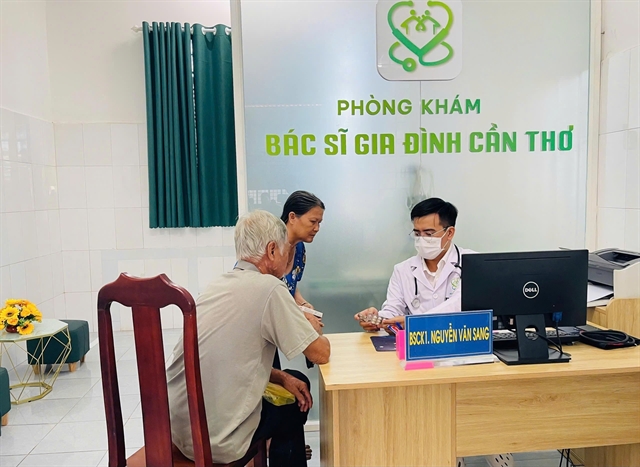
| Cần Thơ is expanding the family doctor model to improve the quality of primary healthcare. — VNA/VNS Photo Ánh Tuyết |
CẦN THƠ — Cần Thơ is accelerating implementation of the Politburo’s Resolution No 72, prioritising preventive healthcare, digital transformation, and specialised medical services to build a modern, people-centred health system.
Since the resolution on measures to improve public health protection, care, and promotion was issued in September 2025, the Cửu Long (Mekong) Delta city has introduced a number of measures to put it into practice.
The city Party Committee has issued Programme No 11 to implement the resolution, emphasising strong Party leadership, a people-centred approach, coordinated cross-sector action, effective resource mobilisation, and innovation in healthcare governance.
The city People's Committee has issued Plan No 172 to implement the resolution and also the Government’s Resolution No 282.
Targets for protecting, caring for, and improving public health have been incorporated into the city's 2026–30 socio-economic development plan.
Priority is being given to strengthening the healthcare system, expanding health insurance coverage, increasing the number of people receiving regular check-ups, and improving key health indicators.
|
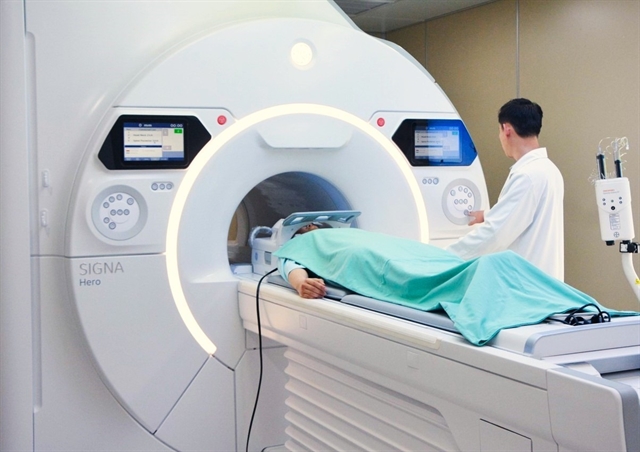
| Healthcare facilities in Cần Thơ are equipped with modern medical equipment to enable the digital transformation of the health sector. — VNA/VNS Photo Ánh Tuyết |
According to the city Department of Health, the sector has stepped up public health communication, promoted physical fitness, improved child nutrition, strengthened healthcare for older people, and enhanced population quality.
A key feature of Resolution No 72 is the shift from disease treatment to prevention and lifelong health management.
On May 16, the Department of Health launched the first phase of a citywide programme offering free periodic health check-ups and screenings for social welfare beneficiaries, older people, and women, while creating electronic health records for participants.
The initiative marks the first time the city's health sector has simultaneously introduced a free health screening model linked to electronic health records, in line with the Government’s policy of providing healthcare for all.
Nguyễn Thị Ngọc Điệp, Deputy Chairwoman of the city People's Committee, said: "The programme marks an important milestone for the city's health sector as it is the first time a citywide health management model has been implemented using integrated digital data and electronic health records on the VNeID application."
She said it puts into practice a Government directive on providing free periodic health checks and screenings for the public while implementing Resolution No 72.
Hoàng Quốc Cường, director of the Department of Health, said the programme represents a shift from treatment-focused healthcare to disease prevention and community health management.
The city aims for all residents to receive a free health check-up or screening at least once a year by 2030, with the results recorded in their electronic health records.
|
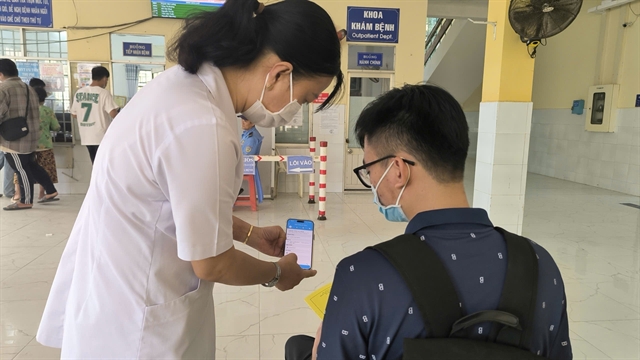
| A healthcare worker helps a patient enter his information into the electronic medical records system at the ward healthcare centre in Cần Thơ’s Ô Môn Ward. — VNA/VNS Photo Ánh Tuyết |
Digital transformation
The health sector is expanding the use of digital platforms, electronic health records, and specialised management software across the healthcare system.
More than 1.17 million electronic health records have been integrated into the VNeID application, covering 32 per cent of the city's permanent population.
As part of administrative reform and digital transformation, all administrative procedures can now be completed online, with 100 per cent of applications submitted digitally. More than 99 per cent are processed on or ahead of schedule.
The health sector is also accelerating development of a centralised health database, which is expected to become operational by the end of this month.
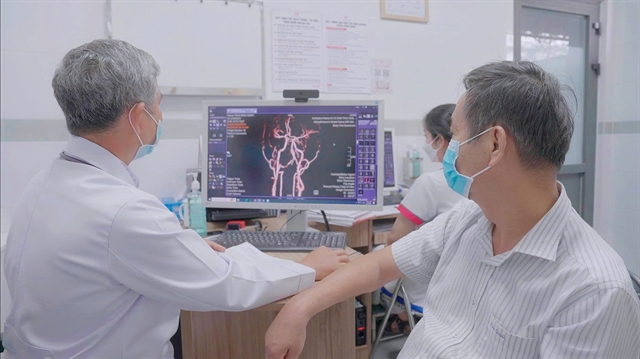
Once completed, it will integrate the health data of the entire population, including people without health insurance, into electronic health records, ensuring everyone has a single lifelong electronic health record.
|
| A doctor reviews a patient's treatment history on the electronic health records system. — VNA/VNS Photo Ánh Tuyết |
The city is also investing in preventive medicine, specialised healthcare services, and out-of-hospital emergency care to better meet growing demand.
However, it continues to face challenges, including staff shortages at grassroots healthcare facilities, limited infrastructure and information technology systems, slow progress in developing electronic health records, and delays in issuing central government guidelines.
At a recent meeting reviewing implementation of Resolution No 72, Đồng Văn Thanh, Permanent Deputy Secretary of the city Party Committee and Chairman of the city People's Council, urged agencies to remove obstacles and accelerate key tasks.
He also called for faster implementation of major healthcare programmes this year, stronger grassroots and preventive healthcare, and quicker rollout of periodic health check-ups, electronic health records, and the centralised health database.
He said effective implementation of Resolution No 72 would improve healthcare services and reinforce the city's role as the Mekong Delta's leading medical centre. — VNS
Society
 Society
 Society
 Society
 Society
 Society
 Society
 Society
 Society
 Society
 Society
 Society
 Society
 Society
 Society