 Society

Việt Nam, Switzerland to turn education, sci-tech, innovation into cooperation focus
1.

|
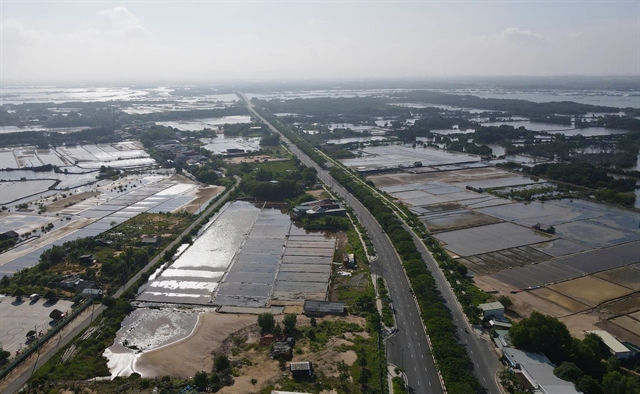
| A rural road in Xuyên Mộc Commune, HCM City, has improved transport and connectivity. — VNA/VNS Photo |
HCM CITY — HCM City is stepping up efforts to develop modern new-style rural areas and promote rural development.
By 2030, it aims for all communes to meet the criteria set under the national target programme on building new-style rural areas, with 50 per cent achieving higher standards.
It also targets raising average rural incomes to 2.5–3 times their 2020 levels and eliminating multidimensional poverty by the end of the decade.
It aims to build modern, prosperous and distinctive rural communities while promoting sustainable development, supporting urbanisation, and adapting to climate change.
It also plans to develop a green, circular and environmentally friendly rural economy, improve people’s quality of life, and gradually narrow the income gap between rural and urban areas.
|
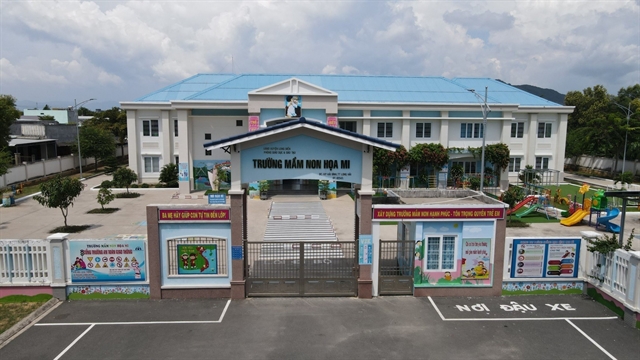
| A modern kindergarten in Long Hải Commune reflects continued investment in rural education infrastructure. — VNA/VNS Photo |
To achieve these goals, the city has identified agricultural restructuring as a key priority.
It will continue reshaping agricultural production based on market demand and competitive advantages, while prioritising ecological, organic, circular and high-tech farming.
Bùi Minh Thạnh, Deputy Chairman of the municipal People's Committee, said the city would focus on building a new-generation high-tech agricultural ecosystem.
"The city will develop specialised high-tech agricultural zones and establish advanced research centres for crop varieties, biotechnology, digital agriculture, ecological farming and the circular economy."
The city also plans to strengthen links between farmers, co-operatives, businesses, and distribution networks while continuing to develop the collective economy.
|
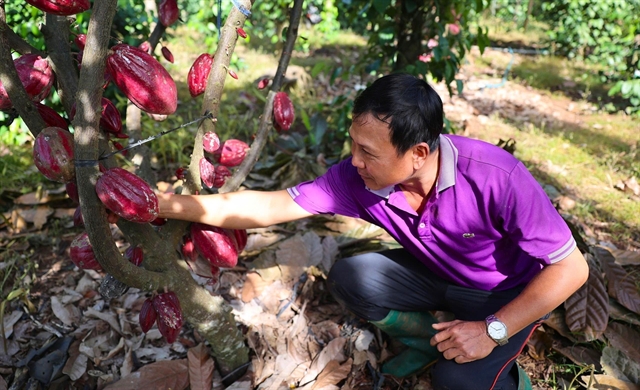
| Cocoa trees provide a stable source of income for farmers belonging to the Châu Đức Cocoa Co-operative in Bình Giã Commune. — VNA/VNS Photo |
Vũ Ngọc Đăng, head of the Sub-department of Rural Development, said: "The city will focus on supporting efficient co-operatives and strengthening their partnerships with businesses, financial institutions, and science and technology organisations.
"Co-operatives are encouraged to participate more deeply in the value chains of key agricultural products, from production and preliminary processing to storage, processing and marketing.
"They, along with co-operative groups and farming households, will be supported in developing value-chain production plans, adopting quality standards, obtaining planting area codes, and improving governance to meet the requirements of both domestic and export markets.”
The city plans to develop large-scale specialised farming areas and expand modern agricultural processing facilities, improving storage capacity, deep processing, and product value.
|
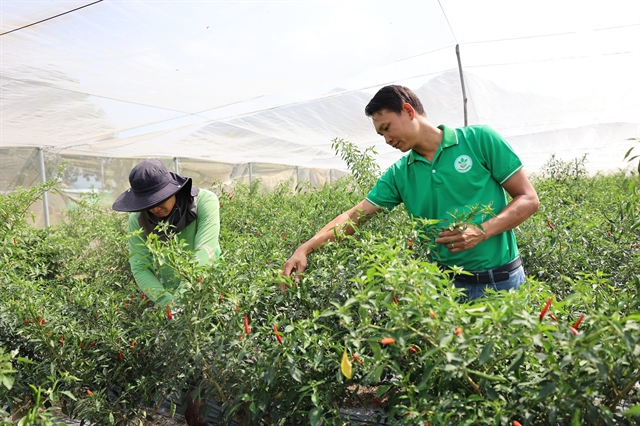
| A high-tech chilli farm at the Châu Pha Agricultural Production and Services Co-operative in Châu Pha Commune uses polyhouses and an automated irrigation system to control temperature and humidity to grow chillies for export to EU markets. — VNA/VNS Photo |
The People's Committee has instructed the Department of Agriculture and Environment to help develop vocational training plans tailored to local conditions and development needs.
The department will review and identify sectors with competitive advantages and growth potential, step up public awareness campaigns, and implement government policies and programmes to reform vocational training for rural workers.
It will also develop a strategy for 2026–30 to create a new generation of digital and professional farmers, and modern co-operative managers capable of meeting the demands of digital transformation, high-tech agriculture, and the green economy.
It plans to provide vocational training to at least 1,680 rural workers this year, with priority given to policy beneficiaries, poor households, and vulnerable groups.
The city's rural areas are home to 3.2 million people, or 23 per cent of the population, including 145,800 members of farmers’ associations.
Average rural income has exceeded VNĐ80 million (US$3,040) per person a year, while the poverty rate has fallen below 0.1 per cent.
OCOP products
The city also sees the national "One Commune – One Product" (OCOP) Programme as a major driver of rural economic growth.
It has more than 1,000 OCOP products rated three stars or above and produced by more than 400 businesses, co-operatives, and households, the Department of Agriculture and Environment said.
The city will continue promoting agricultural and OCOP products through trade fairs, exhibitions and agricultural promotion events.
It will help co-operatives join e-commerce platforms, expand domestic and export markets, and develop brands, trademarks and packaging.
Traditional rural industries and craft villages are also being encouraged to develop sustainably through digital transformation, the OCOP programme and tourism.

|
| Visitors explore the Rừng Sác Base historical site in Bình Khánh Commune, a popular destination for heritage tourism. — VNA/VNS Photo |
The city is promoting rural industries that generate multiple sources of value.
Fruit orchards, high-tech agricultural zones, salt production areas and peri-urban farms can all be combined with educational activities, visitor experiences, and promotion of local products.
Ecological, community-based, and farm tourism will be expanded by making use of natural resources, local cultural values, OCOP products, and traditional craft villages.
The city also plans to develop tourism routes linked to OCOP products, traditional craft villages, and local culture to add value to agriculture while strengthening the competitiveness of its tourism industry. — VNS
Society
 Society
 Society
 Society
 Society
 Society
 Society
 Society
 Society
 Society
 Society
 Society
 Society
 Society
 Society