Founded as the state news agency's first official word to the world, Việt Nam News remains the daily of choice for diplomats, investors and travellers trying to make sense of a proud nation still defining itself.
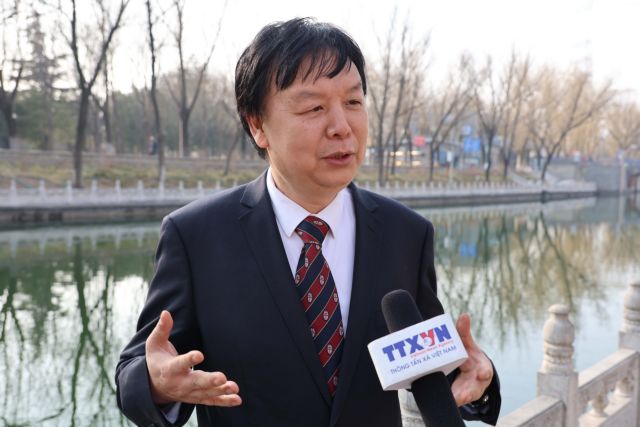
Professor Carl Thayer of the Australian Defence Force Academy at the University of New South Wales said one of the forum’s most notable achievements is Việt Nam’s effort to translate ideas into practical action, including the integration of proposals into the ASEAN Community Vision 2045.
As a proactive, active and responsible member of ASEAN, Việt Nam has not only contributed to the bloc’s collective voice but also played a direct role in encouraging ASEAN to address long-term challenges facing the global economy.
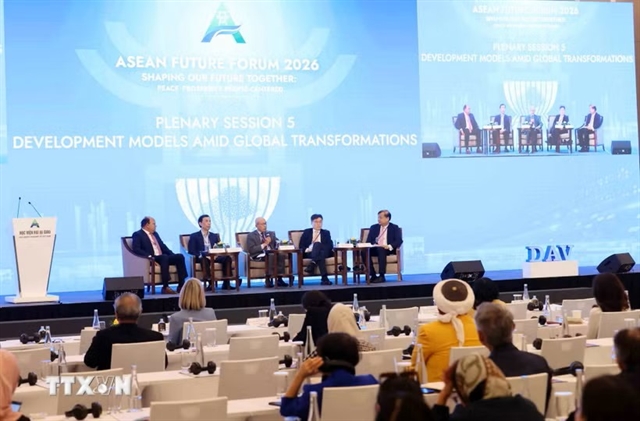
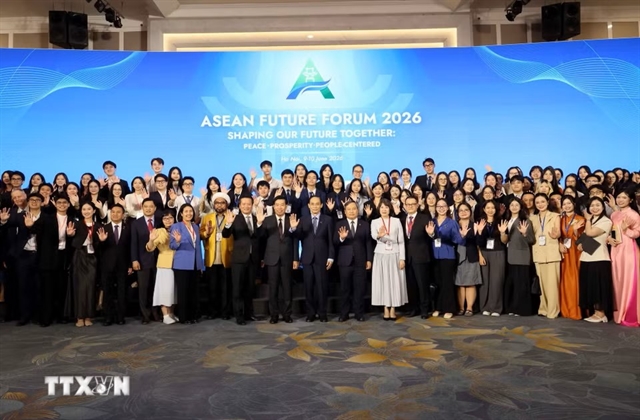
The forum highlights the building of a people-centred ASEAN Community and promotes the transition to new growth models amid global uncertainties.
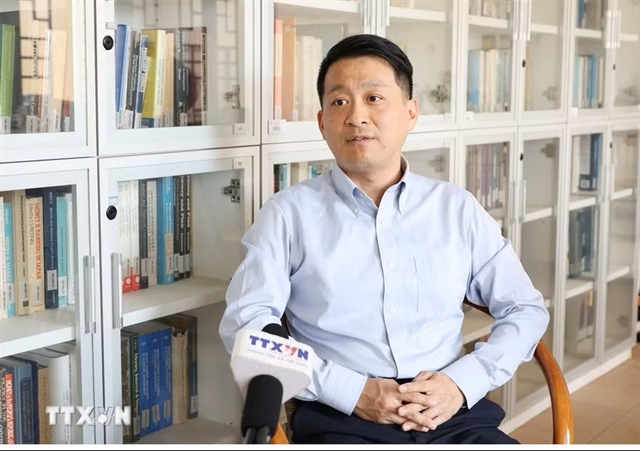
The forum’s focus on ASEAN’s resilience and unity demonstrates Việt Nam’s clear understanding of increasingly complex regional and global geopolitical challenges.
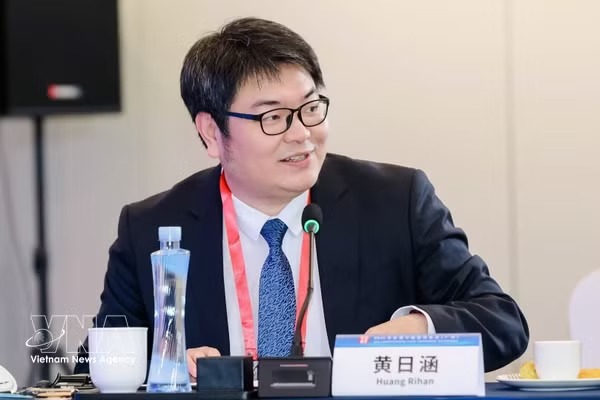
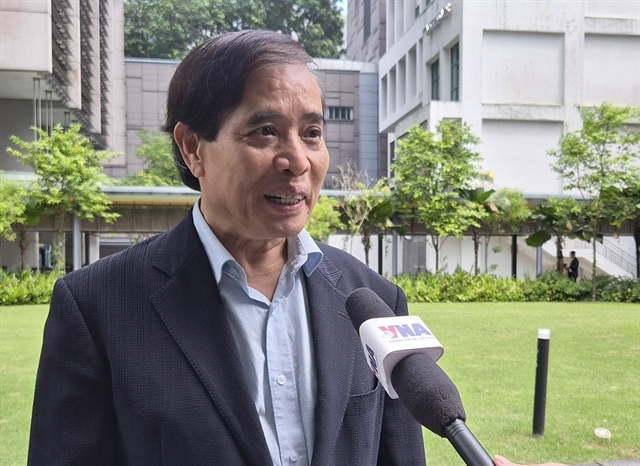
Việt Nam's hosting of the ASEAN Future Forum (AFF) for the third consecutive year demonstrates the country's proactive and responsible stance as an ASEAN member, while highlighting its growing leading role in shaping regional dialogue and cooperation, according to Prof. Huang Rihan from Huaqiao University in China's Fujian province.
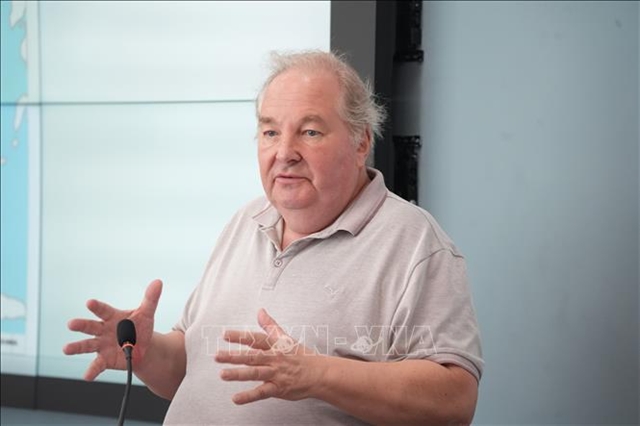
Việt Nam has consistently demonstrated a proactive and constructive role in addressing regional and global challenges, actively promoting dialogue, compromise and peaceful solutions to complex issues, according to Russian scholars.
Việt Nam has also taken a proactive approach to the green transition and the adoption of digital technologies and artificial intelligence (AI). Therefore, hosting the AFF reflects the country’s important leadership role in shaping ASEAN’s future.
PM Hun Manet’s participation in the ASEAN Future Forum 2026 marks the first time a Cambodian prime minister has joined the Việt Nam-initiated regional platform, highlighting Phnom Penh’s interest in ASEAN’s future development.
Cambodian Prime Minister Hun Manet’s participation in the third AFF also demonstrates Cambodia’s high regard for Việt Nam’s initiatives and contributions to regional and international forums, particularly in the formation of the ASEAN Community.
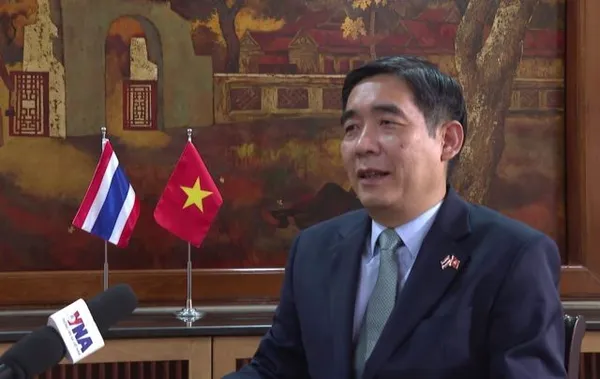
Vietnamese Ambassador to Thailand Phạm Việt Hùng called the Thai Prime Minister Anutin Charnvirakul’s official visit to Việt Nam a historic milestone of great significance as the two countries are celebrating the 50th anniversary of diplomatic ties this year.
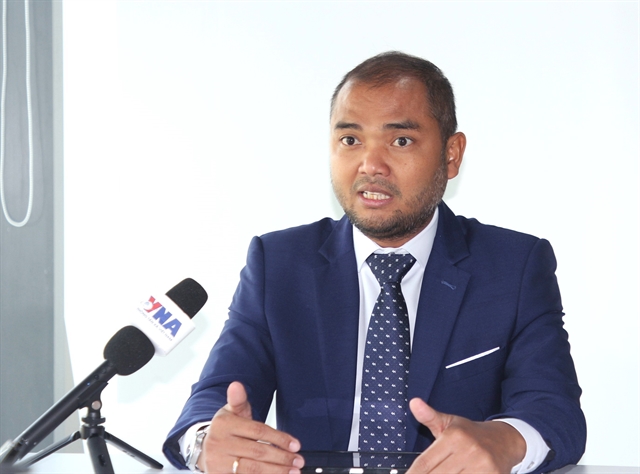
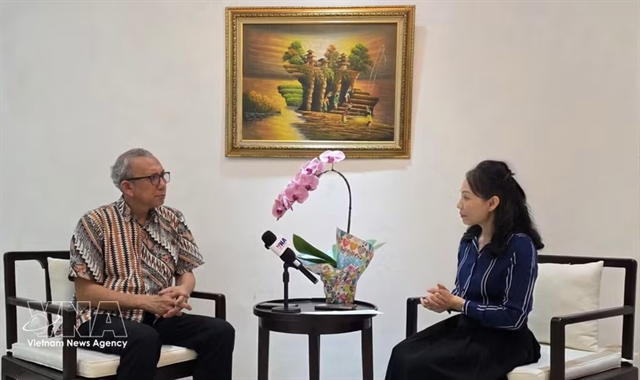
Beni Sukadis, senior coordinator at Indonesia’s Institute for Defence and Strategic Studies (Lesperssi), said the forum provides a valuable platform for Timor-Leste to strengthen engagement with ASEAN member states, gain deeper insights into regional cooperation frameworks and accelerate its integration into the bloc.
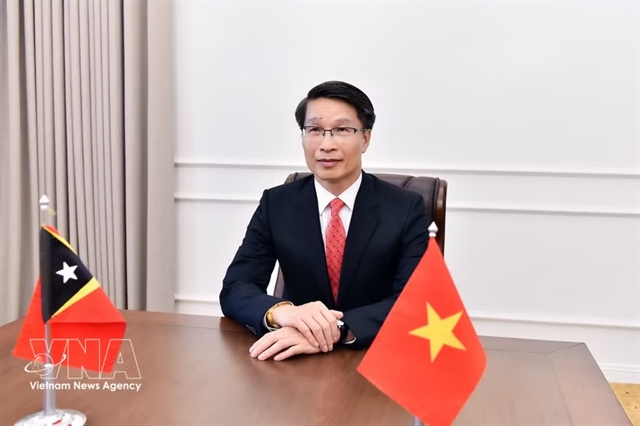
Prime Minister of Timor Leste Kay Rala Xanana Gusmão's official visit to Việt Nam from June 7-10 and his attendance at the third ASEAN Future Forum holds significance for both bilateral ties and Timor-Leste's integration into the Association of Southeast Asian Nations (ASEAN) following its formal accession as the 11th member, Vietnamese Charge d'affaires to Timor Leste Phạm Bình Đàm told the Việt Nam News Agency (VNA).
Việt Nam has demonstrated a strong commitment to helping build a dynamic, inclusive and resilient ASEAN. Such efforts not only serve its own development interests but also contribute to the stability and prosperity of the wider region.
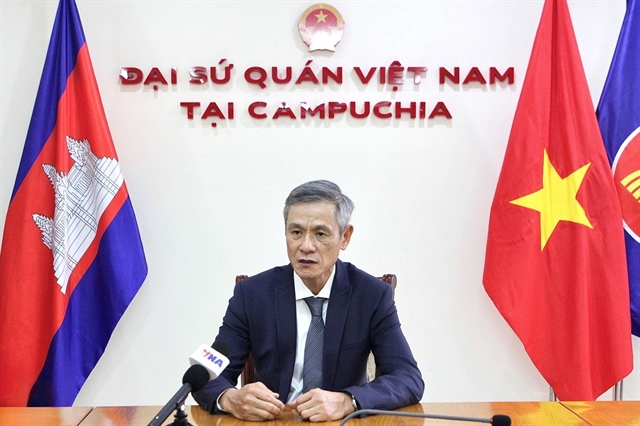
Despite external uncertainty, relations between Việt Nam and Cambodia have continued to develop positively across all areas of cooperation.
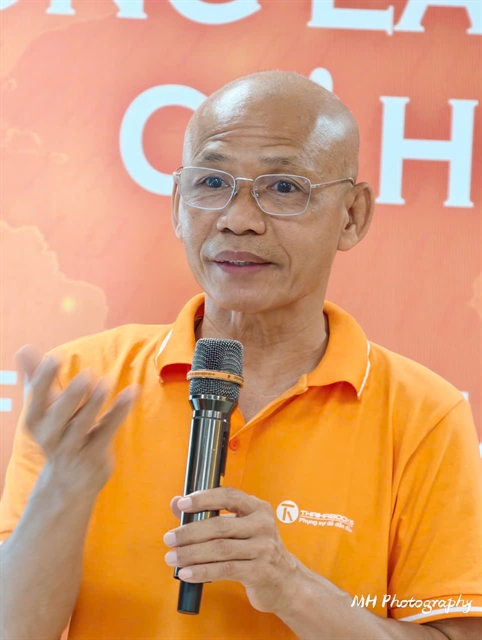
In an era of information overload, readers do not lack information, they lack curated knowledge. This is both the opportunity and the mission of the publishing industry.
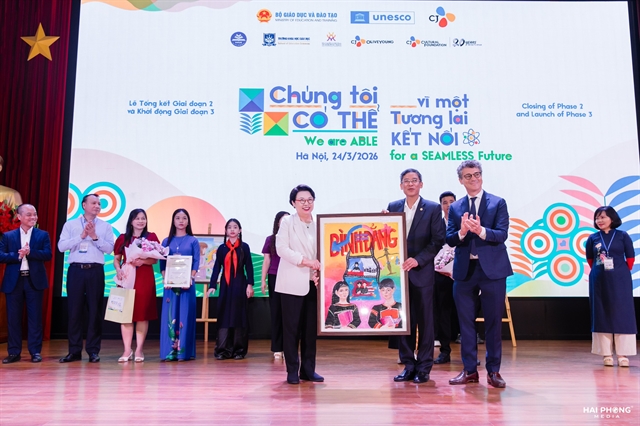
In an interview with Việt Nam News reporter Khánh Linh, UNESCO Representative in Việt Nam Jonathan Wallace Baker discusses Việt Nam’s growing role within UNESCO, preparations for the next phase of bilateral cooperation and how culture, knowledge and innovation can drive the country’s long-term development goals.
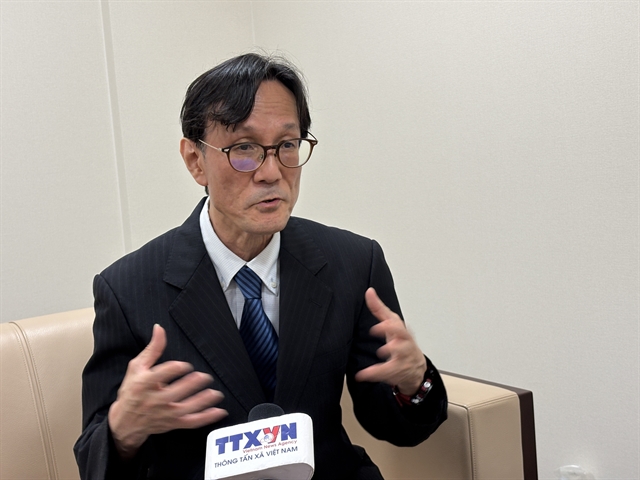
Professor Shimizu Masaaki of the University of Osaka said that President Hồ Chí Minh’s observations of Western societies, colonised territories and international labour movements helped shape a global vision that was rare among Asian figures of that period.