 Opinion

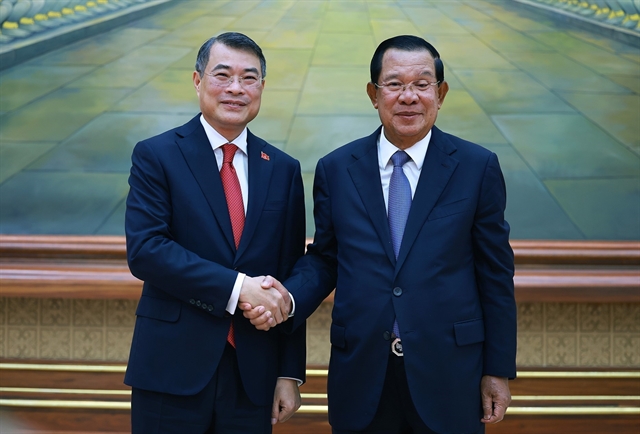
Vietnamese Prime Minister meets Cambodian National Assembly President
1.
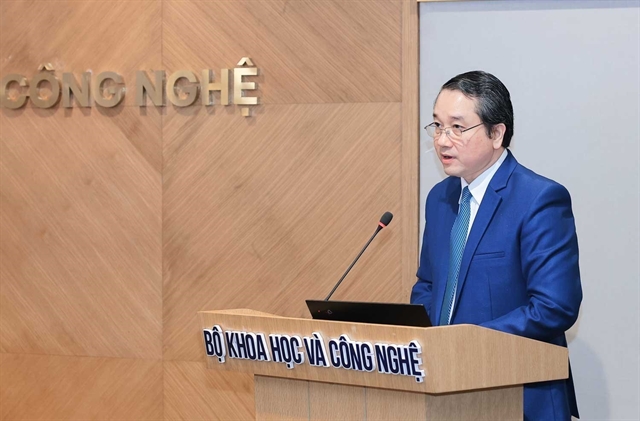 |
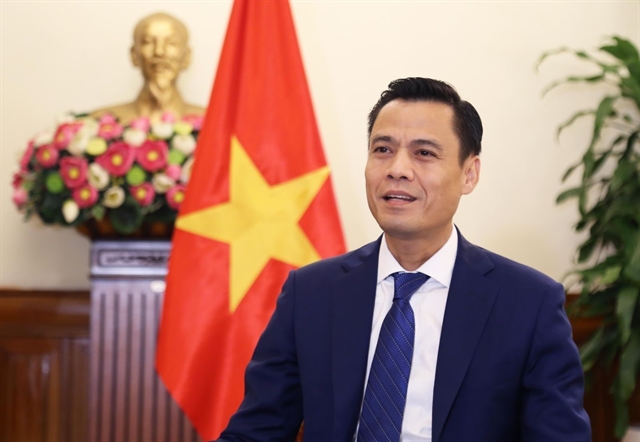
| Associate Professor Dr Đào Ngọc Chiến, Director of NAFOSTED. — VNA/VNS Photo Hoàng Hiếu |
HÀ NỘI — Việt Nam is moving to overhaul the way public research funding is managed, with a new draft decree proposing to give the National Foundation for Science and Technology Development (NAFOSTED) greater autonomy and a stronger focus on results.
The draft, now open for public consultation, follows the consolidation of three units into NAFOSTED, positioning the fund to expand beyond basic research into applied science, technology development and innovation.
In an interview with Vietnam News Agency, Associate Professor Dr Đào Ngọc Chiến, Director of NAFOSTED, outlined how the reforms could reshape the country’s research landscape.
What are the most significant changes proposed in the draft decree?
The draft aligns closely with the direction set by the 14th National Party Congress, which identifies science, technology, innovation and digital transformation as key growth drivers.
At its core, the decree seeks to establish a modern funding model that meets international standards, one that is independent, transparent and competitive.
A major shift lies in how funding is allocated and managed. Instead of assigning budgets tied to predefined tasks, the fund will receive a total allocation and gain the authority to decide which projects to support. This approach is expected to improve flexibility and responsiveness.
Equally important is the move from input control to output evaluation. Funding will be based on results and impact rather than compliance with detailed spending procedures.
The draft also introduces a more balanced funding strategy, supporting both incremental research with predictable outcomes and high-risk, high-reward projects that could lead to breakthroughs. Scientific risk, under controlled conditions, is recognised as a necessary part of innovation.
Basic research may be funded through more flexible mechanisms, while applied projects will receive funding in stages, tied to clearly defined deliverables. This milestone-based approach is designed to ensure accountability while encouraging progress.
How will risk be managed under the new framework?
Risk management is addressed systematically, beginning with project appraisal. Scientific councils will assess the level of risk associated with each proposal before funding decisions are made.
The draft outlines clear responsibilities for both researchers and the fund in monitoring and responding to risks. When issues arise, the fund will carry out targeted reviews to evaluate their causes and impacts.
Cases involving suspected fraud or intentional violations will be referred to competent authorities.
At the same time, the draft underscores a more progressive stance: not all failure is penalised. Projects that do not achieve their intended outcomes may still be exempt from financial recovery or administrative sanctions, provided they were conducted in accordance with regulations and professional standards.
What new policies are proposed to support scientific human resources?
Human resource development is a central pillar of the draft, with a dedicated chapter focused on enhancing national scientific capacity.
A range of support measures is proposed for young and promising researchers, including funding for overseas training, postdoctoral research and participation in graduate programmes. The draft also promotes international collaboration through short-term academic exchanges.
Notably, the decree introduces targeted support for leading scientists with strong research track records to build high-performing research groups and strengthen Việt Nam’s position in global science and technology.
Another key addition is support for technology validation, an often-overlooked stage between research and commercialisation. By funding feasibility testing and product refinement, the policy aims to bridge the gap between ideas and market-ready innovations.
For early-stage research teams, this pre-startup support could be decisive, helping turn promising concepts into viable enterprises and, potentially, future technology success stories. — VNS
Opinion
 Opinion
 Opinion
 Opinion
 Opinion
 Opinion
 Opinion
 Opinion
 Opinion
 Opinion
 Opinion
 Opinion
 Opinion
 Opinion
 Opinion