Life & Style
Top Vietnamese leader highlights new horizon for Việt Nam–Denmark cooperation
1.
|
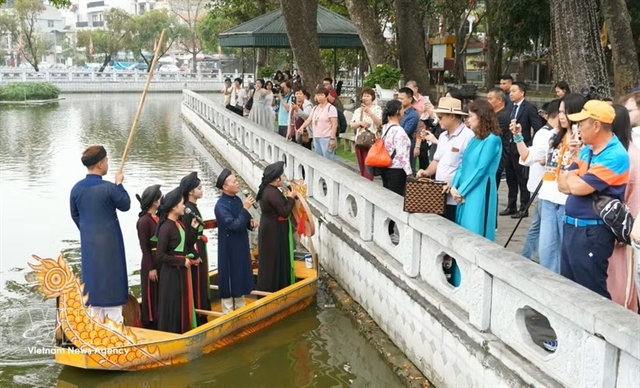
| Bắc Ninh's tourist attractions draw large crowds after the release of the hit music video Bắc Bling. — VNA/VNS Photos |
HÀ NỘI — The success of Bắc Bling, I See Yellow Flowers on the Green Grass and Kong: Skull Island shows how music and cinema can propel Vietnamese destinations into the spotlight, but experience suggests that only places investing in infrastructure, services and cultural storytelling can turn a cultural sensation into sustained tourism growth.
When singer Hòa Minzy’s Bắc Bling became a social media phenomenon about a year ago, visitors flocked to Bắc Ninh to see landmarks featured in the music video, including Dâu Pagoda, Bà Chúa Kho Temple, Phù Lãng pottery village, Đông Hồ folk painting village, Quan Họ singing villages and the now-famous “lonely tree”.
Bắc Ninh quickly responded by offering free tours showcasing its heritage sites, and tourist numbers rose sharply in the early stages. The surge fuelled hopes that the province had discovered a new engine for tourism through art-inspired travel. Yet after the initial excitement faded, most of the region’s temples, pagodas and communal houses continued to attract large crowds mainly during festival seasons, while year-round growth remained more modest than expected.
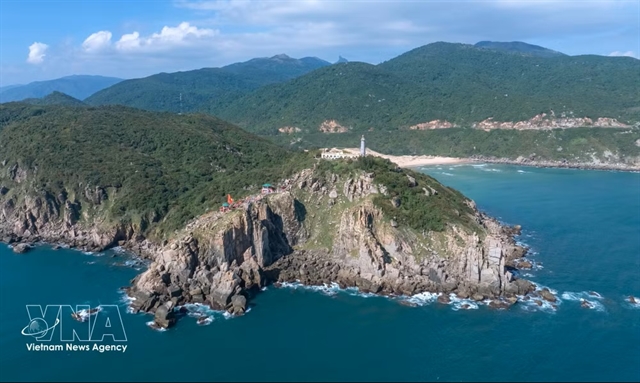
Việt Nam has seen similar examples before. The 2015 film I See Yellow Flowers on the Green Grass introduced audiences to the landscapes of Phú Yên, now part of Đắk Lắk Province. Local authorities capitalised on the attention by promoting destinations such as Gành Đá Đĩa, Nhạn Tower, Ô Loan Lagoon, Gành Đèn Lighthouse and Vũng Rô Bay, while investing in tourism infrastructure and human resources. The strategy paid off, with tourism growth exceeding 20 per cent annually at certain times and previously overlooked attractions becoming firmly established on the tourism map.
Ninh Bình offers perhaps the clearest example of how a cultural phenomenon can be converted into lasting appeal. After Kong: Skull Island was filmed in the province and released in 2017, local tourism operators quickly incorporated the film’s “native village” set into tour programmes and intensified promotion of destinations such as the Tràng An Scenic Landscape Complex, Tam Cốc–Bích Động and Vân Long Wetland Nature Reserve.
Even after the movie’s global buzz subsided and the film set itself faded from public attention, Ninh Bình’s tourism continued to flourish. The province remains one of Việt Nam's strongest tourism magnets and has since benefited from serving as a filming location for other productions.
|
| Capitalising on its exposure through cinema, Phú Yên, now part of Đắk Lắk Province, promotes its attractions and develops tours centred on iconic destinations. |
Across Việt Nam and around the world, travel inspired by music and film has become an increasingly influential trend. Cultural blockbusters can provide destinations with extraordinary visibility and a level of publicity that money alone often cannot buy. But attracting visitors is only the beginning.
Travellers also expect convenient transport, quality accommodation, good food, a pleasant environment, professional service and authentic cultural experiences. Equally important is a destination’s ability to tell its stories in a compelling way. Ninh Bình and several other localities have shown that combining these fundamentals with the momentum created by popular culture can deliver lasting results.
The lesson is increasingly clear: artistic works can serve as a powerful catalyst for tourism, but without long-term investment in infrastructure, services and people, even the hottest cultural trend can fade as quickly as it appears. — VNA/VNS
Life & Style
 Life & Style
 Life & Style
 Life & Style
 Life & Style
 Life & Style
 Life & Style
 Life & Style
 Life & Style
 Life & Style
 Life & Style
 Life & Style
 Life & Style
 Life & Style
 Life & Style