Life & Style
Liechtenstein Prime Minister concludes official visit to Việt Nam
1.
HÀ NỘI — Tourism in the Red River Delta has maintained strong growth since the beginning of 2026, with destinations across the region reporting sharp increases in visitor arrivals and revenue.
The positive results have been driven by localities' efforts to target the right market segments while making better use of their distinctive tourism strengths.
Quảng Ninh Province remains one of the region's top performers. The northern coastal locality welcomed more than 12.4 million visitors in the first seven months of the year, including over 2.6 million international arrivals. Tourism revenue reached nearly VNĐ35.2 trillion (US$1.33 billion), up 21 per cent year-on-year.
Notably, revenue grew much faster than visitor numbers, reflecting an increase in international tourists and higher-spending travellers.
According to Deputy Director of the provincial Department of Culture, Sports and Tourism Nguyễn Thùy Yên, the growing revenue indicates that visitors are staying longer and spending more on premium tourism services.
The trend provides a solid foundation for Quảng Ninh to further raise average visitor spending, extend stays and enhance the value of its tourism offerings.
The province has been expanding its night-time economy while continuing to develop inter-provincial tourism routes linking Hạ Long Bay in Quảng Ninh with Lan Hạ Bay in neighbouring Hải Phòng City.
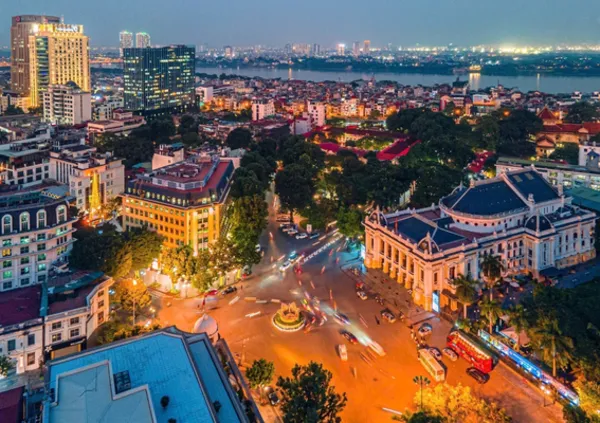
Hà Nội has also recorded encouraging growth. During the first six months of 2026, the capital welcomed around 18 million visitors, up 15.7 per cent from the same period last year, achieving more than half of its annual target. International arrivals increased 26.8 per cent.
Tourism revenue was estimated at VNĐ74.23 trillion, up 19.1 per cent year-on-year. This year, Tripadvisor ranked Hà Nội as Asia's second most popular destination while placing it among the world's leading destinations for culture and cuisine.

|
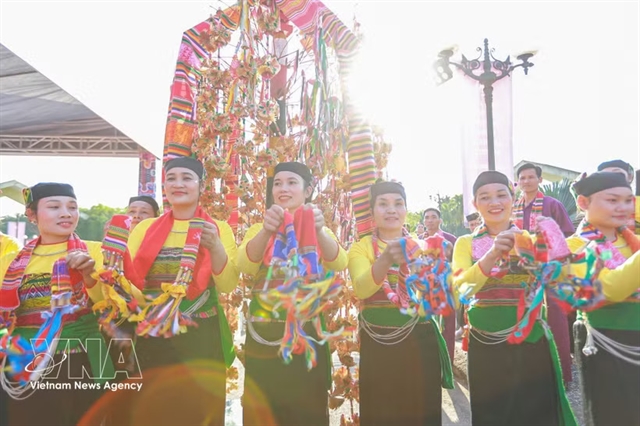
| A festival in Tam Cốc, Ninh Bình province. — VNA/VNS Photo |
Ninh Bình has also maintained impressive momentum. The province has already achieved more than 90 per cent of its 2026 revenue target after welcoming over 17.6 million visitors, a year-on-year increase of 23.19 per cent.
The total included about 1.8 million international visitors, up 55 per cent, and 15.8 million domestic tourists, up 20.37 per cent. Tourism revenue exceeded VNĐ17.83 trillion, rising 20.86 per cent from the previous year.
Bùi Văn Mạnh, Director of the provincial Department of Tourism, said major cultural, tourism and artistic events have played a key role in the sector's rapid growth. Among the highlights were the Bái Đính Pagoda Festival, Hoa Lư Festival, Trần Temple Festival and Tràng An Festival.
The Ninh Bình Tourism Week 2026, themed Ninh Bình – A Heritage Journey Through the Ages, and the Tràng An Creative Music Festival (Forestival 2026), which combines music, creativity and heritage, have further strengthened the province's appeal.
Strengthening regional links
Localities across the Red River Delta have set ambitious targets for the remainder of 2026 and beyond.
Quảng Ninh has raised its full-year goal from 22 million to nearly 22.5 million visitors and increased its tourism revenue target from VNĐ65 trillion to nearly VNĐ68.6 trillion.
Hà Nội is entering an acceleration phase in the second half of the year, aiming to attract 9.04 million international visitors and 27.27 million domestic travellers in 2026. The city is also speeding up major tourism development programmes, including plans to welcome more than 12 million international visitors annually by 2030.
The Red River Delta offers a wide range of tourism products, from Quảng Ninh and Hải Phòng's coastal and luxury resort tourism to Ninh Bình's eco-tourism, natural landscapes and heritage attractions, as well as Hà Nội's rich cultural, historical, culinary and urban experiences.
However, industry experts say these natural and cultural resources can only deliver long-term benefits if they are transformed into high-value tourism products that meet changing consumer demand.
Vũ Thế Bình, Chairman of the Vietnam Tourism Association (VITA), said provinces should strengthen regional cooperation by developing integrated tourism routes linking Hà Nội, Quảng Ninh, Hải Phòng, Ninh Bình and neighbouring localities such as Hưng Yên and Bắc Ninh. Such cooperation would create complementary tourism products instead of isolated competition.
He also stressed the need to diversify tourism offerings and accelerate digital transformation by applying artificial intelligence, big data and digital platforms to tourism promotion, product sales, destination management and personalised visitor experiences, helping build sustainable growth for the years ahead. — VNA/VNS
Life & Style
 Life & Style
 Life & Style
 Life & Style
 Life & Style
 Life & Style
 Life & Style
.jfif) Life & Style
Life & Style
 Life & Style
 Life & Style
 Life & Style
.jpg) Life & Style
Life & Style
 Life & Style
 Life & Style
 Life & Style