 Life & Style

AITO Looks Ahead to Europe, Building a Thriving Automotive Ecosystem
1.
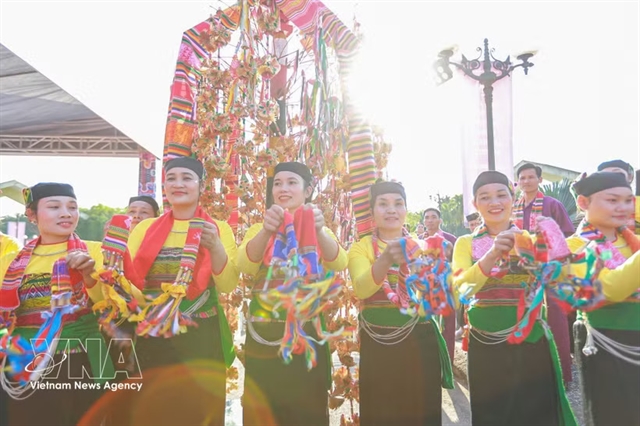 |
| An ethnic festival at the Vietnam National Village for Ethnic Culture and Tourism. — VNA/VNS Photo |
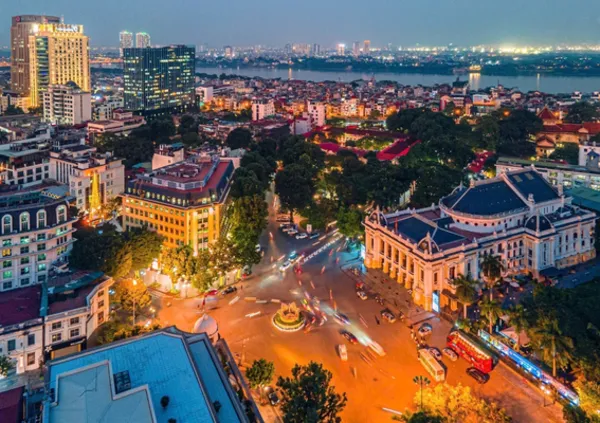
HÀ NỘI — Hà Nội is redrawing its tourism map, pushing beyond the postcard mainstays of Hồ Hoàn Kiếm and the Old Quarter to woo travellers with a slate of community-based destinations in suburban areas, betting that herbal baths, stilt-house stays and rice-field cycling can turn a day-trip capital into a multi-night experience.
Winning visitors over with cultural identity
Hà Nội has long been known for the heritage cachet of a thousand-year-old capital. Hồ Hoàn Kiếm, the Old Quarter, the Temple of Literature, the Thăng Long Imperial Citadel and a network of craft villages have given the city a singular pull.
But as global travel pivots sharply from ticking off landmarks to immersive experiences, Hà Nội is finding a new edge in community-based tourism, where culture isn’t staged but lives in the homes, meals and daily rhythms of residents.
Nestled at the foot of Ba Vì mountain, Bản Miền has carved out a reputation for the Dao ethnic group’s herbal medicine, rituals and folk arts. Visitors there go beyond passive sightseeing, plunging into local life with Dao herbal baths, traditional cooking and lessons in medicinal plant lore.
The capital’s newest community-tourism bet is Mường Cốc in Mỹ Đức commune. In early July, the municipal Department of Tourism and local authorities launched Mường Cốc – Touching Peace, minting a new product on Hà Nội’s tourism map.
About 60 kilometres from central Hà Nội, Mường Cốc serves up semi-mountainous scenery of rocky hills, lakes and rice paddies dotted with Mường ethnic villages. The draw isn’t concrete polish but the unvarnished simplicity of local existence. Visitors can stay in stilt houses, cycle through paddies, trek low slopes and sample dishes rich in Mường culinary tradition.
Further afield, the Vietnam National Village for Ethnic Culture and Tourism in Đồng Mô offers a larger-scale proposition. Transferred to Hà Nội’s control on July 1, the site is being positioned as a cultural, tourism and creative-industry hub, and a new growth pole for the city’s western part.
Far from a static museum, the village functions as a living stage where ethnic communities hold festivals, demonstrate crafts, serve traditional food and practice rituals year-round. In a single trip, tourists can roam cultural spaces from Central Highlands communal houses and Ê Đê longhouses to Tày and Mường stilt homes and the traditional dwellings of Khmer and Chăm groups.
Turning “tourism villages” into Hà Nội brand
Taken together, these destinations remain in their infancy. Scale is limited, product diversity is thin, links between sites are weak, and overnight stays are short. To turn these villages into signature offerings, Hà Nội needs a long-term, coordinated strategy that puts local communities at its centre.
Nguyễn Tiến Đạt, Vice Chairman of the Hà Nội Tourism Association, said operators must stop thinking in isolated attractions and start building an integrated community-tourism network. Localities are mining their own strengths in different ways, missing the connections that would forge a compelling product chain. Given that distances are modest, Đạt argued, two-to-three-day experiential itineraries are well within reach.
Phùng Quang Thắng, Chairman of the Vietnam Green Tourism Association, said each village needs a distinct story. Mường Cốc should be pitched as a Mường cultural immersion set against a semi-mountainous landscape and the unhurried pace of local life. Bản Miền should double down on Dao heritage, herbal medicine, wellness and resort-style stays. The national ethnic-culture village, meanwhile, ought to become a hub for cultural festivals, art events, craft showcases and large-scale experiential activities, spreading year-round visitor traffic, not just festival dates.
Vũ Văn Tuyên, Director of Travelogy, flagged the scarcity of accommodation as a critical weakness. To lengthen stays and deepen immersion, local authorities need to channel investment into quality lodgings and homestays.
Tuyên said as digital transformation accelerates, Hà Nội could build a dedicated digital map for community-based tourism destinations, layering accommodation and tour bookings, online payments and multilingual interpretation onto a single platform. — VNA/VNS
Life & Style
 Life & Style
 Life & Style
 Life & Style
 Life & Style
 Life & Style
.jfif) Life & Style
Life & Style
 Life & Style
 Life & Style
 Life & Style
.jpg) Life & Style
Life & Style
 Life & Style
 Life & Style
 Life & Style
 Life & Style