 Life & Style
Phenikaa wins fifth consecutive Vietnam National Brand title
1.
|
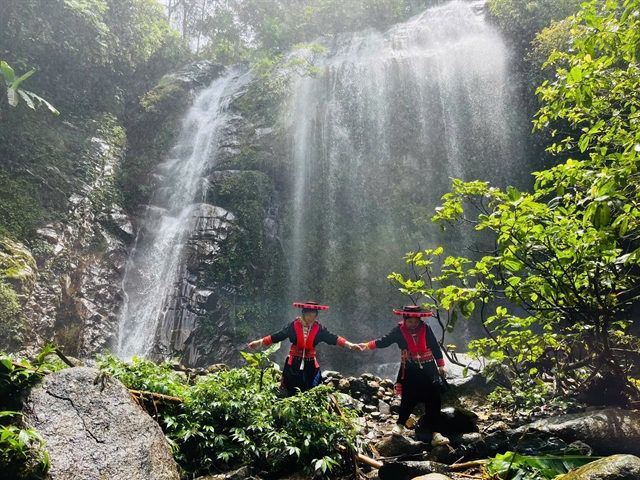
| Lủng Páng Waterfall is a big draw for tourists on the hiking route, and is a new attraction in Thái Nguyên Province. — Photos courtesy of organisers |
Thanh Hà
THÁI NGUYÊN — Following the recent administrative merger, Thái Nguyên is now home to a range of destinations well suited for adventure tourism, a sector expected to become a new driver of the province’s tourism industry alongside its renowned tea products and rich cultural heritage, which have been celebrated for centuries.
Local authorities have recently introduced a hiking route to Lủng Páng Waterfall in Phong Quang Commune, which was once part of the former Bắc Kạn Province. Another route takes visitors to a huge area of tea trees in Vô Tranh Commune that is less well travelled.
With the theme 'Hiking to Explore Tea Trees in the Clouds', the tour was designed in line with Thái Nguyên's 2026 tourism focus on mountains, lakes and tea plantations in the mist.
During the hike, participants pass by forests, wade through streams and traverse rocky, moss-covered paths and rugged terrain to reach the wide and beautiful Lủng Páng Waterfall.
The pristine mountain landscape, the clear, cool streams, the lush green hills and the fresh air promises visitors novel experiences, perfectly suited to the current trend of outdoor tourism and nature exploration.
Along the route, hikers will have the opportunity to see and touch centuries-old Shan Tuyết tea trees, some with trunks so large that they can be encircled by an adult’s arms. They can also learn about the cultural life of area residents and enjoy locally grown tea products.
According to Chu Thị Đỗ, a representative of the Thái Nguyên Tourism Development and Exploitation Centre, the programme is an effort to promote the province's potential, strengths and new tourism products.
A test trip was previously held for tourism operators, experts and media, with the hope of spreading the image of Thái Nguyên after the merger.
Another goal was to push travel businesses to bring tourists to the province, especially those who love physical activity and exploration or those who want to discover nature, local culture and unique tourism products.
"On this journey, tourists can admire not only the Lủng Páng stream and waterfall, but also bamboo forests and pristine grasslands," Đỗ said.
"One particularly impressive highlight at the end of the journey is the ancient Shan Tuyết tea trees growing amid the vast wilderness on a high mountain peak, which is covered in cool clouds year-round."
Representatives from travel agencies noted that Lủng Páng has attractive natural landscapes, suitable for developing hiking, light trekking, ecotourism and community-based experiences.
Director of Fivestar Travel Lương Duy Doanh said that after the trip, he would spend more time researching and creating plans for tours to the new, culturally rich destination.
In Vô Tranh Commune, visitors have the opportunity to tour the tea hills, experience tea picking activities alongside local farmers and directly participate in the tea production process at all stages, including farming, harvesting, drying and infusing the tea with lotus flavour.
They will also be able to drink the tea and learn about Vietnamese tea culture.
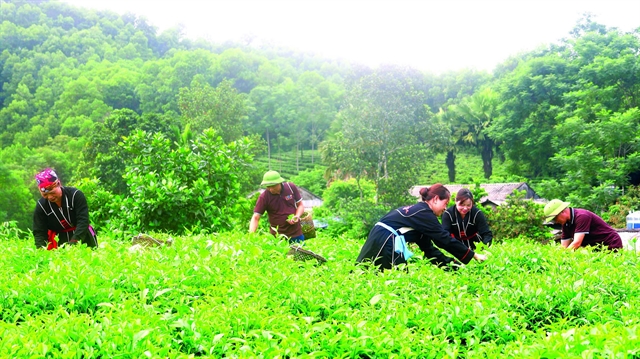
|
| Local residents pick tea leaves in Vô Tranh Commune's tea hills. |
Director of Đạt Phát Clean Tea Cooperative Vũ Thành Thơm said: "We believe that eco-tours in tea-growing regions have the potential to develop in the future, because when tourists come to the area, they will directly experience meaningful and interesting work on the tea plantations."
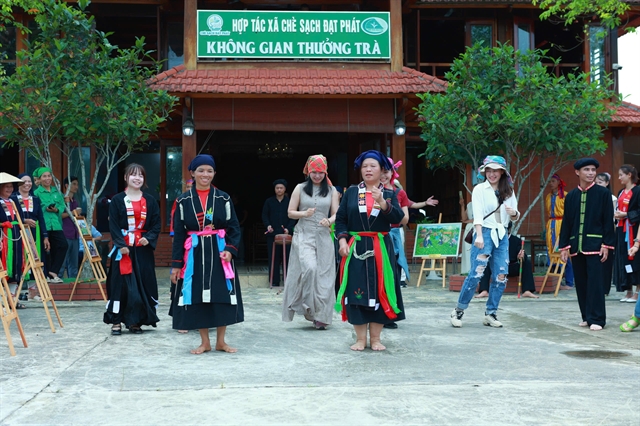
Thơm noted that his commune is also home to the Sán Chay ethnic group, who have recently seen their traditional Tắc Xình dance recognised as National Intangible Cultural Heritage.
He said many members of his cooperative are Sán Chay. They would love to present their folk dance to visitors as a unique feature of the tour, he added.
|
| The Tắc Xình dance is a unique cultural feature of the area. |
The dance is a deeply spiritual performance, expressing aspirations for favourable weather and a prosperous life. Its movements depict the process of labour and production, and it includes props, mainly agricultural tools or items associated with agriculture, such as sticks, bamboo tubes and earthen drums.
As it is easy to learn and exciting to move following the beat of the drums, visitors would love to join the troupe in a beautiful dance, Thơm said. — VNS
Life & Style
 Life & Style
 Life & Style
 Life & Style
 Life & Style
 Life & Style
 Life & Style
 Life & Style
.jpg) Life & Style
Life & Style
 Life & Style
 Life & Style
 Life & Style
 Life & Style
 Life & Style
 Life & Style