 Life & Style

AITO Looks Ahead to Europe, Building a Thriving Automotive Ecosystem
1.
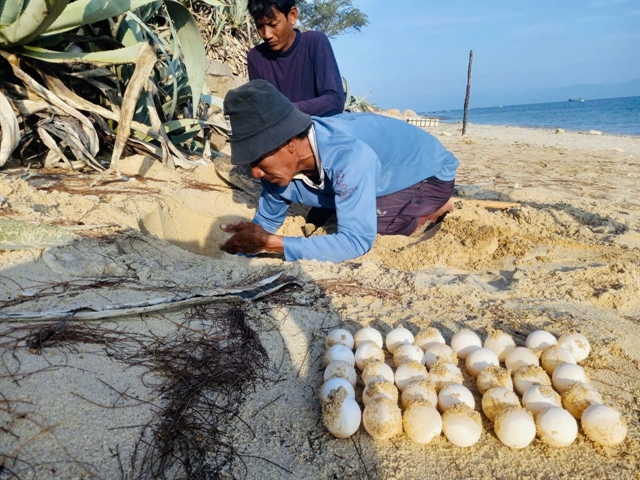 |
| Sea turtles are carefully incubated and hatched on Hòn Cau Island. — Photo nld.com.vn |
Located off the coast of Liên Hương Commune in Lâm Đồng Province, Hòn Cau Island remains one of the few places where visitors can still experience an unspoiled marine landscape.
Also known as Cù Lao Câu, the island lies about 10km from the mainland and is part of the Hòn Cau Marine Protected Area. Covering just 1.4sq.km, it stands out for its clear water, unique rock formations and relatively untouched environment.
A boat trip from Liên Hương Port takes around 15 minutes. As the vessel moves further offshore, the sea gradually changes colour, from darker blue to a lighter turquoise. Closer to the island, the water becomes clear enough to reveal rocks and seaweed beneath the surface.
From a distance, Hòn Cau appears simple and rugged. The island is surrounded by large natural rock formations of various shapes and sizes, formed over time by wind and waves. Some rise vertically like walls facing the sea, while others are layered or shaped like boats stretching out towards the horizon.
Between the rocky areas are small stretches of white sand, creating calm, shallow waters that are suitable for swimming. The combination of rocks, sand and clear water gives the island a distinct landscape that appeals to visitors looking for a quieter coastal experience.
One of the most visited spots on the island is Tiên Beach. The area is often compared to a natural pool, with relatively gentle waves and clear water enclosed by large rocks. Many visitors choose this location for swimming, snorkelling or simply taking photos.
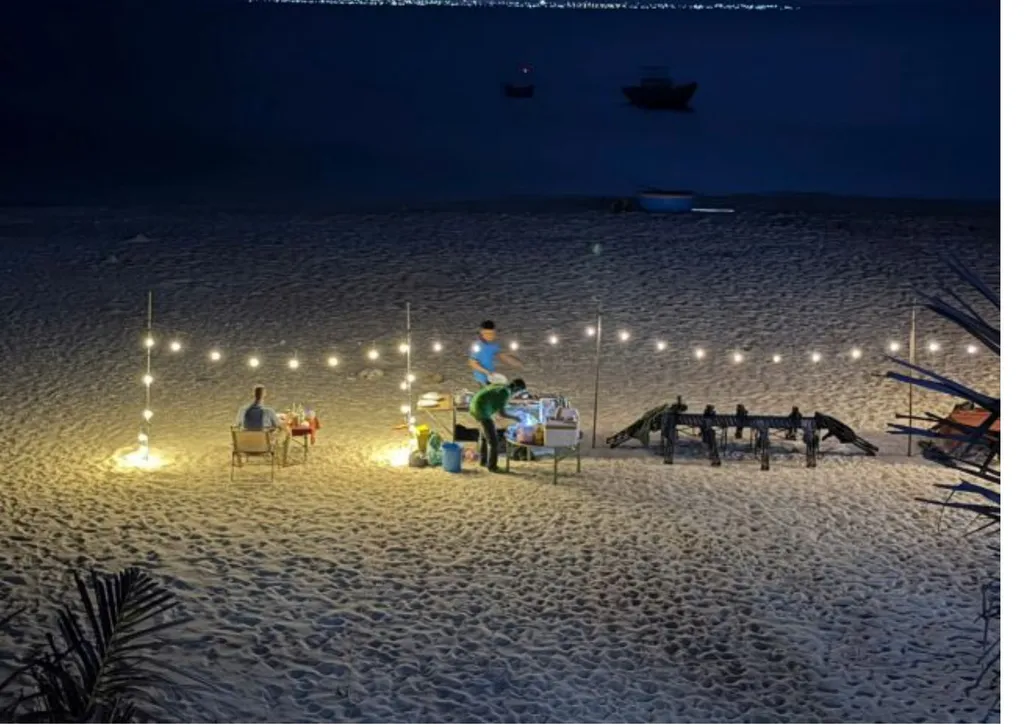 |
| Tourists are served food and drinks at night on the island. — Photo nld.com.vn |
Not far away is Yến Cave, a site with steep cliffs that was once home to swiftlets. Around the island, other rocky areas also attract visitors for their unusual shapes and geological features, reflecting long-term natural erosion.
A typical visit to Hòn Cau often begins in the morning. After arriving, visitors can walk along small trails to take in views of the surrounding sea or explore different parts of the island. Some prefer to rest under the shade of coastal trees and enjoy the quiet setting.
By midday, swimming and snorkelling become popular activities. In the shallow waters, coral clusters and small fish can be seen at close range, making it easy even for inexperienced visitors to observe marine life.
Nguyễn Văn Phúc, a visitor from Đồng Nai Province, said he was particularly impressed by the rock formations surrounding the island, describing them as visually striking and seemingly arranged by human hands.
“I was really surprised and impressed by the shapes of the rocks around the island. They are beautiful in colour and look as if they were arranged by human hands,” Phúc said.
“Besides the scenery, fresh seafood and the friendliness of local people are also big pluses that make visitors want to return. I hope visitors will help preserve the island’s beauty by not leaving waste behind and protecting the environment so it can remain pristine.”
In addition to its natural features, Hòn Cau also reflects elements of local maritime culture. The island is home to Ông Nam Hải Tomb, where fishermen come to pray for safe and favourable fishing trips. The site remains an important part of the spiritual life of coastal communities.
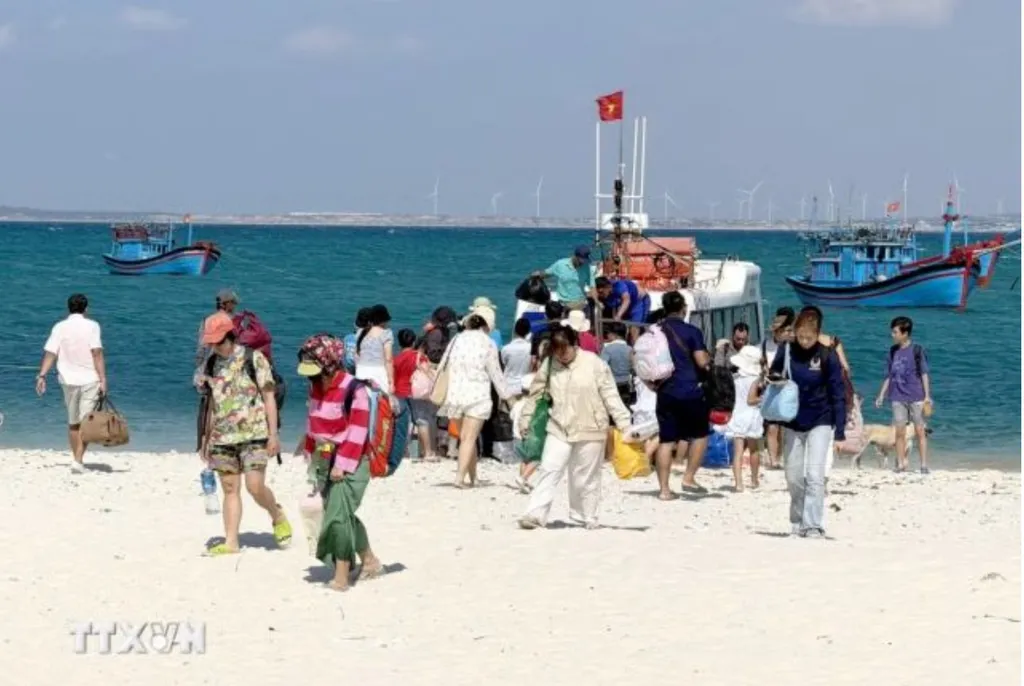 |
| Tourists travel by boat to explore the unique beauty of Hòn Cau Island. — VNA/VNS Photo |
Unlike many other coastal destinations, Hòn Cau has limited tourism infrastructure. There are no large hotels or dense service areas. Accommodation on the island is minimal, with only a small pre-fabricated facility of around 10 rooms, mainly used when visitors are unable to return to the mainland due to weather conditions.
Basic services on the island have gradually improved. Since July 2025, a seawater filtration system has been in operation, producing freshwater for daily use. The system, with a capacity of about 750 litres per hour, helps maintain essential activities on the island and supports visitors when needed.
Hòn Cau is also associated with long-term marine conservation efforts, particularly for sea turtles. Between April and October, turtles, mainly green turtles, come ashore to lay eggs on the island’s quiet beaches.
After nesting, eggs are relocated to protected incubation areas. Once hatched, the young turtles are released back into the sea. These activities are accompanied by regular awareness programmes aimed at protecting the marine environment and helping visitors better understand the ecosystem.
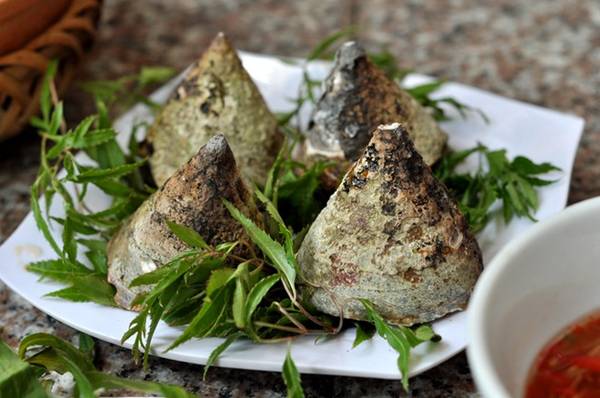 |
| Sea snails are a specialty of Hòn Cau Island. — Photo znews.vn |
Despite growing tourism development along the south-central coast, Hòn Cau has largely retained its original character. Without large-scale construction or heavy visitor traffic, the island offers a different experience compared to more crowded destinations.
For many visitors, the appeal of Hòn Cau lies in its simplicity. The island provides a setting where people can step away from busy routines, spend time by the sea and experience a quieter side of Việt Nam’s coastline. — VNS
Tips for visitorsThe best time to visit is from April to September, when the sea is generally calm and clear.Bring essentials such as sunscreen, drinking water and light snacks, as services on the island are limited.Wear suitable footwear if you plan to explore rocky areas.Check weather conditions in advance, as boat services may be affected by strong winds.Avoid littering and minimise plastic use to help protect the marine environment.Respect conservation guidelines, especially during sea turtle nesting season.
Life & Style
 Life & Style
 Life & Style
 Life & Style
 Life & Style
 Life & Style
 Life & Style
 Life & Style
 Life & Style
 Life & Style
 Life & Style
 Life & Style
 Life & Style
 Life & Style
 Life & Style