 Life & Style
Việt Nam, Denmark issue joint statement on establishment of Comprehensive Strategic Partnership
1.
Dr Mattias Larsson*
Nine-year-old Hương had been looking forward to Tết (Lunar New Year) for weeks. Like millions of families across Việt Nam, her family left the city to return to their quê (home town) in the countryside, carrying gifts, food and the excitement of reunion.
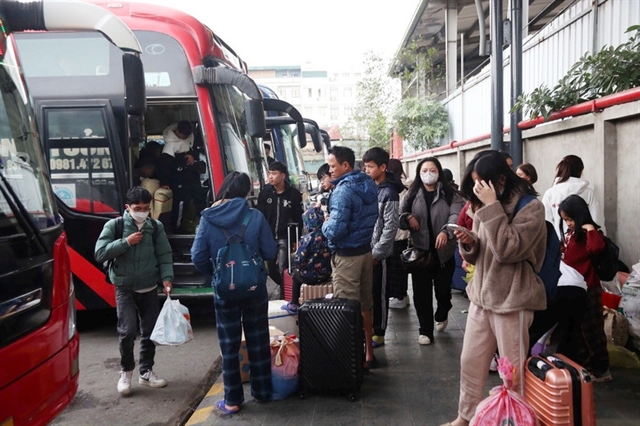
The bus was packed. People sat shoulder to shoulder, children on laps, bags in the aisles. Around her, several passengers coughed continuously. It was noisy, crowded and tiring, but this was Tết travel, and everyone accepted it as part of the tradition.
A few days after arriving, Hương developed a cough and fever. She felt tired but was breathing comfortably, playing intermittently and eating small amounts. Her mother was concerned, but it was Tết. Many clinics were closed, pharmacies had limited hours and access to health care in the countryside was difficult. Wanting to act responsibly, she took Hương to a local physician.
|
| Crowded buses and trains during Tết create ideal conditions for respiratory viruses to spread, particularly among children. — VNA/VNS Photo |
After a brief examination, the doctor prescribed antibiotics, steroids and vitamins. This is a familiar scenario in Việt Nam, particularly during holidays when diagnostics are limited and physicians feel pressure to do something. But Hương’s mother hesitated.
She was an educated woman and questioned the evidence behind the treatment. Was an antibiotic really necessary for a child with a cough and fever but no breathing difficulty? What was the diagnosis?
She decided not to start the medications. Instead, once travel resumed, she brought Hương back to the city, where Family Medical Practice (FMP) remained open 24/7 throughout Tết. There, a paediatrician examined Hương carefully and performed simple tests. The conclusion was clear: she had a viral respiratory infection.
The paediatrician explained that this was very common during Tết. When millions of people travel at the same time, gather indoors and share meals, respiratory viruses spread easily. Children, whose immune systems are still developing, are particularly affected. Most viral infections cause fever, cough and fatigue, but improve with rest, fluids and time.
Antibiotics, the paediatrician explained, do not work against viruses. They offer no benefit in such infections and can cause side effects like diarrhoea, allergic reactions or rashes. More importantly, unnecessary antibiotic use contributes to a much larger problem: antibiotic resistance.
Việt Nam is one of the countries most affected by antimicrobial resistance. In the community, antibiotics are frequently overused, purchased directly from pharmacies without prescription, or prescribed in private clinics with limited access to diagnostic tests. This constant exposure selects for resistant bacteria.
Many community acquired bacterial infections, including urinary tract infections, are caused by bacteria that are resistant to all oral antibiotics and need IV treatment. In hospitals, doctors increasingly face bacteria that are resistant to many, sometimes all, available antibiotics. These 'superbugs' cause hospital-acquired infections that are difficult and sometimes impossible to treat, resulting in a high rate of mortality.
Hương recovered well within a few days with supportive care only. Her story, however, reflects a much broader issue that becomes especially visible during Tết.
The holiday brings joy, family connection and cultural richness, but it also disrupts routines. Health care access may be reduced, diets change, sleep is irregular, travel is exhausting and infections spread more easily. Digestive discomfort, fevers, respiratory infections and minor injuries are all more common during this period, especially in children.
For parents, the key is balance and awareness. Not every fever needs antibiotics. Not every cough requires medication. Knowing where reliable health care is available during Tết, seeking proper assessment and understanding when treatment is truly needed can prevent harm at both the individual and societal level.
Tết should be a time of celebration, not unnecessary medication. Hương’s experience reminds us that being aware of risks, seeking good evidence-based health care with access to diagnostics and the ability to prescribe wisely, as well as an understanding of the bigger picture, is essential to both personal health and preserving our medication assets for the future. — Family Medical Practice

|
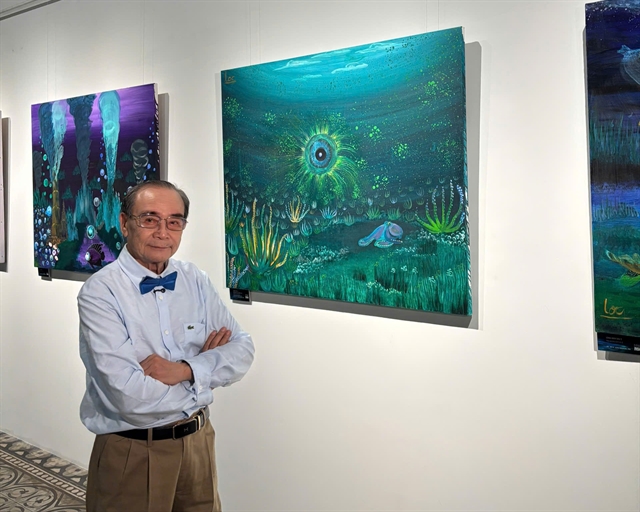
| Dr Mattias Larsson. — Photo courtesy of Family Medical Practice |
*Dr Mattias Larsson is Medical Director and Paediatrician at FMP Hanoi and an Associate Professor at Karolinska Institute, and has a long experience in research on infectious diseases. He has worked with the Oxford University Clinical Research Unit and the Ministry of Health of Việt Nam. He is fluent in English, Swedish, Vietnamese, German and some Spanish.
FMP Healthcare Group operates medical centres in major cities including HCM City, Hà Nội and Đà Nẵng, offering consultations with international doctors, check-up centres and emergency ambulance services.
Visit FMP Hà Nội 24/7 at 298I Kim Mã Street, Ngọc Hà Ward, Hà Nội.
To book an appointment, please call us at (024).3843.0784, or contact us via WhatsApp, Viber or Zalo on +84.944.43.1919 or email hanoi@vietnammedicalpractice.com.
Life & Style
 Life & Style
 Life & Style
 Life & Style
 Life & Style
 Life & Style
 Life & Style
 Life & Style
 Life & Style
 Life & Style
 Life & Style
 Life & Style
 Life & Style
 Life & Style
 Life & Style