 Environment
SBV to curb property price inflation, enforce lending rate rules
1.
 |
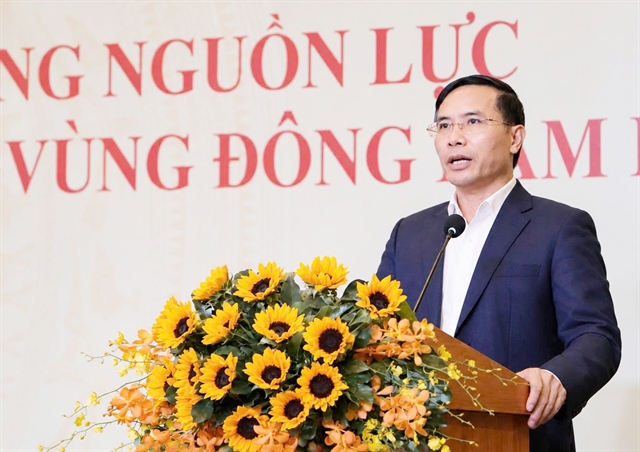
| Dr. Tăng Thế Cường, Director General of the Department of Environment under the Ministry of Agriculture and Environment. — VNA/VNS Photos |
Protecting the environment is not only an urgent necessity in the face of climate change, pollution and resource depletion, but also a prerequisite for achieving rapid, sustainable development in the new era.
Speaking to a VietnamPlus online newspaper on World Environment Day 2026, Dr Tăng Thế Cường, Director General of the Department of Environment under the Ministry of Agriculture and Environment, emphasised that strengthening institutions and policies, modernising environmental governance through data, science and technology, and mobilising the whole of society will be key to building a green, prosperous Việt Nam.
After more than five years of implementing the 2020 Law on Environmental Protection, what progress has been made and what gaps remain?
The law has modernised environmental management toward international norms, advanced the green transition and strengthened pollution control, waste management and nature conservation. Municipal solid-waste collection and treatment rates have risen, and protected areas have expanded. Many localities and businesses are piloting green growth and circular-economy models.
Major gaps still persist: slow air-quality improvements in Hà Nội and HCM City; unresolved river‑basin, craft‑village and plastic pollution; ongoing ecosystem degradation and biodiversity loss; weak environmental infrastructure; fragmented, unconnected data; a slow green transition; and limited uptake of green lifestyles.
Causes include uneven awareness among officials, citizens and firms, some rules misaligned with enforcement capacity, weak execution and constrained resources.
As the green transition becomes essential, what opportunities and challenges does Việt Nam face?
Opportunities stem from strong political will, broadening public–private consensus, digital transformation, and advances in science and technology, alongside international cooperation that opens access to finance and green technologies, supporting competitiveness and growth of green, circular and low‑carbon sectors. Challenges include resource and energy pressures from high growth, rising waste and emissions, limited funding for pollution control, ecosystem restoration, infrastructure and adaptation, increased demand for land and water, persistent biodiversity loss, complex local pollution and clearer climate impacts such as extreme weather and sea‑level rise.
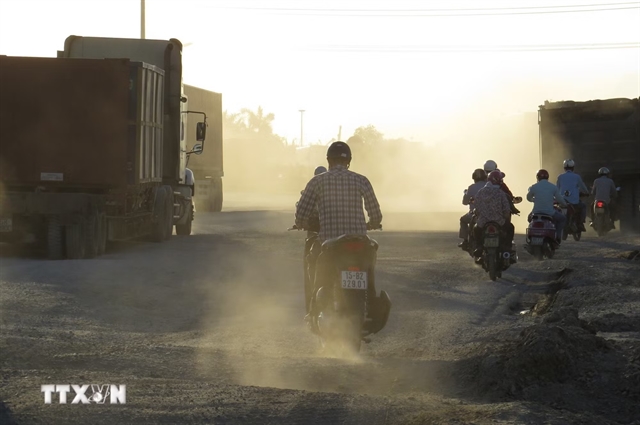 |
| Air pollution persists in major cities, particularly Hà Nội and HCM City. |
What solutions will the Department of Environment propose to remove bottlenecks and seize these opportunities?
The ministry is reviewing Resolution 24/NQ‑TW and drafting a new Central Committee resolution on environmental protection and climate response. The department is proposing amendments to the Environmental Protection Law to fix practical gaps, shift from prior approval to stronger post‑approval oversight, and move from administrative control to data‑driven, modern governance. Priorities include tackling pollution hotspots (urban air, major river basins), accelerating advanced technology and digital adoption, and building an integrated national environmental database.
The department will develop a high‑quality workforce skilled in new technologies, big data and AI, and deepen domestic and international cooperation to access best practices and modern solutions. Greater resources and whole‑of‑society engagement are essential to place environmental protection at the center of development.
What message do you have for authorities, businesses and citizens on World Environment Day 2026?
The theme 'A global call to act together for climate' requires action from governments, businesses and individuals. Authorities must embed environmental protection and climate response at the heart of planning and decision‑making.
Businesses should invest in cleaner technology, resource efficiency and emission reductions to remain competitive. Citizens should adopt sustainable consumption and daily habits. Environmental protection is a shared responsibility. With collective effort, Việt Nam can build an ecological civilization and a greener, more sustainable future. — VNS
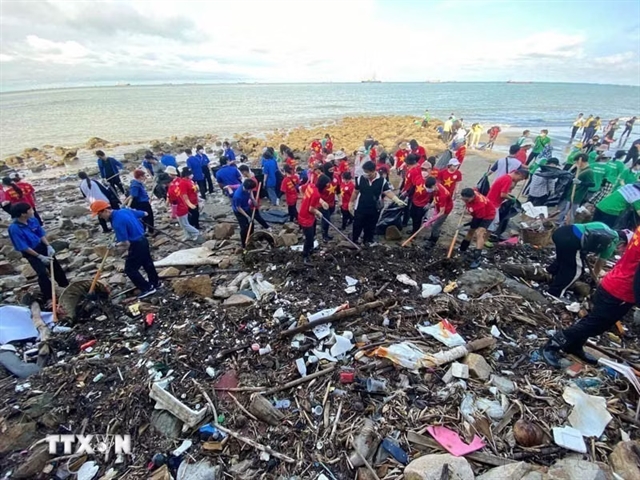 |
| Volunteers collect waste along the beach in Vũng Tàu. |
Environment
 Environment
 Environment
 Environment
 Environment
 Environment
 Environment
 Environment
 Environment
 Environment
 Environment
 Environment
 Environment
 Environment
 Environment