 Environment

Arts festival gives young people stage to tell their stories
1.
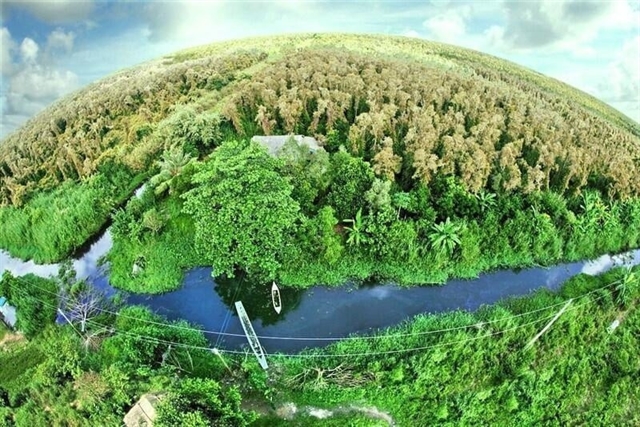 |
| Remote sensing technology used to monitor and verify forest carbon credits in Việt Nam. — Photo courtesy of Department of National Remote Sensing |
HÀ NỘI — The development of a forest carbon market is opening up significant opportunities for Việt Nam’s forestry sector to mobilise new financial resources for forest protection and development, while creating sustainable livelihoods for local communities, particularly in ethnic minority areas.
Initial outcomes from the forest carbon payment mechanism highlight the sector’s strong potential to align forest conservation with economic benefits and sustainable development goals.
According to Phạm Hồng Lượng, Deputy Director of the Vietnam Administration of Forestry and Forest Protection under the Ministry of Agriculture and Environment, the implementation of forest carbon payments through the Emission Reductions Payment Agreement (ERPA) for the north central region has generated tangible socio-economic and environmental impacts.
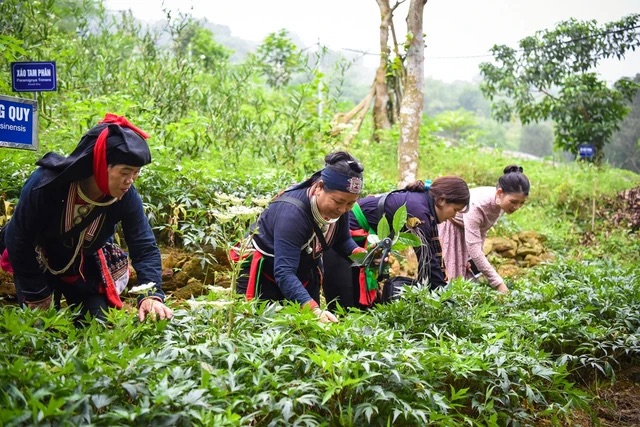
Việt Nam has received US$56.5 million under the programme, which has directly supported more than 77,700 households and nearly 2,000 communities engaged in forest protection activities, including over 40,000 ethnic minority beneficiaries.
Money earned from forest carbon has boosted local livelihoods and been funnelled into rural infrastructure, improving living standards and empowering communities in managing forests. As people see direct benefits from keeping forest cover, their sense of responsibility for forest resources has grown, helping cut down on forestry law violations.
According to Lượng, the programme has also helped protect more than 2.15 million hectares of natural forest in the region, maintaining forest coverage at around 57 per cent. These achievements are significant not only for biodiversity conservation and environmental protection, but also for enhancing forest governance amid increasingly complex climate change challenges.
Recognising the vast potential of the forest carbon market, the forestry sector is rolling out comprehensive measures to manage and effectively leverage this resource. Completing the legal framework is a priority, drafting a decree on forest carbon absorption and sequestration services and the national forest carbon standards. These steps are essential to ensuring transparent measurement, management and trading of forest carbon credits in line with international practices.
In parallel, the sector is investing in technical infrastructure to support forest carbon management. This includes establishing a national Measurement, Reporting and Verification (MRV) system, as well as developing a registry and management platform for forest carbon credits. Modern technologies such as geographic information systems, satellite imagery and forest carbon monitoring platforms are being deployed to track forest changes and accurately record emission reduction outcomes.
Such synchronised technical infrastructure will enhance the credibility of Vietnamese forest carbon credits and facilitate participation in both domestic and international carbon markets. Beyond pilot initiatives, Việt Nam is steadily moving toward structured, high-quality participation in the global carbon market. Efforts are underway to upgrade forest carbon credit standards in line with international benchmarks. At the same time, the country is strengthening its MRV and carbon registry systems to ensure transparency and traceability.
As Việt Nam has committed to achieving net-zero emissions by 2050, the forest carbon market is to become a key instrument for mobilising domestic and international resources for forest protection. With promising initial results and systematic preparations, the forest carbon market is gradually establishing itself as a vital financing channel, laying the foundation for a modern, efficient and sustainable forestry sector. — VNA/VNS
Environment
 Environment
 Environment
 Environment
 Environment
 Environment
 Environment
 Environment
 Environment
 Environment
 Environment
 Environment
 Environment
 Environment
 Environment