 Environment

Shorter Trips, Familiar Ways to Pay: How Airpaz Supports Flexible Booking with 100+ Payment Methods
1.
|
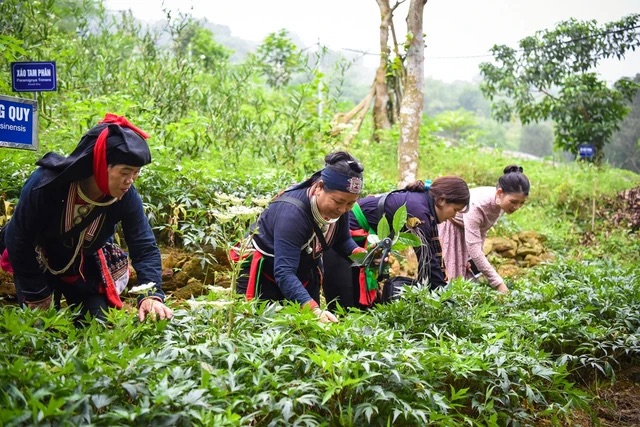
| People pick medicinal plants in Việt Nam. — VNA/VNS Photo |
HÀ NỘI — Việt Nam is strengthening conservation activities for its rare or endangered species, especially medicinal and aromatic plants with high medical and economic value, as part of World Wildlife Day, according to the Ministry of Agriculture and Environment.
World Wildlife Day on March 3 will be celebrated under the theme of 'Medicinal and Aromatic Plants: Conserving Health, Heritage and Livelihoods'.
Amid increasing demand for medicinal plants, many wild species are facing pressure from overexploitation and habitat degradation, making conservation and sustainable use an urgent requirement.
Ministries, sectors and localities are focusing on reviewing and updating the list of endangered species and strengthening control over the illegal exploitation, transportation and trade of wild plants and animals.
Forest management and protection of natural habitats are being promoted, combined with ecosystem restoration and the development of nature reserves.
Simultaneously, Việt Nam is working to promote the sustainable cultivation and development of medicinal plant areas, applying science and technology in breeding, genetic resource conservation and product traceability.
In parallel, the promotion of indigenous knowledge in the use and conservation of medicinal plants is also emphasised, aiming to link biodiversity conservation with the livelihoods of local communities, especially in mountainous areas and ethnic minority regions.
The widespread dissemination of information and awareness campaigns on the value of medicinal and aromatic plants, as well as related legal regulations, are being implemented.
Through these efforts, Việt Nam is upholding its commitment to biodiversity conservation, contributing to the achievement of sustainable development goals while ensuring harmony between nature conservation and socio-economic development.
World Wildlife Day holds significance as the day that the Convention on International Trade in Endangered Species of Wild Fauna and Flora was signed in 1973.
Medicinal and aromatic plants (MAPs) are essential for both human health and ecological balance.
Around the world, people collect and use MAPs for treating and preventing illnesses.
The World Health Organization recognises their significance, particularly in developing countries, where 70-95 per cent of the population relies on traditional medicine for primary health care.
MAPs also play a crucial role in supporting ecosystems by stabilising soils, promoting biodiversity and providing essential resources for pollinators like bees and hummingbirds.
However, many of these valuable species face growing threats from habitat destruction, overharvesting and illegal trade, making their conservation a global priority.
MAP cultivation and harvest practices secure vital resources for many households around the world, with one in five people relying on wild plants, algae and fungi for their food and income.
MAPs can play a vital role in livelihood diversification for marginalised populations living in remote areas and serve as an important factor in the source countries' local economies. It is also critical to ensure equitable access to benefit-sharing for these local communities in the countries of origin.
Raising awareness, strengthening regulations and ensuring the sustainability of harvesting and trade are essential for these invaluable plant resources to survive in the wild.
The global celebration of World Wildlife Day 2026 will take place through in-person activities and online, aiming to celebrate conservation efforts and strengthen knowledge and awareness.
Against the backdrop of a growing biodiversity crisis and climate change, the theme of World Wildlife Day sends a clear message that human health is inseparable from the health of ecosystems.
Conserving medicinal and aromatic plants means protecting essential resources, preserving cultural heritage, maintaining sustainable livelihoods and ensuring benefits for future generations. — VNS
Environment
 Environment
 Environment
 Environment
 Environment
 Environment
 Environment
 Environment
 Environment
 Environment
 Environment
 Environment
 Environment
.jpg) Environment
Environment
 Environment