 Features

LANDMARK Launches ‘Destination CENTRAL’: A District-Wide Invitation to Explore the Dynamism, Luxury, and Soul of Central
1.
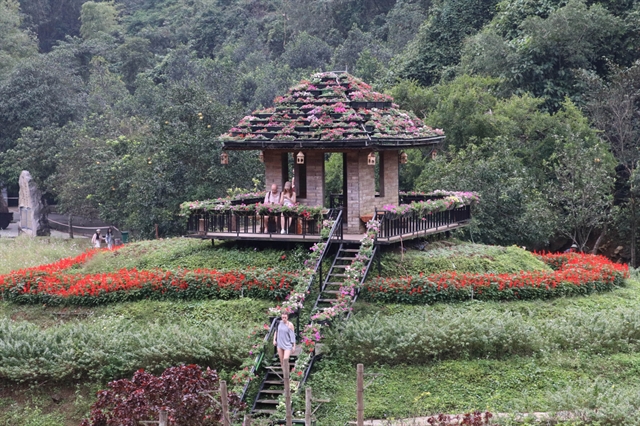 |
| Seasonal blooms create a vibrant landscape at Thung Nham. — VNA/VNS Photo |
Thanh Nga and Thùy Dung
At the edge of limestone karsts and whispering mangrove forests in Ninh Bình, Thung Nham’s Four-Season Flower Island opens like a living watercolour — petals drifting across hills and valleys, scent rising from the earth as colour follows the quiet rhythm of water and stone.
It is not merely a display of horticultural skill but a softer kind of architecture with flowers placed to follow ridges, slope into valleys, and mirror the rhythm of lakes.
Established in 2018 as a land-reclamation and regeneration project, Thung Nham Flower Island, some 100 kilometres from central Hà Nội, has evolved into a year-round sanctuary where colour and conservation coexist.
Rather than imposing rigid, seasonal beds on the terrain, planners designed the island to respect the hills and waterways. The flowers rise and cascade according to the site’s natural lines, creating a serene, low-key spectacle that rewards slow wandering rather than photo-hunting.
About 30 varieties now thrive here, chosen and arranged to keep joy unfurling throughout the year. Spring offers bougainvillea and the explosive colour of firecracker flowers; summer brings fields of sunflowers that turn their golden faces to the light; autumn and winter are softened by daisies, buckwheat blooms, mustard yellows, and delicate peonies.
Interspersed among these seasonal stars are roses, periwinkle, and portulaca grandiflora, blooming regardless of the calendar, ensuring the island is rarely anything less than vibrant. On holidays and weekends, the place hums with visitors, yet it retains a gentle, restorative atmosphere, offering an escape from the city’s clamour.
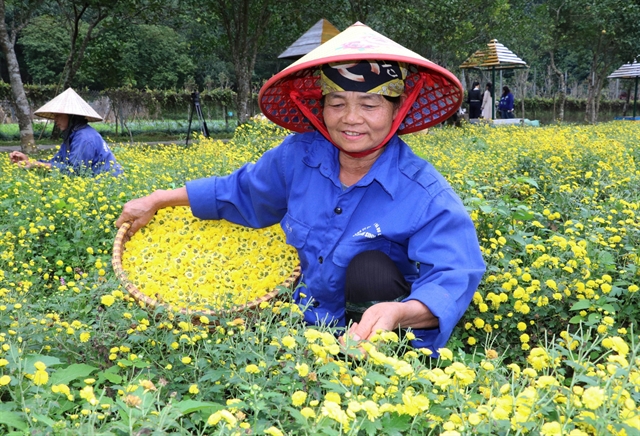 |
| Some flowers are harvested and processed into culinary products, enriching Ninh Bình’s ecotourism identity. |
Visitors often describe Thung Nham’s flower island as more than a photo backdrop.
Hà Nội tourist Đinh Mai Oanh recalls the “winding paths between colourful beds” and how the experience felt like slipping into a different tempo.
The design encourages slow exploration: benches tucked beneath shaded canopies, gravel paths that invite barefooted pauses, and signage that explains species and cultivation techniques.
Guests can learn how certain flowers are cared for and discover the local products made from blooms grown on-site.
Flowers to value
That connection between beauty and livelihood is intentional. Thung Nham is careful to translate floral abundance into sustainable economic value without undermining environmental integrity.
Flower-based products such as herbal teas, essential oils and handicrafts are developed on-site, giving travellers a way to take home a piece of the island’s essence while supporting a circular local economy.
The most celebrated example is Sơn Kim Cúc tea, a floral infusion processed from island-harvested blooms. Certified food-safe, it exemplifies how agricultural production can be elevated into a distinctive eco-tourism offering that benefits both producers and visitors.
“Flowers do more than decorate,” says staff member Vũ Văn Chẩm. “They shape the ecological landscape, enhance the visitor experience, and add real value when transformed into products.”
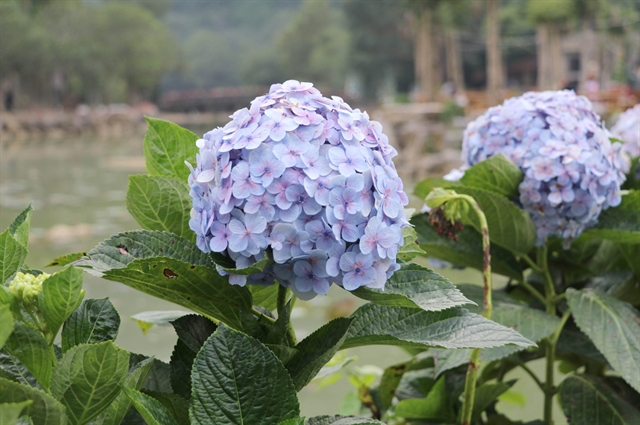 |
| Hydrangeas bloom at Thung Nham Eco-tourism Area. |
Sustainable bloom
Sustainability here is practical and painstaking. The entire flower programme rests on organic, low-impact practices. Chemical inputs are minimised; composted organic fertiliser, water-saving irrigation techniques, and biological pest controls are the norm.
Importantly, planting schedules follow the plants’ natural rhythms rather than chasing fleeting trends, creating a cohesive, durable aesthetic and reducing resource stress.
Agricultural engineer Nguyễn Công Bình highlights another distinctive element: nearly all propagation and care are done in the resort’s own nursery by hand.
“We respect the flowers’ natural cycles,” Bình explains. “That approach creates a softer beauty that lasts and keeps the ecology intact.”
The island’s layout complements Thung Nham’s broader ecological and cultural assets. Spanning more than 300ha, the ecotourism area includes two central flower hills divided into six terraces, each showcasing a different species, and expanding gardens that stitch colour across limestone outcrops, green forest and the area’s signature lakes.
This floral diversity extends visitor stays and diversifies the province’s tourism products, from photography and nature walks to hands-on workshops in flower processing.
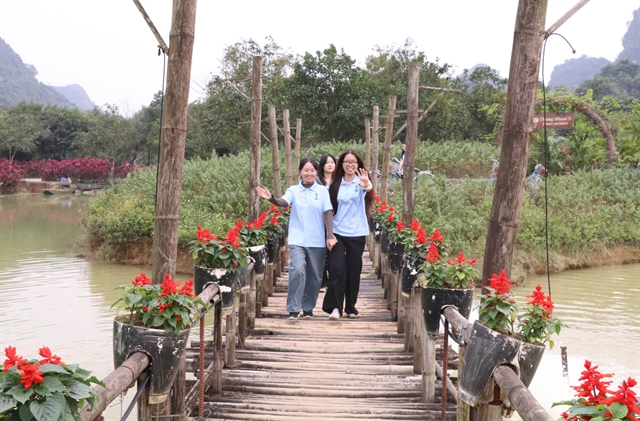 |
| Visitors walk through Four Seasons Flower Island. |
Thung Nham’s appeal doesn’t end with flowers. Nestled within the Tràng An Landscape Complex — a world-class heritage — the area is a mosaic of ancient forest, placid waterways and lush vegetation, and home to hundreds of plant and animal species.
Nearby Thung Nham Bird Garden hosts roughly 50,000 birds from more than 40 species, including the rare cranes and hornbills that enchant birdwatchers.
Visitors can also explore cave systems like Bụt, Vái Giời and Tiên Cá, all of which add geological mystery to the floral landscape.
Beyond its natural beauty, Thung Nham also meets the needs of relaxation with its system of comfortable villas, outdoor swimming pools and restaurants serving Ninh Bình’s local specialties.
Long-term, Thung Nham aims to be a model of green tourism where natural landscape, cultural value and flower-based production are mutually reinforcing.
For families, couples, photographers and anyone seeking a slower rhythm, Thung Nham offers more than a destination — it is a place where colour settles into the landscape, where scent lingers in the air, and where time, like the flowers themselves, unfolds gently back into quiet wonder. — VNS
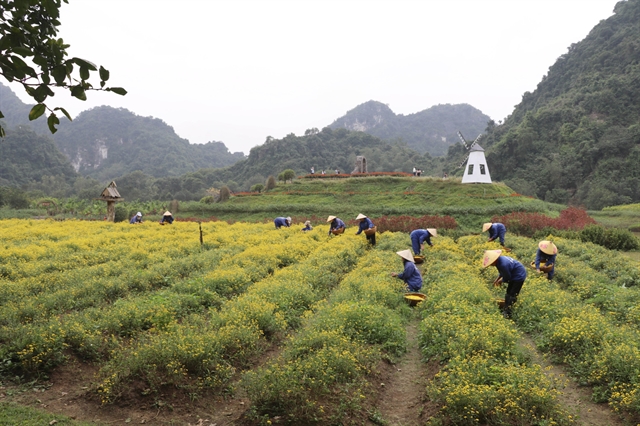 |
| Workers tend flower beds. |
Features
 Features
 Features
 Features
 Features
 Features
 Features
 Features
 Features
 Features
 Features
 Features
 Features
 Features
 Features