 Society

Sơn La launches $24 million industrial cluster project
1.
|
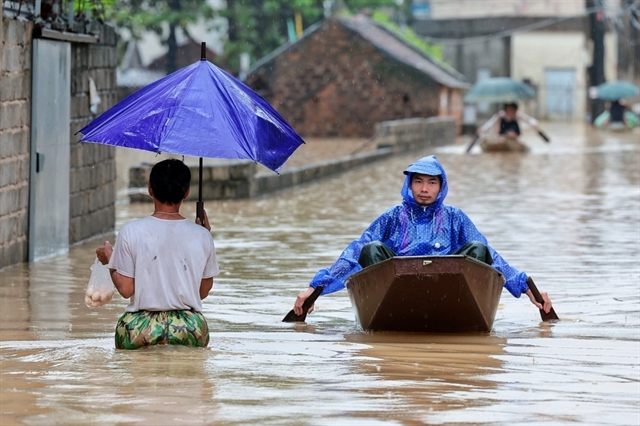
| Flooding in Hà Nội and northern provinces raises infectious disease risks. — VNA/VNS Photo |
HÀ NỘI — Prolonged heavy rain and flooding in Hà Nội and other northern provinces are increasing the risk of infectious diseases as people come into contact with contaminated water, mud and waste, a tropical disease specialist has warned.
Dr Nguyễn Quốc Phương, head of the Infection Control Department at the National Hospital for Tropical Diseases, said floodwaters could contain sewage, rubbish and animal carcasses, exposing people involved in clean-up work to various infections.
Risk depends largely on exposure to floodwater and mud. People in rural and low-lying areas with deep or prolonged flooding face greater risks, particularly those clearing mud or working in fields.
In Hà Nội, risks remain in deeply flooded areas, especially for outdoor and sanitation workers.
Leptospirosis is among the diseases associated with contaminated floodwaters. The bacteria can be present in water and mud contaminated by animal urine, particularly from rats, and can enter through cuts or abrasions.
Symptoms include fever, headache, muscle pain, especially in the calves, and fatigue. Severe cases can cause jaundice, reduced urine output and liver or kidney damage. People should avoid unnecessary contact with dirty floodwater, wear boots and gloves and cover wounds.
Whitmore disease or melioidosis, caused by the Burkholderia pseudomallei bacteria found in soil and water, is another concern during the rainy season. It can enter through wounds or be inhaled, causing prolonged fever, skin abscesses, pneumonia or sepsis.
The National Hospital for Tropical Diseases continues to treat sporadic cases during the rainy season, Dr Phương said.
Gastrointestinal infections are among the most common illnesses after flooding. Floodwater can carry sewage and disease-causing microorganisms, while food exposed to contaminated water can become unsafe.
Dysentery, typhoid, cholera and hepatitis A can cause diarrhoea, vomiting, abdominal pain and fever. People should drink safe water, eat thoroughly cooked food, discard food exposed to floodwater and wash their hands regularly.
Dr Phương warned that people should not become complacent after floodwaters recede, as the period can also see a rise in gastrointestinal diseases and dengue fever.
Stagnant water left in containers, tyres and other items can become mosquito breeding sites, increasing dengue risk in the following weeks. Residents should remove standing water, cover water tanks, wear long clothing and sleep under mosquito nets, including during the day.
People should seek medical attention for persistent or severe symptoms, particularly high fever, repeated vomiting, severe abdominal pain, bleeding, breathing difficulties or chest pain.
After wading through floodwater, people should wash and dry their hands and feet thoroughly. Wounds should be cleaned with clean water and soap, disinfected and covered. Deep or contaminated wounds, or those showing swelling, redness or discharge, should be examined by a doctor because of the risk of serious infection and tetanus. — VNS
Society
 Society
 Society
 Society
 Society
 Society
 Society
 Society
 Society
 Society
 Society
 Society
 Society
 Society
 Society